Small Intestinal Bacterial Overgrowth, commonly known as SIBO, is a condition in which excessive numbers of bacteria accumulate in the small intestine, often leading to symptoms such as bloating, abdominal discomfort, excess gas, diarrhoea, constipation, or unpredictable changes in digestion. Although antibiotics such as rifaximin remain a standard medical approach in many cases, growing attention has turned towards complementary antimicrobial compounds, including allicin, particularly where methane-dominant overgrowth is suspected.
Allicin is a naturally occurring sulphur compound produced when fresh garlic is crushed or chopped. In recent years, it has attracted interest among nutritional practitioners and integrative clinicians because of its broad antimicrobial properties and its role in certain practitioner-led SIBO support protocols. This interest is especially notable in discussions around methane-associated overgrowth, where allicin is frequently referenced as part of broader supplement strategies.
However, while allicin is widely discussed in clinical practice, it is important to distinguish practitioner use from definitive clinical proof. Research into allicin and SIBO remains an evolving field. Existing studies are promising, but the evidence base is still developing, and allicin should not be viewed as a standalone cure or substitute for proper medical diagnosis and professional guidance.
In this article, we examine what current evidence says about allicin for SIBO, how it is believed to work, and why it continues to be explored as part of evidence-informed digestive health protocols.
What Is Allicin?

Allicin is the principal bioactive compound formed when garlic cloves are crushed, chopped or otherwise damaged. It is not present in intact garlic in significant amounts. Instead, garlic naturally contains a sulphur-containing compound called alliin, which is converted into allicin when it comes into contact with the enzyme alliinase after the garlic cell walls are broken.
This chemical reaction is what gives fresh garlic its distinctive aroma and many of its widely studied biological properties. Allicin has attracted scientific interest because of its antimicrobial activity, particularly its ability to interact with thiol-containing enzymes that many microorganisms rely on for survival. This mechanism is one reason it is being explored in protocols aimed at microbial balance in the gut.
It is important to note that allicin is highly unstable. Once formed, it begins to degrade quickly, which means that not all garlic products provide meaningful levels of active allicin. Standard garlic powders, aged garlic extracts and culinary garlic supplements may differ substantially from stabilised allicin formulations used in practitioner-led protocols. For this reason, a garlic supplement is not automatically equivalent to a true allicin extract.
For people investigating digestive support strategies, this distinction matters. Raw garlic itself is high in fructans, a type of fermentable carbohydrate classified as FODMAPs. These compounds can aggravate bloating and digestive discomfort in some individuals with SIBO or IBS-type symptoms. By contrast, purified allicin extracts are typically formulated without the fermentable sugars found in whole garlic, making them a different nutritional intervention entirely.
Understanding this difference helps explain why allicin is discussed separately from garlic in SIBO conversations. The therapeutic interest lies not in garlic as a food ingredient, but in concentrated allicin as a targeted sulphur compound being studied for its antimicrobial potential.
Why Is Allicin Used in SIBO Protocols?
Allicin is included in some practitioner-led SIBO protocols because of its broad antimicrobial properties and its potential relevance in cases involving methane-dominant overgrowth. While antibiotics remain a standard medical treatment pathway, some clinicians and nutritional practitioners also explore botanical compounds where additional microbial support strategies are considered appropriate.
Interest in Herbal Antimicrobial Approaches
Interest in herbal antimicrobial protocols has grown partly because SIBO can be difficult to manage long term. Recurrence after antibiotic treatment is common, and some patients require repeated or combination approaches under clinical supervision. This has led researchers and practitioners to investigate whether certain plant-derived compounds may offer complementary benefits as part of a wider digestive health plan.
Allicin is one of the most discussed compounds in this area because laboratory studies have shown that it possesses antimicrobial activity against a wide range of microorganisms. Unlike conventional antibiotics, which are designed as pharmaceutical agents with highly specific regulatory approval pathways, allicin is studied as a naturally derived compound whose clinical application in SIBO remains an emerging field rather than an established medical standard.
Methane-Dominant Overgrowth and Allicin
Allicin is particularly associated with methane-dominant SIBO, now more precisely referred to in many clinical settings as intestinal methanogen overgrowth (IMO). In these cases, excess methane production is linked not primarily to bacteria, but to methanogenic archaea such as Methanobrevibacter smithii.
Methanogens differ biologically from bacteria, which is one reason methane-associated overgrowth can respond differently to treatment. Allicin has attracted attention because biochemical and experimental evidence suggests it may interfere with pathways important for methanogen survival, including enzyme systems involved in membrane stability. This mechanistic rationale is one reason allicin is frequently referenced in practitioner protocols aimed at methane-related digestive symptoms.
However, it is important to be precise about the evidence. While laboratory and biochemical findings are scientifically interesting, large-scale human clinical trials specifically isolating allicin as a standalone intervention for methane-dominant SIBO remain limited. Much of its current use is based on practitioner experience, mechanistic plausibility, and extrapolation from broader antimicrobial research rather than definitive human outcome data.
This is why allicin is best understood as a promising compound under active discussion in integrative digestive care, rather than a universally proven treatment for all forms of SIBO.
What Clinical Evidence Exists?
The use of allicin in SIBO discussions is supported mainly by emerging clinical and practitioner-led evidence rather than large-scale definitive trials. While interest in allicin continues to grow, the current research base is still relatively limited, and much of the available evidence involves herbal combinations rather than allicin used alone.
The Chedid et al. 2014 Study
One of the most frequently cited studies in this area is the 2014 paper by Chedid et al., published in Global Advances in Health and Medicine, titled Herbal Therapy Is Equivalent to Rifaximin for the Treatment of Small Intestinal Bacterial Overgrowth.
This retrospective study compared two groups of patients with SIBO:
- one group received rifaximin, the commonly prescribed antibiotic for SIBO;
- the other received herbal antimicrobial therapy, which included combinations of botanical ingredients used in integrative clinical practice.
Among patients who completed follow-up breath testing:
- 46% of those receiving herbal therapy had a negative follow-up breath test, compared with
- 34% of those receiving rifaximin.
These findings are notable because they suggest that herbal antimicrobial approaches may offer comparable potential in some cases. However, the study has important limitations that must be acknowledged.
Important Limitations of the Evidence
Although the Chedid study is valuable, it does not prove that allicin alone is effective for SIBO.
Key limitations include:
- the study was retrospective rather than randomised;
- participant numbers were relatively small;
- herbal protocols varied between patients;
- allicin was not isolated as a single active intervention.
This means the results reflect the potential of multi-ingredient herbal protocols as a whole, not allicin as a standalone treatment.
Human Evidence Is Still Developing
At present, there are very few large, high-quality human trials focused specifically on isolated allicin supplementation for SIBO or IMO. Much of the enthusiasm around allicin comes from:
- practitioner clinical experience,
- mechanistic antimicrobial research,
- smaller observational studies,
- extrapolation from broader garlic compound research.
That does not make the evidence invalid, but it does mean claims must remain proportionate. Current findings support further investigation rather than definitive conclusions.
What This Means in Practice
From an evidence-based perspective, allicin should currently be viewed as a promising but still developing area of SIBO research. The strongest clinical data suggest herbal antimicrobial protocols may have value, but more rigorous trials are needed before firm conclusions can be drawn about allicin alone.
For patients and practitioners alike, this underlines the importance of using allicin within properly guided, evidence-informed care rather than assuming it is a proven substitute for established medical treatment.
How Allicin Works: Proposed Mechanisms of Action
One reason allicin has attracted scientific attention in digestive health is that its antimicrobial behaviour differs from many conventional pharmaceutical agents. Rather than acting through a single narrow pathway, allicin appears to influence microorganisms through several overlapping biochemical mechanisms. These mechanisms help explain why it is being explored in SIBO-related protocols, even though direct human clinical evidence is still developing.
Interaction with Microbial Enzymes
Allicin is a sulphur-containing thiosulfinate compound. Its primary biochemical activity comes from its ability to react with thiol groups (also called sulphydryl groups) found in many microbial enzymes.
These thiol-dependent enzymes are essential for cellular metabolism and survival in a wide range of microorganisms. When allicin binds to them, it can disrupt normal enzyme function, impairing microbial activity. This broad biochemical reactivity is one reason allicin has demonstrated antimicrobial effects in laboratory settings against bacteria, fungi and certain archaea.
In the context of SIBO, this matters because excessive microbial growth in the small intestine often involves mixed populations rather than a single organism.
Broad Antimicrobial Activity
Unlike targeted antibiotics that are designed for highly specific microbial pathways, allicin has demonstrated broad-spectrum antimicrobial properties in experimental studies. Researchers believe this broader activity may make it relevant in complex microbial imbalance settings where multiple organisms may be involved.
However, broad-spectrum does not mean indiscriminate or universally effective. Allicin’s real-world impact in the human digestive tract depends on many factors, including dosage, formulation stability, microbial composition and individual gut conditions.
Potential Relevance to Methanogens
Methane-dominant overgrowth is associated with methanogenic archaea rather than conventional bacteria. Laboratory evidence suggests allicin may interfere with biochemical pathways important to methanogen survival, including enzyme systems linked to membrane synthesis.
This is one reason allicin is often discussed in methane-focused protocols. That said, much of this evidence comes from mechanistic and biochemical studies rather than direct large-scale human clinical trials in methane-dominant SIBO patients.
Biofilm Considerations
Biofilms are protective microbial layers that can make overgrowth conditions harder to manage. Some experimental research suggests allicin may interfere with biofilm formation or weaken microbial biofilm integrity under laboratory conditions.
This is scientifically relevant because biofilms may contribute to persistence and recurrence in digestive microbial imbalance. However, human SIBO-specific evidence demonstrating biofilm disruption by allicin remains limited, so this mechanism should currently be viewed as plausible but not conclusively proven in clinical practice.
Why Mechanism Does Not Equal Proof
Although these proposed mechanisms are scientifically credible and supported by laboratory data, mechanistic plausibility is not the same as clinical proof. A compound may show strong antimicrobial behaviour in vitro without producing identical outcomes in human patients.
For this reason, allicin’s mechanisms help explain why researchers and practitioners are interested in it, but they should not be interpreted as confirmation that allicin will work uniformly or predictably in every SIBO case.
Allicin vs Rifaximin: Important Differences
Allicin and rifaximin are often discussed in the same SIBO conversations, but they are fundamentally different in origin, regulation and clinical evidence base. Understanding these differences is essential for anyone evaluating evidence-based digestive health options.
Different Types of Intervention
Rifaximin is a prescription antibiotic licensed for specific medical uses and widely used in conventional SIBO treatment pathways. It has been studied in multiple clinical trials and remains one of the most established pharmaceutical options in SIBO management.
Allicin, by contrast, is a naturally derived sulphur compound extracted from garlic and used in supplement-based practitioner protocols. It is not a licensed medicine for treating SIBO, and its role is generally positioned within complementary or integrative nutritional strategies rather than mainstream pharmaceutical treatment.
Strength of Clinical Evidence
The evidence base for rifaximin is currently stronger than that for allicin.
Rifaximin benefits from:
- larger human clinical trial data sets,
- clearer dosing frameworks in medical practice,
- established prescribing protocols.
Allicin’s evidence base is promising but less developed:
- fewer high-quality human SIBO trials,
- limited standalone intervention studies,
- much evidence derived from combination herbal protocols rather than isolated allicin use.
This does not mean allicin lacks value, only that the level of scientific certainty is currently lower.
Mechanism and Clinical Use
Rifaximin works as a non-systemic antibiotic that remains largely within the gastrointestinal tract, targeting bacteria locally in the intestine. Its action is pharmaceutical, standardised and regulated.
Allicin operates differently. Its antimicrobial potential comes from biochemical sulphur interactions affecting microbial enzyme systems. Because supplement formulations vary, consistency between products may differ more than with regulated pharmaceuticals.
Practitioner Use in Real-World Settings
In practice:
- rifaximin is commonly prescribed by gastroenterologists and physicians;
- allicin is more often used by nutritional practitioners, integrative clinicians and functional medicine professionals.
In some practitioner-led settings, allicin may be discussed as part of broader antimicrobial protocols, especially where methane-dominant overgrowth is suspected. These approaches are often individualised rather than standardised.
Comparative Overview
| Factor | Allicin | Rifaximin |
|---|---|---|
| Source | Garlic-derived natural compound | Prescription antibiotic |
| Regulatory status | Food supplement ingredient | Licensed medicine |
| Evidence base | Emerging and developing | Stronger clinical trial support |
| Typical use | Complementary practitioner-led protocols | Standard medical treatment pathway |
| Standardisation | Can vary by formulation | Highly standardised pharmaceutical dosing |
Why This Comparison Matters
The comparison is not about declaring one universally better than the other. Rather, it highlights that they belong to different evidence categories.
Rifaximin remains the more clinically established option in conventional medicine. Allicin is better understood as an emerging complementary compound with growing scientific interest, but not yet equivalent in regulatory approval or evidence certainty.
For patients, the safest approach is always to evaluate these options with qualified healthcare guidance rather than self-prescribing based solely on online comparisons.
Practical Considerations Before Using Allicin
Although allicin is widely discussed in practitioner-led SIBO protocols, real-world use involves more than simply choosing a garlic-based supplement. Factors such as formulation quality, dosage variability, tolerance and professional oversight all influence how allicin is approached in clinical practice.
Product Formulation Matters
One of the most important practical points is that allicin is chemically unstable. Once formed, it degrades rapidly unless stabilised through specialised manufacturing processes.
This means:
- ordinary garlic capsules are not equivalent to stabilised allicin extracts;
- garlic powders may contain little or no active allicin;
- product quality can vary significantly between brands.
For this reason, practitioners typically distinguish carefully between general garlic supplements and formulations specifically designed to deliver active allicin.
Dosage Is Not One-Size-Fits-All
There is no universally standardised dosage for allicin in SIBO support protocols. Amounts used in practitioner settings vary depending on:
- the formulation used,
- methane versus hydrogen symptom patterns,
- combination use with other antimicrobials,
- individual tolerance levels.
Some clinical protocols use divided daily doses, but dosage decisions should always be based on qualified professional advice rather than self-experimentation.
Allicin Is Often Used in Combination Protocols
In practice, allicin is rarely used completely in isolation. Many practitioner-led protocols combine it with other complementary compounds such as:
- oregano oil,
- berberine,
- neem,
- other botanical antimicrobials.
This reflects the fact that digestive microbial imbalance is often complex and may involve mixed organisms requiring broader protocol design.
Temporary Symptom Flare-Ups Can Occur
Some individuals report temporary worsening of symptoms when starting antimicrobial protocols, sometimes referred to as “die-off” or Herxheimer-like reactions.
These may include:
- bloating,
- fatigue,
- headaches,
- temporary digestive discomfort.
While these experiences are commonly discussed in clinical practice, they are not universal, and scientific evidence explaining them in SIBO treatment remains limited. Any significant or persistent adverse symptoms should be reviewed by a healthcare professional.
Professional Testing and Diagnosis Remain Essential
Because SIBO symptoms overlap with many other digestive conditions, proper diagnosis is important before beginning any antimicrobial approach. Symptoms such as bloating, constipation or diarrhoea can also occur in:
- IBS,
- food intolerances,
- coeliac disease,
- inflammatory bowel conditions.
Breath testing is commonly used in clinical settings to assess suspected SIBO or intestinal methanogen overgrowth, helping practitioners tailor interventions more accurately.
Why Guidance Matters
Allicin may appear simple because it is naturally derived, but natural does not automatically mean risk-free or universally appropriate. The most responsible use of allicin occurs within evidence-informed guidance from qualified practitioners who can assess suitability, interactions and symptom response over time.
Safety, Side Effects and Precautions
Although allicin is naturally derived from garlic, it should not be assumed to be free from side effects or interactions. Like many biologically active compounds, allicin can affect individuals differently depending on their health status, digestive sensitivity, medication use and overall treatment plan.
Common Digestive Side Effects
Some people may experience mild gastrointestinal symptoms when using allicin-containing supplements, particularly when first introduced. These can include:
- bloating,
- nausea,
- stomach discomfort,
- changes in bowel habits,
- occasional reflux or garlic aftertaste.
These effects are often temporary, but persistent symptoms should not be ignored.
Sensitivity Reactions
Individuals with garlic sensitivity may be more likely to experience intolerance symptoms. In rare cases, allergic reactions to garlic-derived compounds may occur, including skin irritation, digestive upset or respiratory symptoms.
Anyone with a known garlic allergy should avoid allicin products unless specifically advised otherwise by a qualified healthcare professional.
Blood-Thinning Considerations
Garlic-derived compounds are known to have mild natural anticoagulant effects, which means allicin may increase bleeding risk in some circumstances.
Extra caution is advised for people who:
- take blood-thinning medication such as warfarin or anticoagulants,
- are preparing for surgery,
- have bleeding disorders.
Medical advice should always be sought before combining allicin with anticoagulant medicines.
Pregnancy and Breastfeeding
There is limited high-quality safety data regarding concentrated allicin supplementation during pregnancy and breastfeeding. Because evidence is insufficient, allicin supplements should only be used in these circumstances under professional medical guidance.
Medication Interactions
Allicin may interact with certain medications, including:
- anticoagulants,
- antiplatelet medicines,
- some blood pressure medications,
- medicines affected by liver metabolism pathways.
This is especially important where multiple supplements or prescription medicines are already being used.
Not Suitable for Self-Diagnosis or Self-Treatment
SIBO symptoms can overlap with many other gastrointestinal conditions, some of which require very different medical management. Self-prescribing allicin without proper diagnosis may delay identification of underlying causes.
Persistent digestive symptoms such as chronic bloating, abdominal pain, unexplained constipation or ongoing diarrhoea should always be medically assessed before beginning any supplement protocol.
A Balanced Safety Perspective
For many people, allicin is well tolerated when used appropriately, but it remains an active bioavailable compound rather than an ordinary food ingredient. Responsible use depends on:
- choosing high-quality formulations,
- following professional advice,
- monitoring symptoms carefully,
- reviewing potential interactions before use.
Natural origin does not remove the need for informed clinical caution.
When to Seek Professional Advice
Because symptoms associated with SIBO can overlap with many other digestive disorders, professional assessment is essential before assuming that bloating, gas or bowel irregularity are caused by bacterial overgrowth alone. Self-diagnosis based solely on symptoms can be misleading and may delay appropriate care.
Persistent Digestive Symptoms Should Not Be Ignored
If digestive symptoms continue for more than a short period, medical advice should be sought, particularly where symptoms are recurrent, worsening or affecting daily life.
These symptoms may include:
- persistent bloating after meals,
- chronic excess gas,
- ongoing constipation or diarrhoea,
- abdominal discomfort or cramping,
- unexplained food intolerances.
These complaints are not unique to SIBO and may also be linked to IBS, coeliac disease, inflammatory bowel disease, enzyme deficiencies or other gastrointestinal conditions.
Proper Testing Helps Clarify the Cause
SIBO is usually investigated using breath testing, commonly lactulose or glucose breath tests, which measure hydrogen and methane gas production after ingestion of a test substrate.
A qualified healthcare practitioner can help determine:
- whether testing is appropriate,
- how results should be interpreted,
- whether symptoms may indicate another condition instead.
Testing is particularly important before starting antimicrobial protocols, as different forms of microbial overgrowth may require different management approaches.
Professional Guidance Matters With Supplement Protocols
Allicin may be discussed as part of practitioner-led digestive protocols, but its use should ideally be guided by someone experienced in gastrointestinal health, such as:
- a gastroenterologist,
- a qualified nutritional therapist,
- an integrative healthcare practitioner,
- a GP familiar with digestive disorders.
Professional supervision helps reduce the risk of:
- inappropriate self-treatment,
- incorrect dosing,
- overlooking medication interactions,
- masking more serious underlying illness.
Seek Urgent Medical Advice If Red Flag Symptoms Appear
Immediate medical assessment should be sought if digestive symptoms are accompanied by warning signs such as:
- unexplained weight loss,
- rectal bleeding,
- severe abdominal pain,
- persistent vomiting,
- anaemia or extreme fatigue.
These symptoms require prompt medical investigation and should never be attributed to SIBO without clinical evaluation.
Why Early Advice Improves Outcomes
The earlier persistent digestive symptoms are properly assessed, the more likely it is that the true cause can be identified and managed effectively. Whether symptoms relate to SIBO, food intolerance, IBS or another gastrointestinal issue, accurate diagnosis is the foundation of safe and effective care.
Conclusion: What the Evidence Really Shows
Allicin has become an increasingly discussed compound in SIBO and intestinal methanogen overgrowth conversations because of its broad antimicrobial properties, biochemical plausibility and growing use in practitioner-led digestive health protocols. Its particular relevance in methane-dominant cases has made it a notable subject of interest among integrative clinicians and nutritional practitioners.
Current evidence suggests that allicin is promising, but not yet definitively proven as a standalone SIBO treatment. The strongest commonly cited clinical study, Chedid et al. (2014), indicates that herbal antimicrobial protocols may offer comparable potential to rifaximin in some cases, yet this research does not isolate allicin alone and cannot be interpreted as direct proof of individual efficacy.
Laboratory and mechanistic studies provide scientifically credible reasons for continued interest. Allicin’s interaction with microbial enzymes, potential relevance to methanogens, and possible biofilm effects all support further investigation. However, mechanistic promise is not the same as confirmed clinical outcome, and larger human trials are still needed.
For patients, the most balanced interpretation is this:
- allicin is an evidence-informed emerging option, not a medically established cure;
- its role is best considered within practitioner-guided protocols rather than self-prescribed treatment;
- proper diagnosis remains essential before beginning any antimicrobial strategy.
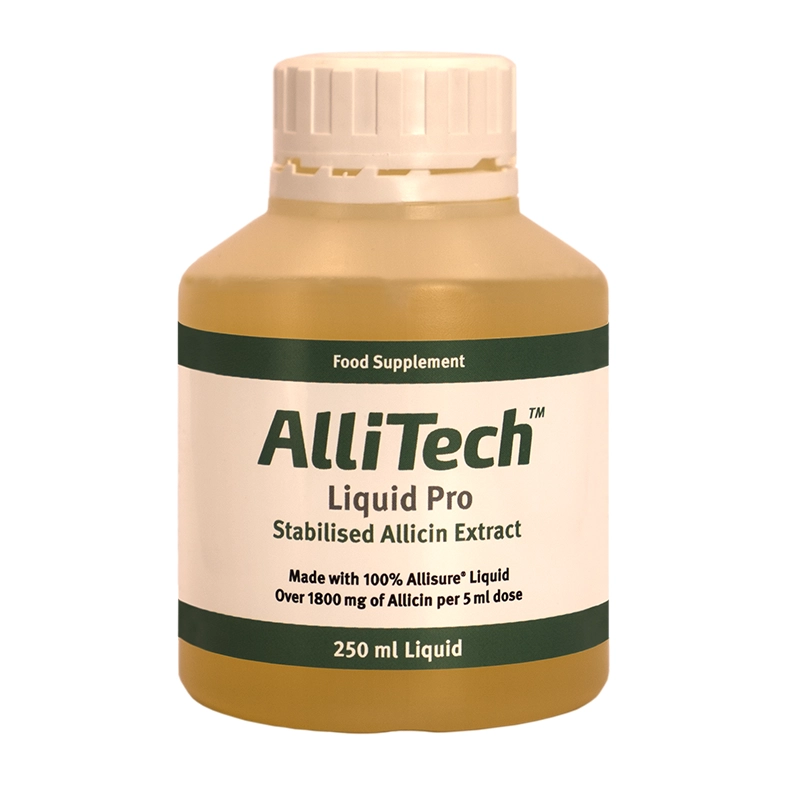
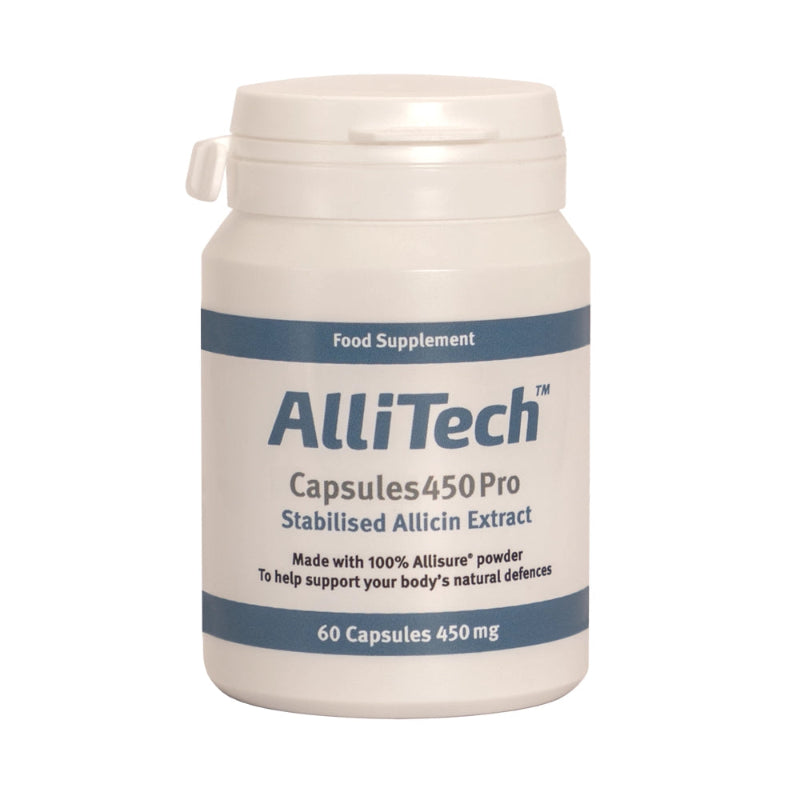
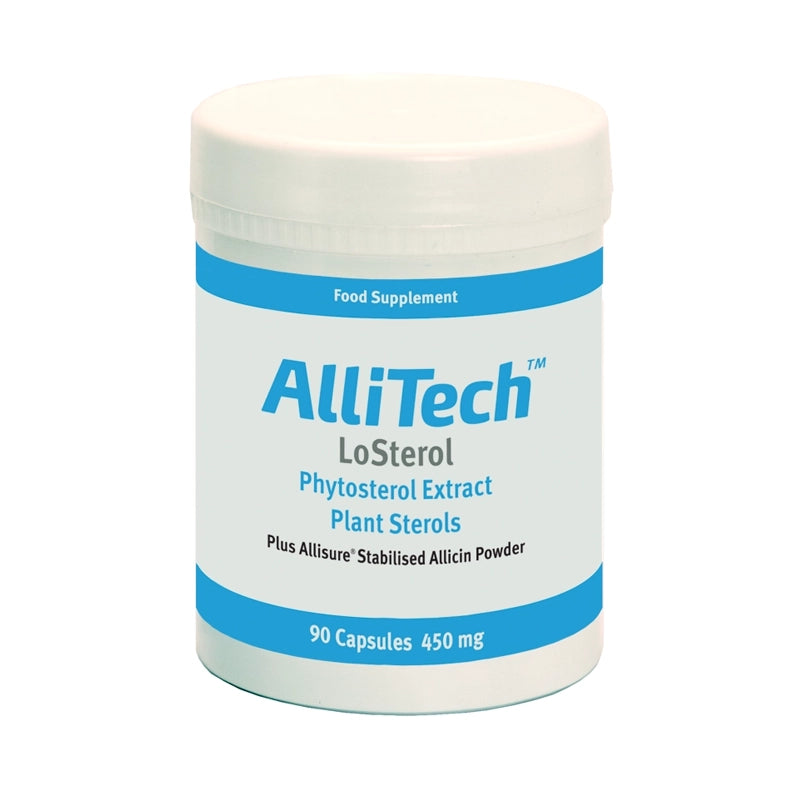
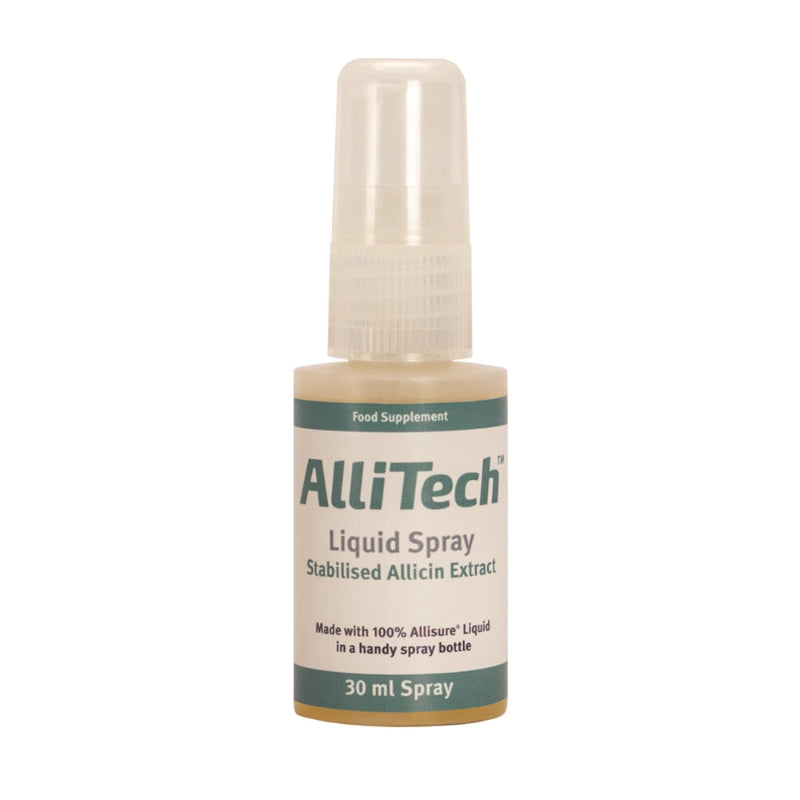
For those exploring stabilised allicin supplements, product quality and formulation matter. Dulwich Health’s AlliTech is one example of a stabilised allicin-based supplement designed to deliver allicin in a concentrated, standardised form, reflecting the type of formulation often discussed in practitioner-led digestive health protocols. As with any supplement, suitability should always be assessed in the context of individual health needs and professional advice.
As research evolves, allicin may become better defined within digestive care pathways. For now, it should be viewed as a promising complementary compound supported by developing evidence, cautious optimism and the need for continued scientific study.
Anyone considering allicin for digestive health concerns should do so with appropriate professional guidance, particularly where symptoms are persistent, unexplained or medically complex.