Garlic (Allium sativum) has been studied extensively across nutrition, microbiology, and phytochemistry due to its complex composition of sulphur-containing compounds. While commonly recognised as a culinary ingredient, garlic has also attracted scientific interest for its potential biological activity, particularly in relation to its reactive compounds formed during preparation.
Among these compounds, allicin is considered one of the most significant. Unlike many naturally occurring plant compounds, allicin is not present in intact garlic cloves. Instead, it is formed through an enzymatic reaction when garlic is cut, crushed, or otherwise disrupted. This process brings together two previously separated components: alliin (a sulphur-containing amino acid derivative) and allinase (an enzyme). When combined, they rapidly produce allicin, a highly reactive and short-lived compound.
This reactivity is central to allicin’s scientific interest. Chemically, allicin belongs to a group of compounds known as thiosulfinates, which are characterised by their ability to interact with proteins, particularly those containing sulphhydryl (thiol) groups. This property underpins much of the experimental research into how allicin may interact with biological systems, including microorganisms.
However, one of the defining challenges in studying allicin is its instability. In its natural state, allicin degrades quickly when exposed to heat, oxygen, or digestive processes. This has important implications for both research and practical application, as the amount of active allicin available in the body following garlic consumption can vary significantly.
As a result, much of the modern research into allicin focuses not only on its biological effects, but also on how it can be stabilised, standardised, and delivered in a consistent form. Various approaches have been explored to preserve allicin’s activity long enough for it to be meaningfully studied and, potentially, utilised within controlled contexts.
This article examines the current scientific understanding of allicin, focusing on its chemical behaviour, interaction with biological systems, and the evidence emerging from laboratory and early-stage clinical research. Where relevant, it also considers the practical challenges associated with bioavailability and formulation, while maintaining a clear distinction between established evidence and areas that require further investigation.
What current research suggests about allicin
Allicin is a biologically active compound derived from garlic that has shown promising antimicrobial and biochemical activity in laboratory research. However, human clinical evidence remains limited, and its effects can vary depending on stability, formulation, dosage, and delivery method. This article examines what current research suggests, while clearly distinguishing between established findings, emerging areas of interest, and questions that still require further investigation.
Chemical Properties and Mechanism of Action

Understanding allicin’s potential biological relevance requires a closer look at its chemical structure and behaviour. Unlike many stable plant-derived compounds, allicin is defined by its high reactivity, which directly influences how it interacts with biological systems.
Reactivity and Sulphur Chemistry
Allicin is classified as a thiosulfinate, a group of organosulphur compounds characterised by the presence of a reactive sulphur–oxygen bond. This structure gives allicin its ability to interact with a wide range of biological molecules, particularly proteins.
One of the most studied aspects of allicin’s chemistry is its affinity for thiol (-SH) groups, which are commonly found in enzymes and structural proteins. By reacting with these thiol groups, allicin can alter protein function. In microbial systems, this interaction has been shown in laboratory settings to interfere with key enzymatic processes required for cellular metabolism.
This non-specific reactivity is important. Rather than targeting a single pathway, allicin may influence multiple biochemical processes simultaneously, which is one reason it has attracted attention in antimicrobial research.
Cell Penetration and Biological Interaction
Due to its relatively small molecular size and chemical properties, allicin is believed to diffuse across cell membranes. This allows it to interact not only with surface structures but also with intracellular components.
Experimental studies suggest that once inside a cell, allicin may:
- Modify enzyme activity by reacting with thiol-containing proteins
- Disrupt metabolic pathways
- Influence oxidative balance within the cell
These effects have primarily been observed in in vitro (laboratory) environments, where conditions can be tightly controlled. It is important to note that biological systems in the human body are significantly more complex, and the extent to which these mechanisms translate in vivo remains an area of ongoing research.
Instability and Degradation
A defining characteristic of allicin is its chemical instability. Once formed, it begins to degrade rapidly, particularly when exposed to:
- Heat
- Oxygen
- Acidic environments, such as the stomach
This instability limits both its shelf life and its persistence within the body. As a result, the quantity of active allicin available following the consumption of raw or cooked garlic can vary widely.
From a research perspective, this presents a challenge. Variability in allicin content makes it difficult to standardise dosing and compare outcomes across studies. It also raises important questions about how much active compound is actually available to interact with biological systems after ingestion.
Implications for Bioactivity
Allicin’s mechanism of action is closely tied to this balance between high reactivity and low stability:
- Its reactivity allows it to interact with multiple biological targets
- Its instability limits how long it remains active
This dual nature helps explain why allicin demonstrates notable activity in controlled laboratory settings, while also highlighting the challenges involved in translating these findings into consistent, real-world applications.
For this reason, much of the ongoing research into allicin does not focus solely on its biological effects, but also on how its activity can be preserved and delivered in a measurable and reproducible way.
Immune System Interactions

The relationship between allicin and the immune system is an area of ongoing scientific interest, particularly in the context of how naturally derived compounds may influence host defence mechanisms. While much of the available evidence is derived from laboratory and early-stage studies, several biological pathways have been explored.
Immune Modulation Potential
Garlic contains a wide range of biologically active compounds, including sulphur-containing molecules, amino acids, vitamins, and trace minerals. Within this matrix, allicin is often studied for its potential role in modulating immune function.
Experimental research suggests that allicin may:
- Influence the activity of certain immune cells, including macrophages and lymphocytes
- Affect signalling pathways involved in the inflammatory response
- Interact with cytokine production, which plays a role in immune communication
These findings indicate that allicin may not act as a direct stimulant of the immune system, but rather as a modulator, potentially supporting the body’s ability to respond to external challenges in a regulated way.
Antioxidant and Oxidative Stress Considerations
Oxidative stress is closely linked to immune function, as the generation of reactive oxygen species (ROS) forms part of the body’s defence against pathogens. At the same time, excessive oxidative stress can contribute to cellular damage.
Allicin has been studied for its potential to:
- Interact with oxidative processes
- Influence the balance between pro-oxidant and antioxidant activity
This dual interaction is complex. In some contexts, allicin’s reactivity may contribute to oxidative effects within microbial cells, while in others it may support mechanisms that help regulate oxidative stress in host tissues. The overall impact appears to depend on factors such as concentration, environment, and biological context.
Role in Host Defence
From a mechanistic perspective, the immune system relies on a combination of:
- Physical barriers
- Cellular responses
- Chemical signalling
Allicin’s potential relevance lies in how it may interact with these systems at a biochemical level. Laboratory studies have shown that its reactivity with proteins and enzymes can influence microbial viability, which may indirectly support host defence processes.
However, it is important to distinguish between:
- Direct antimicrobial effects observed in vitro, and
- Systemic immune effects within the human body, which are more complex and less clearly defined
Current evidence does not support the view that allicin alone can replace established medical treatments. Instead, it is more appropriately considered within the broader context of nutritional and complementary approaches to supporting normal immune function.
Limitations of Current Evidence
While the mechanistic data is promising, several limitations remain:
- Much of the research has been conducted in laboratory or animal models
- Human clinical data is comparatively limited and varies in quality
- Differences in formulation and bioavailability make results difficult to standardise
As a result, further well-designed human studies are needed to better understand how allicin interacts with the immune system under real-world conditions.
What the current evidence suggests
The available evidence suggests that allicin may interact with immune-related pathways through a combination of biochemical and cellular mechanisms. Its role appears to be modulatory rather than curative, with effects that are dependent on context, dosage, and delivery.
This positions allicin as a compound of interest within ongoing research, particularly in relation to how natural substances may complement broader strategies aimed at maintaining normal immune function.
Respiratory and Infection-Related Research Areas

Research into allicin has extended into respiratory health and infection-related contexts, primarily driven by its observed activity in laboratory studies against a range of microorganisms. While interest in this area is growing, it is important to distinguish between early-stage findings, practitioner observations, and clinically validated evidence.
Upper Respiratory Applications
Some exploratory work has investigated how allicin may interact with pathogens commonly associated with upper respiratory tract infections (URIs). In laboratory settings, allicin has demonstrated activity against certain bacteria and viruses that are relevant to respiratory conditions.
In addition to laboratory research, there are case-based and practitioner-led observations where allicin-containing preparations have been used in respiratory contexts. These include approaches such as inhalation or nebulisation, where compounds are delivered directly to the respiratory tract.
Such observations suggest potential localised interactions between allicin and respiratory pathogens. However, these reports are typically:
- Small-scale
- Non-standardised
- Lacking control groups
As a result, they should be interpreted as hypothesis-generating rather than confirmatory evidence.
Infection-Related Contexts
Beyond respiratory conditions, allicin has been studied more broadly for its interaction with microorganisms associated with infection. In vitro studies indicate that allicin may:
- Interfere with microbial enzyme systems
- Affect cell membrane integrity
- Disrupt metabolic activity in certain pathogens
This has led to interest in its potential relevance in areas where antimicrobial resistance is a growing concern. Some research has explored how allicin behaves against resistant strains in controlled environments, contributing to discussions around alternative or complementary approaches.
However, translating these findings into real-world clinical outcomes presents several challenges:
- Differences between laboratory conditions and human physiology
- Variability in compound stability and delivery
- Limited large-scale human trials
Observational Evidence and Clinical Gaps
A number of anecdotal reports and observational case accounts exist describing the use of allicin-containing preparations in infection-related scenarios. These include individual responses in areas such as skin infections, gastrointestinal disturbances, and respiratory symptoms.
While these accounts can provide useful context for further research, they are not a substitute for controlled clinical data. Key limitations include:
- Lack of standardised dosing
- Absence of placebo-controlled comparisons
- Potential for reporting bias
For this reason, such observations should be clearly positioned as non-clinical evidence and not used to draw generalisable conclusions.
Limitations and Research Considerations
The current body of research highlights several important considerations:
- Delivery method matters: The effectiveness of allicin may depend heavily on how it is administered (e.g. oral vs topical vs inhalation)
- Stability remains a constraint: Rapid degradation may limit its activity before reaching target tissues
- Human evidence is limited: There is a need for well-designed, peer-reviewed clinical trials
Respiratory & Infection Research Overview
Allicin has demonstrated measurable activity in laboratory studies relevant to respiratory and infection-related contexts, and there is ongoing interest in how these findings may translate into practical applications. However, current evidence remains early-stage and heterogeneous, with a clear need for more robust human data.
At present, allicin is best understood as a compound under investigation, rather than a clinically established intervention, particularly in the context of respiratory health and infection management.
Gut Health and Microbial Balance

The human gut microbiome plays a central role in digestion, immune regulation, and overall health. It consists of a complex ecosystem of microorganisms, including bacteria, fungi, and viruses, which exist in a dynamic balance. Research into allicin has explored how its antimicrobial properties may interact with this environment, although the implications for gut health remain an area of ongoing investigation.
The Gut Microbiome: A Delicate Balance
A healthy gut microbiome is characterised by diversity and stability. Beneficial microorganisms contribute to:
- Nutrient metabolism
- Protection against pathogenic organisms
- Regulation of immune responses
Disruptions to this balance, often referred to as dysbiosis, have been associated with a range of digestive and systemic conditions.
Any compound with antimicrobial activity, including allicin, must therefore be considered in terms of how it may influence both:
- Potentially harmful microorganisms
- Beneficial microbial populations
Allicin and Microbial Interaction
Laboratory studies have shown that allicin can exert antimicrobial effects against a variety of microorganisms, including those relevant to gastrointestinal health. These effects are typically linked to its ability to:
- Interfere with microbial enzyme systems
- Disrupt cellular processes
- Alter membrane function
However, an important consideration is that allicin’s activity in vitro is generally non-selective, meaning it does not inherently distinguish between harmful and beneficial microbes.
This raises key questions around:
- How allicin behaves within the complex environment of the gut
- Whether its effects support or disrupt microbial balance over time
At present, these questions are not fully resolved in the scientific literature.
Resistance and Microbial Adaptation
One area of interest is whether compounds like allicin contribute to microbial resistance in the same way as conventional antibiotics. Some studies suggest that due to its multi-target mechanism of action, allicin may be less likely to induce resistance under laboratory conditions.
This is based on the idea that:
- Allicin interacts with multiple cellular pathways simultaneously
- Microorganisms may find it more difficult to adapt to such broad-spectrum activity
However, it is important to note that:
- Most of this evidence is derived from controlled experimental settings
- Long-term effects within the human microbiome are not yet well established
Implications for Digestive Health
From a practical perspective, the potential role of allicin in gut health is often discussed in relation to:
- Managing microbial overgrowth
- Supporting digestive balance
- Complementing broader gut health strategies
However, current evidence does not provide a clear, consistent picture of how allicin affects the gut microbiome in humans. Factors such as:
- Dosage
- Delivery method
- Individual microbiome composition
are likely to influence outcomes significantly.
Relationship to Broader Gut Health Approaches
Given the complexity of the gut microbiome, allicin is best considered within a wider framework of digestive health, which may include:
- Diet and fibre intake
- Probiotics and prebiotics
- Lifestyle factors such as stress and sleep
Some supplement strategies combine different approaches to support gut environment balance, reflecting the understanding that no single compound is likely to address all aspects of gut health.
Limitations of Current Evidence
- Limited human clinical trials specifically focused on allicin and gut microbiome outcomes
- Variability in formulations and bioavailability
- Lack of long-term studies assessing microbiome changes
Gut Health & Microbial Balance Overview
Allicin’s antimicrobial properties have led to interest in its potential interaction with the gut microbiome. While laboratory research demonstrates activity against a range of microorganisms, its effects within the human digestive system are less clearly defined.
At present, allicin should be viewed as a compound of interest within gut health research, with potential relevance that requires further investigation, particularly through well-controlled human studies.
Emerging Areas of Research
Beyond its established biochemical and antimicrobial properties, allicin is increasingly being explored in a number of emerging research areas. These fields remain largely experimental, with findings primarily derived from laboratory studies, early-stage investigations, and theoretical models rather than large-scale clinical trials.
Viral Research and Host Interaction
Allicin has been studied for its potential interaction with viruses, particularly in laboratory environments. Research suggests that its reactive sulphur groups may interfere with viral processes by:
- Modifying viral proteins
- Disrupting replication mechanisms
- Affecting host–virus interactions at a cellular level
These findings have led to interest in allicin’s relevance in viral research contexts, including common viruses such as herpes simplex virus type 1 (HSV-1).
Some preliminary studies have explored associations between HSV-1 and broader health outcomes, including neurological conditions. Within this context, allicin’s antiviral activity has been investigated as a potential area of interest. However, it is important to emphasise that:
- These links are still under investigation
- No causal conclusions have been established
- Clinical applications remain unproven
Neurological and Cognitive Research Context
A growing body of research is examining the relationship between chronic infections, inflammation, and neurological health. This includes exploration of how certain pathogens may contribute to long-term neurodegenerative processes.
Allicin has been studied in this context due to its:
- Antimicrobial properties
- Potential interaction with oxidative stress pathways
- Influence on inflammatory signalling
However, current evidence is largely limited to:
- Preclinical studies
- Indirect associations
There is currently no robust clinical evidence to support the use of allicin in the prevention or management of neurological conditions. Its relevance in this area remains theoretical and requires significantly more research.
Biofilm and Persistent Infection Research
Another emerging area involves biofilms, which are structured communities of microorganisms that can adhere to surfaces and exhibit increased resistance to treatment.
Laboratory studies have investigated whether allicin may:
- Disrupt biofilm formation
- Interfere with microbial communication systems (quorum sensing)
- Enhance susceptibility of microorganisms to external interventions
This has implications for understanding persistent or recurrent infections. However:
- Evidence is primarily in vitro
- Real-world applicability is not yet established
Inflammation and Cellular Signalling
Allicin has also been studied for its interaction with cellular signalling pathways, particularly those involved in inflammation and oxidative stress.
Research suggests it may influence:
- Redox balance within cells
- Expression of certain inflammatory mediators
- Cellular stress responses
These areas are of interest because chronic inflammation is associated with a wide range of health conditions. However, as with other emerging areas:
- Findings are preliminary
- Dose-response relationships are not well defined
- Human clinical validation is limited
Key Research Limitations
Across all emerging areas, several consistent limitations apply:
- Heavy reliance on laboratory and preclinical studies
- Lack of standardisation in allicin formulations and dosing
- Limited number of large-scale, peer-reviewed human trials
- Variability in study design and outcomes
Emerging Research Overview
Emerging research into allicin spans a wide range of fields, including viral interactions, neurological health, biofilm disruption, and inflammatory processes. While these areas highlight the compound’s biochemical versatility, the current evidence base remains early-stage and exploratory.
Allicin’s role in these contexts should therefore be understood as part of ongoing scientific investigation, rather than as an established intervention.
Bioavailability and Delivery Formats
One of the most significant challenges in allicin research is not its biological activity, but its bioavailability. Due to its instability and reactivity, the amount of active allicin that reaches systemic circulation can vary considerably depending on how it is produced, processed, and delivered.
Challenges with Natural Garlic Consumption
Although garlic is the primary dietary source of allicin, the actual amount of active compound available to the body is difficult to predict.
Several factors influence this:
- Formation variability: Allicin is only produced when garlic is disrupted (e.g. chopped or crushed), and the yield depends on preparation methods
- Rapid degradation: Allicin begins to break down almost immediately after formation
- Sensitivity to heat: Cooking can significantly reduce allicin formation
- Gastric conditions: The acidic environment of the stomach may further degrade active compounds before absorption
As a result, consuming garlic does not necessarily equate to consistent or measurable allicin exposure.
Limitations of Standard Garlic Supplements
Many garlic-based supplements are standardised to compounds such as alliin rather than allicin itself. While these may still have nutritional value, they rely on the body’s ability to convert precursors into active allicin.
In practice, this conversion may be limited by:
- Enzyme degradation during processing
- Inactivation of allinase in the digestive tract
- Variability in individual digestive conditions
This has led to concerns that some conventional garlic supplements may deliver little to no active allicin in vivo, despite containing garlic-derived ingredients.
Stabilised Allicin Approaches
To address these challenges, some formulations have been developed with the aim of delivering stabilised allicin in a more consistent form.
These approaches typically focus on:
- Preserving allicin during production and storage
- Protecting it from premature degradation
- Delivering a measurable and standardised dose
Stabilisation technologies vary, and the effectiveness of these methods depends on factors such as formulation, storage conditions, and delivery mechanism.
Delivery Formats and Use Cases
Allicin-containing products are available in several formats, each with different practical considerations:
Liquid Formulations
- Often designed for flexible dosing
- May allow for higher concentrations of active compounds
- Can be used in different ways depending on formulation
Capsules
- Provide a more convenient and odour-controlled option
- Typically used for routine supplementation
- May offer more consistent dosing compared to raw garlic
Topical Applications (e.g. gels or sprays)
- Designed for localised use on the skin or specific areas
- Bypass digestive degradation
- May be relevant for surface-level applications
Each format has implications for:
- Absorption
- Targeted delivery
- User compliance
Example of Stabilised Allicin Formulations
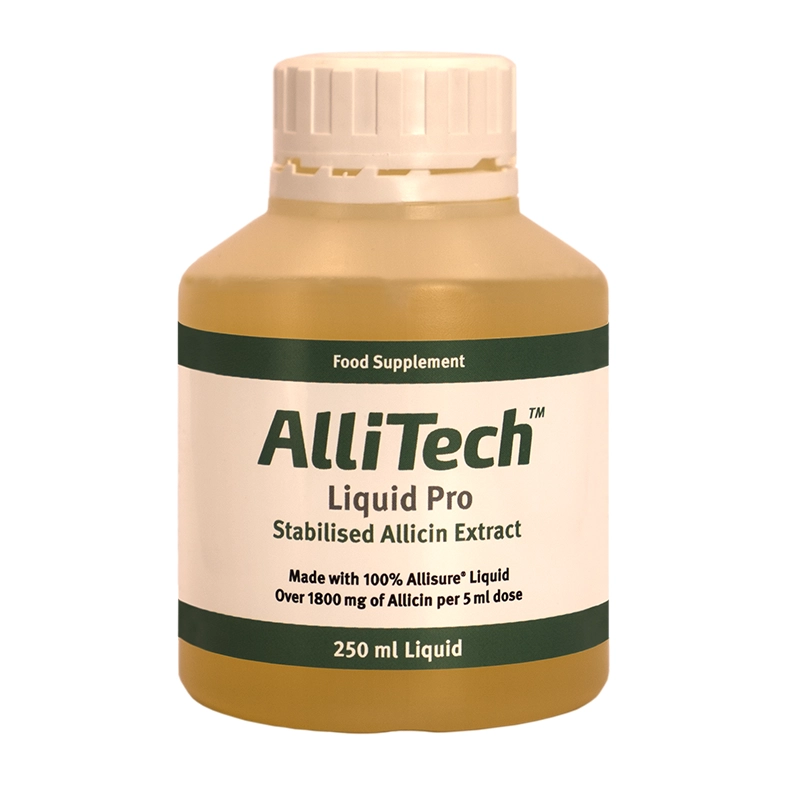
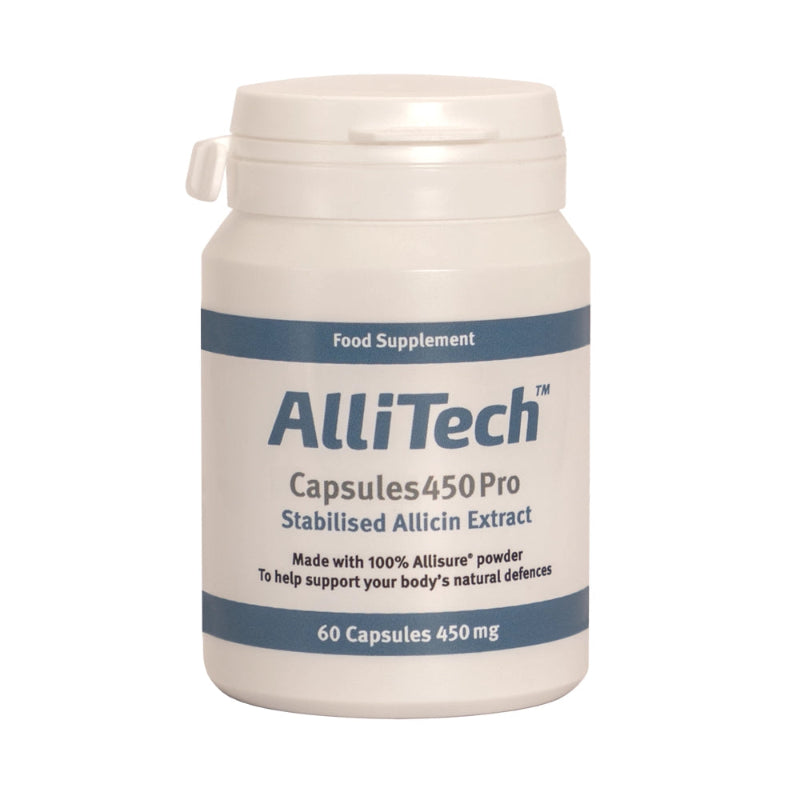
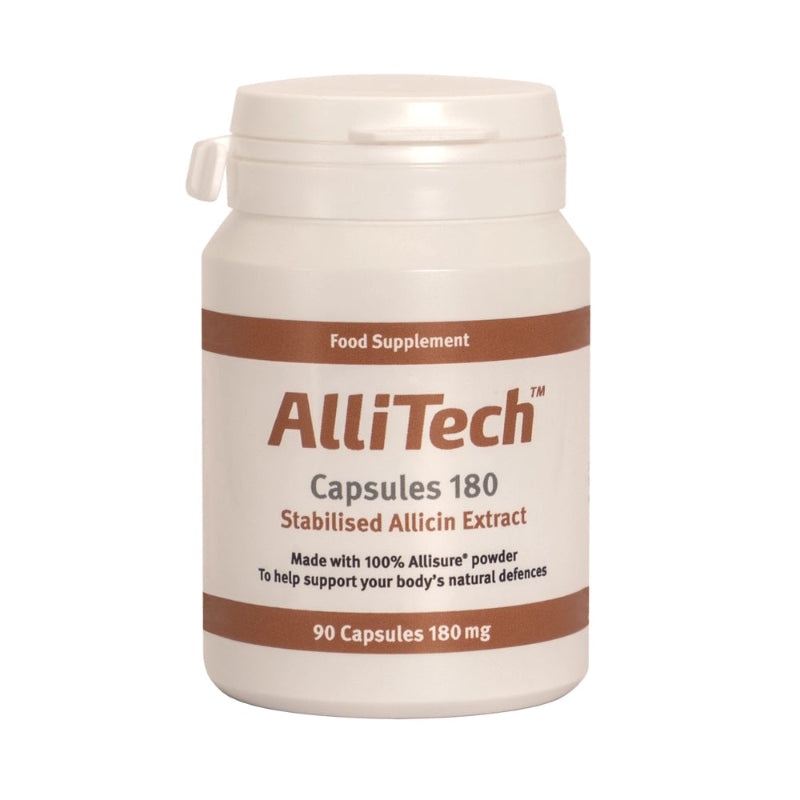
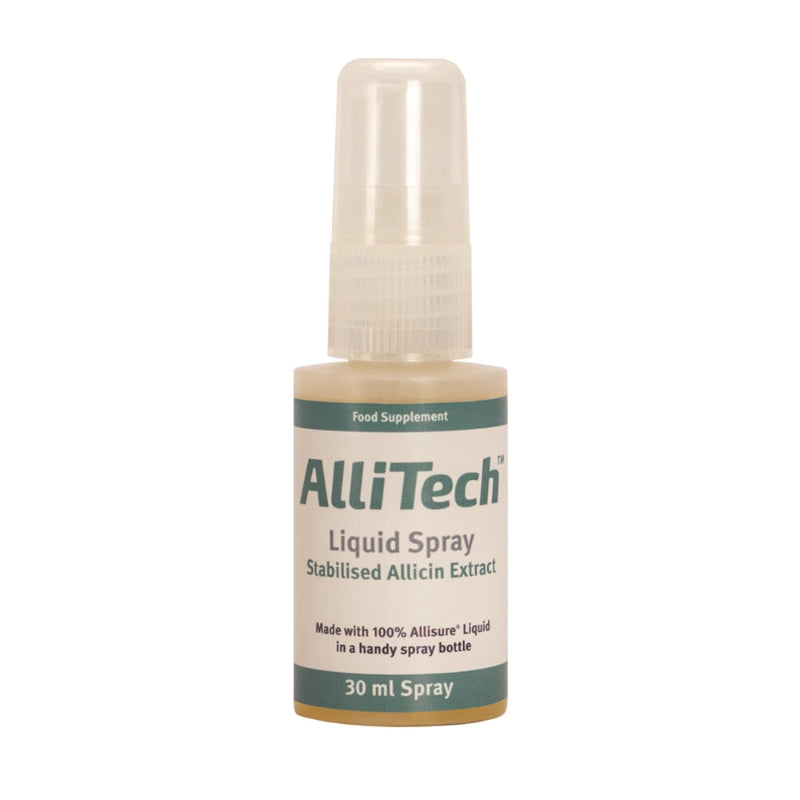
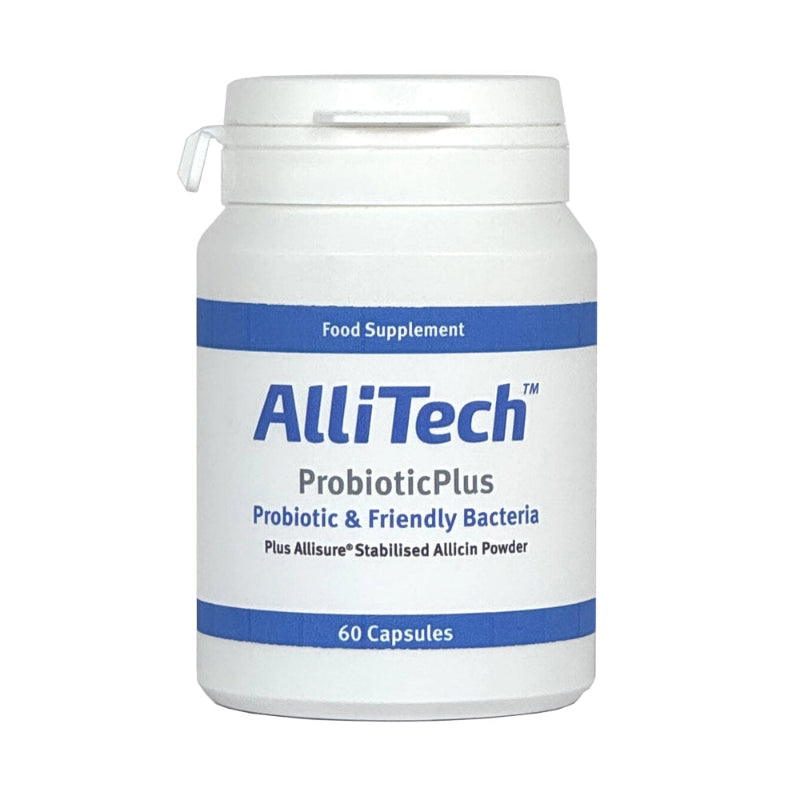
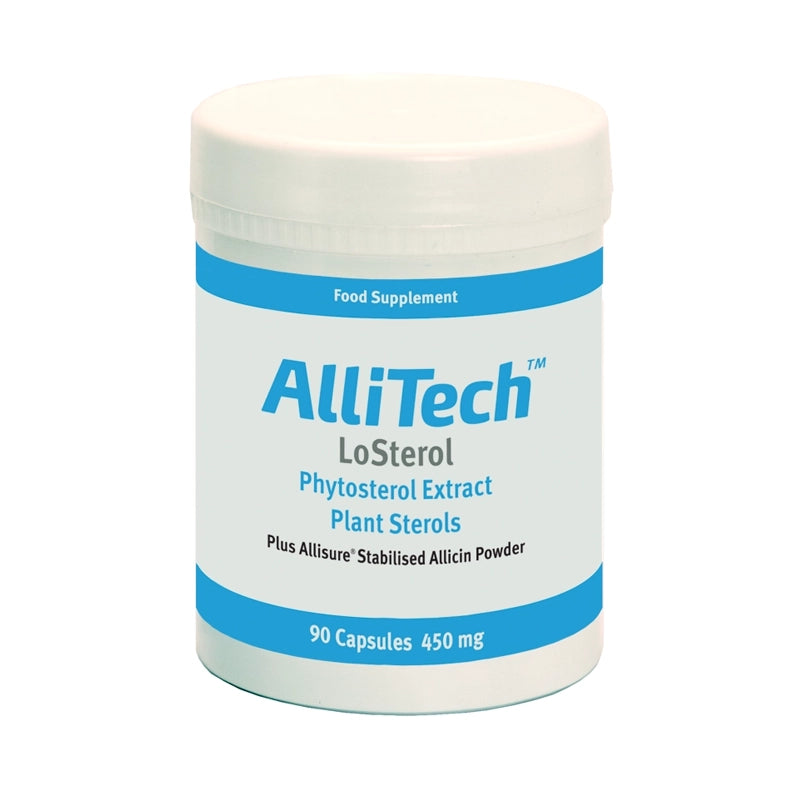
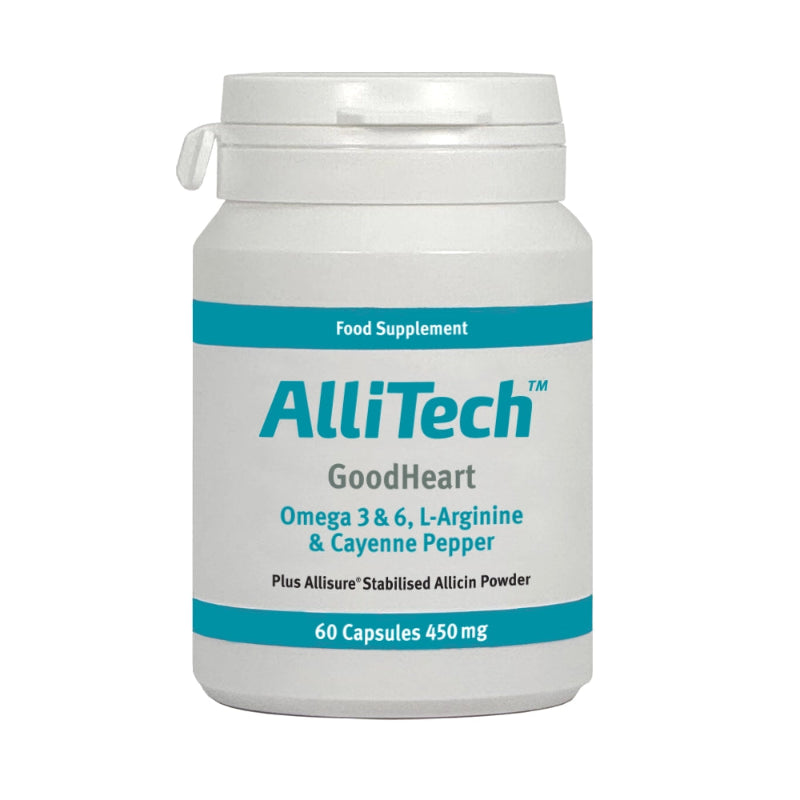
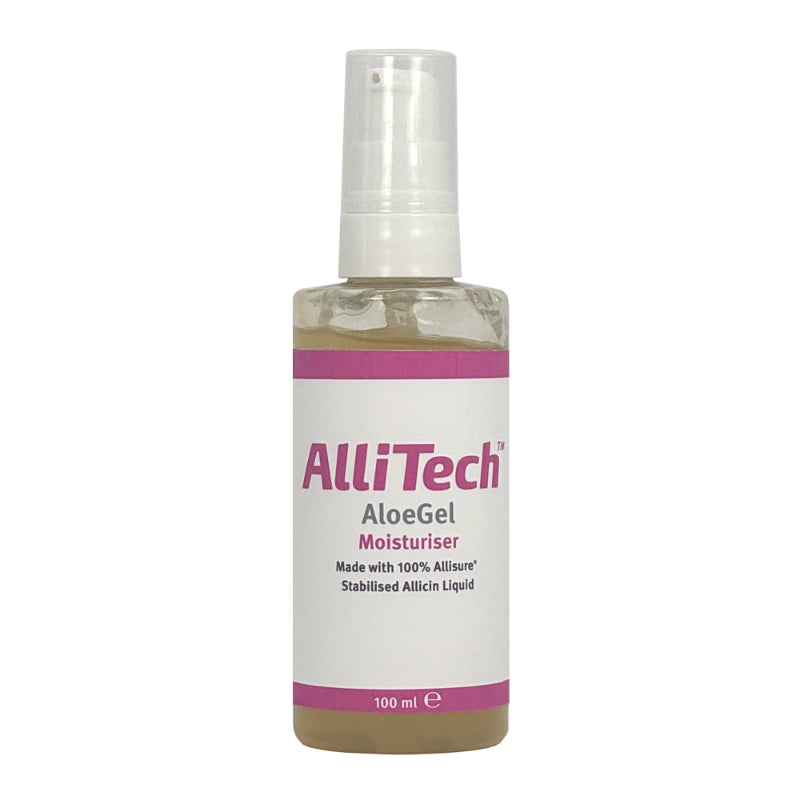
Some products, such as AlliTech, are formulated using stabilised allicin extracts with the aim of delivering a consistent level of active compound. These formulations are designed to address the limitations associated with:
- Rapid degradation
- Inconsistent dosing
- Poor bioavailability from standard garlic sources
It is important to note that while such approaches aim to improve delivery, the extent to which they enhance biological effects depends on multiple factors, including formulation quality and individual response.
Key Considerations for Bioavailability
When evaluating allicin delivery, several variables should be considered:
- Formulation type (raw garlic vs stabilised extract)
- Dosage consistency
- Method of administration
- Individual digestive and metabolic factors
These variables contribute to the wide variability seen in both research outcomes and real-world use.
Bioavailability & Delivery Overview
Allicin’s potential biological relevance is closely linked to the challenge of delivering it in a stable and bioavailable form. While raw garlic and standard supplements may provide variable exposure, stabilised formulations aim to offer greater consistency.
However, bioavailability remains a key limiting factor in allicin research, and further work is needed to better understand how different delivery methods influence its activity within the human body.
Safety, Tolerability and Practical Considerations
When evaluating compounds such as allicin, it is important to consider not only potential biological activity, but also safety, tolerability, and appropriate use. While garlic-derived substances have a long history of dietary consumption, concentrated or stabilised forms introduce different considerations, particularly in supplement contexts.
General Safety Profile
Garlic has been consumed as part of the human diet for centuries, and is generally regarded as safe when used in typical food quantities. Allicin, as a derivative of garlic, is therefore often discussed within this broader context.
However, when used in concentrated or supplemental forms, the following factors become more relevant:
- Dose and frequency of intake
- Individual sensitivity
- Method of delivery (oral, topical, or inhaled)
Some observational data suggests that stabilised allicin products have been used over extended periods without widespread reports of adverse effects. That said, such observations are not equivalent to controlled safety studies and should be interpreted cautiously.
Gastrointestinal and Sensory Considerations
Due to its chemical reactivity, allicin may cause mild side effects in some individuals, particularly when taken orally. These can include:
- Digestive discomfort
- Nausea in sensitive individuals
- Characteristic odour associated with garlic compounds
Tolerance can vary depending on:
- Dosage
- Formulation (e.g. liquid vs capsules)
- Whether taken with food
Topical and Localised Use
In topical applications, allicin-containing formulations are sometimes used for localised purposes. In these cases:
- Mild irritation or stinging sensations may occur upon application
- Sensitivity may vary depending on skin condition and concentration
As with any topical product, patch testing and cautious initial use are generally advisable.
Potential Interactions and Precautions
As with many bioactive compounds, allicin may interact with certain physiological processes. Considerations include:
- Medication interactions: Garlic-derived compounds have been associated with effects on blood clotting, which may be relevant for individuals taking anticoagulants
- Medical conditions: Individuals with existing health conditions should consider suitability carefully
- Pregnancy and breastfeeding: Professional medical advice is recommended before use
These considerations are not unique to allicin, but reflect standard best practice when introducing concentrated supplements.
Variability in Product Quality
The safety and tolerability of allicin-containing products can also depend on formulation quality and manufacturing standards. Factors such as:
- Ingredient sourcing
- Stability of active compounds
- Absence of contaminants
can influence both effectiveness and user experience.
Products produced under controlled conditions and aligned with recognised quality standards may offer greater consistency, although this does not replace the need for appropriate use.
Practical Usage Considerations
For individuals considering allicin as part of a broader health approach, practical factors include:
- Choosing a suitable format (e.g. liquid, capsule, topical)
- Starting with lower doses to assess tolerance
- Using as part of a balanced strategy rather than a standalone solution
It is also important to maintain realistic expectations, particularly given the variability in individual responses and the current state of evidence.
Safety & Practical Considerations
Allicin is derived from a widely consumed food source, and available data suggests it is generally well tolerated when used appropriately. However, concentrated forms introduce additional considerations around dosage, delivery, and individual response.
As with any supplement, responsible use, awareness of potential interactions, and consultation with a qualified healthcare professional where appropriate are key to ensuring safe and informed use.
Real-World Observations vs Clinical Evidence
A recurring theme in allicin research is the contrast between real-world observations and clinically validated evidence. This distinction is particularly important in health-related content, where anecdotal reports can sometimes be interpreted as proof of effectiveness if not properly contextualised.
Observational Reports and Case Accounts
There are numerous anecdotal reports and practitioner-led observations describing the use of allicin-containing preparations across a wide range of scenarios. These include individual cases relating to:
- Skin conditions
- Respiratory symptoms
- Gastrointestinal disturbances
- Infection-related concerns
Such accounts often describe positive outcomes following the use of allicin-based products. In some cases, these observations come from long-term usage contexts or practitioner experience rather than formal research environments.
These reports can be valuable in identifying:
- Potential areas for further study
- Patterns of use in real-world settings
- Hypotheses for controlled research
Limitations of Anecdotal Evidence
Despite their practical relevance, observational reports have several limitations that must be clearly acknowledged:
- Lack of control groups: Without comparison to a placebo or alternative treatment, outcomes cannot be attributed solely to allicin
- Variability in conditions and dosing: Differences in individual health status, dosage, and delivery method make results difficult to standardise
- Potential bias: Positive outcomes are more likely to be reported than neutral or negative ones
- Confounding factors: Other interventions or lifestyle changes may influence results
For these reasons, anecdotal evidence is considered low on the evidence hierarchy and cannot establish cause-and-effect relationships.
Clinical and Experimental Evidence
In contrast, clinical research aims to evaluate interventions under controlled conditions. In the context of allicin, this includes:
- Laboratory (in vitro) studies
- Animal studies
- Early-stage human trials
These studies provide insight into:
- Mechanisms of action
- Biological interactions
- Potential therapeutic pathways
However, even within this body of research, there are limitations:
- A relatively small number of large-scale human trials
- Variability in study design and formulation
- Challenges in standardising allicin delivery
Bridging the Gap
The gap between observational use and clinical validation is not unique to allicin. Many naturally derived compounds follow a similar trajectory:
- Traditional or anecdotal use
- Laboratory investigation
- Early-stage clinical research
- Larger-scale trials (where evidence becomes more definitive)
Allicin appears to be positioned between stages two and three in many areas of study. While there is a growing body of mechanistic and experimental data, robust, large-scale clinical evidence remains limited.
Real-World Observations vs Clinical Evidence
Real-world observations suggest that allicin-containing products are used across a variety of contexts and may be associated with positive outcomes in individual cases. However, these accounts should be interpreted cautiously and not treated as clinical proof.
Current scientific evidence provides useful insights into how allicin behaves biologically, but further high-quality human research is needed to confirm its effects in real-world health applications.
The Role of Allicin in a Broader Health Strategy
When considering compounds such as allicin, it is important to place them within the context of overall health strategy, rather than viewing them as standalone solutions. Human health is influenced by a combination of factors, including nutrition, lifestyle, environment, and medical care. Within this framework, allicin is best understood as one component among many.
Complementary, Not Replacement
Current evidence does not support the use of allicin as a replacement for conventional medical treatment. Instead, it may be considered as part of a complementary approach, particularly where individuals are looking to support general wellbeing alongside established care.
This distinction is critical from both a clinical and regulatory perspective:
- Conventional treatments are supported by large-scale clinical evidence
- Emerging compounds like allicin are still under investigation
- Combining approaches should always be done with appropriate guidance where necessary
Integration with Foundational Health Principles
Any potential role for allicin should be considered alongside the core pillars of health:
- Diet: Nutrient-dense, balanced nutrition remains fundamental
- Gut health: Fibre intake, microbiome support, and digestive function
- Sleep and recovery: Essential for immune regulation and repair
- Stress management: Chronic stress can influence immune and inflammatory pathways
- Physical activity: Supports metabolic and immune health
Within this context, allicin may be explored as part of a broader strategy aimed at maintaining normal physiological function, rather than addressing specific conditions in isolation.
Targeted vs General Use
Depending on the context, allicin-containing products may be used in different ways:
- Short-term, targeted use: In situations where individuals are exploring support during periods of increased physiological demand
- Longer-term, general use: As part of a routine approach to maintaining balance and resilience
However, these approaches are not standardised, and outcomes may vary based on:
- Individual health status
- Dosage and formulation
- Consistency of use
Individual Variability
Responses to bioactive compounds can differ significantly between individuals. Factors influencing this include:
- Genetics and metabolism
- Existing health conditions
- Gut microbiome composition
- Concurrent use of medications or supplements
This variability reinforces the importance of personalised decision-making and, where appropriate, consultation with a qualified healthcare professional.
Positioning Within Supplement Strategies
In practice, allicin is often considered alongside other nutritional or supplement-based approaches. These may include:
- Micronutrient support (e.g. vitamins and minerals)
- Probiotics or digestive support
- Other plant-derived compounds
The rationale behind this approach is that complex biological systems are unlikely to be influenced by a single compound alone.
Responsible Use and Expectations
From a practical standpoint, maintaining realistic expectations is essential:
- Effects, if present, may be gradual rather than immediate
- Not all individuals will experience the same outcomes
- Evidence remains variable depending on the application
Clear positioning helps ensure that allicin is used in a way that is informed, proportionate, and aligned with current scientific understanding.
Broader Health Strategy Overview
Allicin may have a role within a broader health strategy, particularly as part of a complementary approach to supporting normal physiological function. However, it should not be viewed in isolation or as a substitute for established medical care.
A balanced approach that integrates nutrition, lifestyle, and evidence-based interventions remains the most reliable foundation for long-term health.
About Dulwich Health
Dulwich Health is a UK-based provider of natural health supplements and wellness solutions, with a track record spanning nearly four decades. Established in 1986, the company has supported over 30,000 customers, building a reputation centred on long-term experience, product consistency, and customer trust.
The company focuses on developing and supplying specialist formulations designed to complement overall wellbeing, rather than replace conventional medical care. Its approach reflects a combination of:
- Practical experience gained over many years of working with customers
- Ongoing interest in emerging research around natural compounds
- A commitment to providing clear, responsible information
Two of the core products developed by Dulwich Health are OxyTech and AlliTech:
- OxyTech is described as an oxygen-based supplement formulated to support a healthy gut environment
- AlliTech is based on stabilised allicin, a compound derived from garlic that has been the subject of ongoing scientific interest
Both products are positioned as part of a broader, complementary approach to health, intended to be used alongside lifestyle improvements and, where appropriate, conventional medical guidance.
Dulwich Health emphasises:
- UK-based production standards
- A focus on product quality and formulation consistency
- A long-standing customer base built over decades
As with all supplements, their products are intended to support general wellbeing and should be considered within the context of individual needs, existing health conditions, and professional medical advice where required.
Conclusion: What We Know and What Requires Further Research
Allicin remains one of the most scientifically interesting compounds derived from garlic, largely due to its distinct chemical reactivity and broad biological interactions. Research to date provides a solid foundation for understanding how allicin behaves at a molecular level, particularly in controlled laboratory settings.
What We Know
Current evidence supports several well-established points:
- Mechanism of formation: Allicin is produced enzymatically when garlic is disrupted, combining alliin and allinase
- Chemical behaviour: Its reactivity with thiol groups enables interaction with proteins and enzymes
- Laboratory activity: In vitro studies demonstrate antimicrobial effects against a range of microorganisms
- Biological potential: Research suggests possible roles in immune modulation, oxidative processes, and microbial interaction
These findings are supported by a growing body of experimental research and help explain why allicin continues to be studied across multiple scientific fields.
What Remains Uncertain
Despite promising laboratory data, several important limitations remain:
- Limited human clinical trials: There is a lack of large-scale, high-quality studies confirming outcomes in real-world populations
- Bioavailability challenges: Allicin’s instability makes consistent delivery difficult
- Variability in formulations: Differences between raw garlic, standard supplements, and stabilised extracts complicate comparisons
- Context-dependent effects: Outcomes may vary significantly depending on dosage, delivery method, and individual physiology
These gaps mean that many of the proposed benefits of allicin are still under investigation rather than conclusively established.
The Direction of Future Research
Future progress in this area is likely to focus on:
- Well-designed human clinical trials to evaluate safety and effectiveness in specific contexts
- Standardisation of formulations, allowing for more reliable comparisons across studies
- Improved delivery methods to address stability and absorption challenges
- Microbiome and systems-level research, exploring how allicin interacts within complex biological environments
Advances in these areas will be essential for translating laboratory findings into clinically meaningful applications.
A Balanced Perspective
Based on current evidence, allicin can be viewed as a biologically active compound with promising properties, but not as a clinically established intervention. Its role is best understood within the context of:
- Ongoing scientific research
- Complementary health approaches
- Individual variability in response
Maintaining this balanced perspective is key to ensuring that discussions around allicin remain accurate, responsible, and aligned with current scientific understanding.
Final Takeaway
Allicin represents a compelling example of how naturally derived compounds can bridge the gap between traditional use and modern scientific investigation. While its biochemical activity is well documented, further research is required to fully understand its relevance in human health.
Until then, it should be approached as an area of active research interest, rather than a definitive solution, with any practical use guided by evidence, context, and appropriate professional advice.
Frequently Asked Questions
Allicin FAQ
A practical overview of some of the most common questions readers may have after exploring the science behind allicin.
What is allicin and how is it formed?
Allicin is a sulphur-containing compound associated with garlic. It is not present in whole, intact garlic cloves. Instead, it forms when garlic is cut, crushed, or otherwise disrupted, allowing the enzyme allinase to react with alliin and produce allicin.
Why is allicin considered scientifically interesting?
Allicin has attracted scientific interest because of its chemical reactivity and the way it interacts with proteins and enzymes in laboratory settings. Researchers have explored its antimicrobial activity, its interaction with oxidative processes, and its possible relevance to immune-related pathways.
Is allicin stable?
No, allicin is naturally unstable. Once it is formed, it can degrade quite quickly, particularly when exposed to heat, oxygen, or acidic digestive conditions. This is one reason why allicin bioavailability is such an important part of the scientific discussion.
Does eating garlic guarantee a meaningful amount of allicin?
Not necessarily. The amount of allicin produced from garlic can vary depending on how the garlic is prepared, whether it is cooked, and how quickly the active compounds degrade. This means the amount available for absorption can be inconsistent.
What does research suggest about allicin and microbes?
Laboratory research suggests that allicin has activity against a range of microorganisms, including certain bacteria, fungi, and viruses. However, laboratory findings do not automatically translate into confirmed clinical outcomes in humans, so the evidence needs to be interpreted carefully.
Can allicin replace antibiotics or medical treatment?
No. Current evidence does not support presenting allicin as a replacement for antibiotics or conventional medical care. It is more appropriate to discuss it as a compound being investigated in scientific research and, where relevant, as part of a broader complementary health approach.
What is meant by “stabilised allicin”?
Stabilised allicin refers to formulations designed to preserve allicin in a more consistent form. Because natural allicin degrades quickly, stabilisation is intended to improve consistency, handling, and delivery compared with raw garlic alone.
Are all garlic supplements the same?
No. Garlic supplements can differ significantly in formulation, active compounds, processing methods, and intended delivery. Some contain garlic powder or precursor compounds, while others are designed to provide stabilised allicin. These differences can affect consistency and potential bioavailability.
What does current research say about allicin and the immune system?
Research suggests that allicin may interact with immune-related pathways and inflammatory signalling, but much of this work is still based on laboratory or early-stage research. More high-quality human studies are needed before stronger conclusions can be drawn.
Is allicin relevant to gut health discussions?
It can be discussed in that context because of its antimicrobial activity and the scientific interest in how it may interact with microbial balance. That said, the gut microbiome is complex, and current evidence does not justify simplistic claims. Any discussion should remain measured and evidence-based.
Is AlliTech the main focus of this article?
No. The article is focused on the scientific discussion around allicin itself. Where relevant, stabilised allicin products such as AlliTech may be mentioned in the context of formulation and delivery, but the purpose of the article is to review the evidence rather than make product-led claims.
What is the safest way to position allicin content in a health article?
The safest approach is to report on existing scientific literature, distinguish clearly between laboratory findings and human clinical evidence, avoid disease-treatment claims, and position allicin as an area of ongoing research rather than a guaranteed solution.
References & Further Reading
Scientific Resources
The following third-party sources were used to inform the scientific discussion within this article. These references provide additional context around allicin, garlic compounds, and their biological interactions.
Allicin and its biological properties
National Institutes of Health (NIH)
A peer-reviewed overview of allicin’s chemical properties, mechanisms of action, and antimicrobial activity in laboratory settings.
Garlic and immune function
National Institutes of Health (NIH)
Research exploring garlic-derived compounds and their interaction with immune pathways, inflammation, and oxidative stress.
Antimicrobial mechanisms of allicin
Frontiers in Microbiology
A detailed review of how allicin interacts with microbial systems, including enzyme inhibition and cellular disruption mechanisms.
Garlic: Health Professional Fact Sheet
Office of Dietary Supplements (NIH)
A comprehensive, evidence-based summary covering garlic’s composition, bioactive compounds, and current research limitations.