Festive gut health: supporting digestion and avoiding the post-meal slump
The festive season brings celebration, indulgence, and (too often) a noticeable dip in digestive comfort. Rich meals, irregular eating patterns, late nights, alcohol, and stress can all place extra pressure on the gut. The result? Bloating, discomfort, fatigue, and the classic post-meal slump many experience after Christmas dinner.
While this is common and usually temporary, supporting your gut through December can make a significant difference to how energised, comfortable and balanced you feel. This guide offers a short, evidence-informed overview of how digestion works at this time of year, what causes the festive slump, and how to support your gut gently and naturally.
Important Notice
If you experience severe or persistent digestive symptoms, unexpected weight loss, blood in stool, fever, or ongoing pain, always speak to a GP or qualified healthcare professional.
The tips in this guide support general digestion and comfort but are not a substitute for medical evaluation.
Table of Contents
- 1. Why digestion feels harder in December
- 2. What causes the post-meal slump
- 3. Everyday festive habits that support digestion
- 4. Natural supports for the gut environment
- 5. How Bio-Culture, Bio-Fibre & OxyTech can help
- 6. A gentle “festive reset” routine
- 7. Festive Gut Health FAQ
1. Why Digestion Feels Harder in December

During December, meal sizes increase, fibre intake drops, and alcohol and sugar spike. These changes slow digestion, increase fermentation in the gut, and can strain the microbiome. Add late nights, stress and disrupted routines, and the digestive system becomes less efficient at doing its job.
2. What Causes the Post-Meal Slump?
The post-meal slump, also known as postprandial fatigue, can happen when:
- Large meals divert blood flow toward the digestive system
- High-carb festive foods spike and then drop blood sugar
- Low fibre intake slows gut motility
- Alcohol disrupts digestion and sleep patterns
- Poor pacing leads to overeating before fullness signals arrive
It’s normal to feel slower after a large meal, but small changes can make the post-meal crash far less intense.
3. Everyday Habits That Support Festive Digestion
A. Eat Slowly & Pause Between Servings
This supports natural fullness cues and reduces bloating.
B. Add Fibre Wherever You Can
Vegetables, nuts, oats and whole grains help keep digestion steady- especially helpful on rich meal days.
C. Prioritise Hydration
Water supports digestive enzymes and helps regulate bowel movements.
D. Move Gently After Meals
A short walk can improve blood sugar balance and reduce the intensity of the slump.
E. Support Stress & Sleep
Stress and poor sleep disrupt gut motility and microbiome balance, making digestive reactions more noticeable.
4. Natural Ingredients That Support the Gut Environment

These ingredients can support digestion and comfort during the festive season:
Ginger
Traditionally used to support digestion, calm the stomach and reduce feelings of heaviness.
Fibre-rich foods
Support regularity and help prevent the sluggishness many feel after heavy meals.
Fermented foods
Help replenish beneficial bacteria—especially useful after large or irregular meals.
Garlic (allicin)
Contains natural compounds studied for their antimicrobial activity, supporting overall gut environment balance.
5. How Bio-Culture, Bio-Fibre & OxyTech Can Help
Dulwich Health offers natural supports that complement a festive digestive routine:
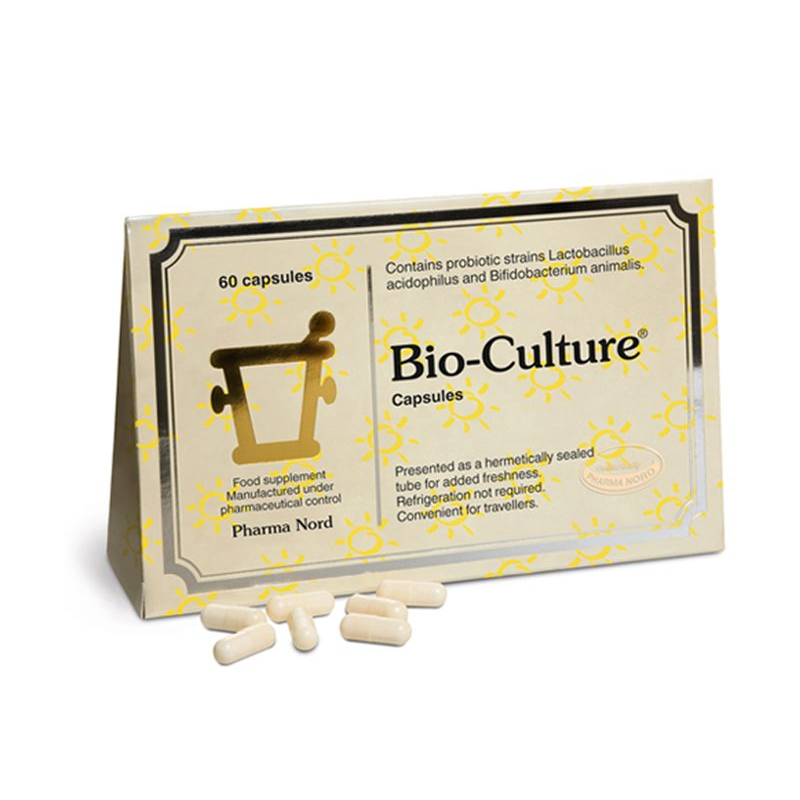
Bio-Culture (Probiotics)
Bio-Culture supports the balance of beneficial gut bacteria, helping digestion cope with rich foods, alcohol and irregular eating patterns.
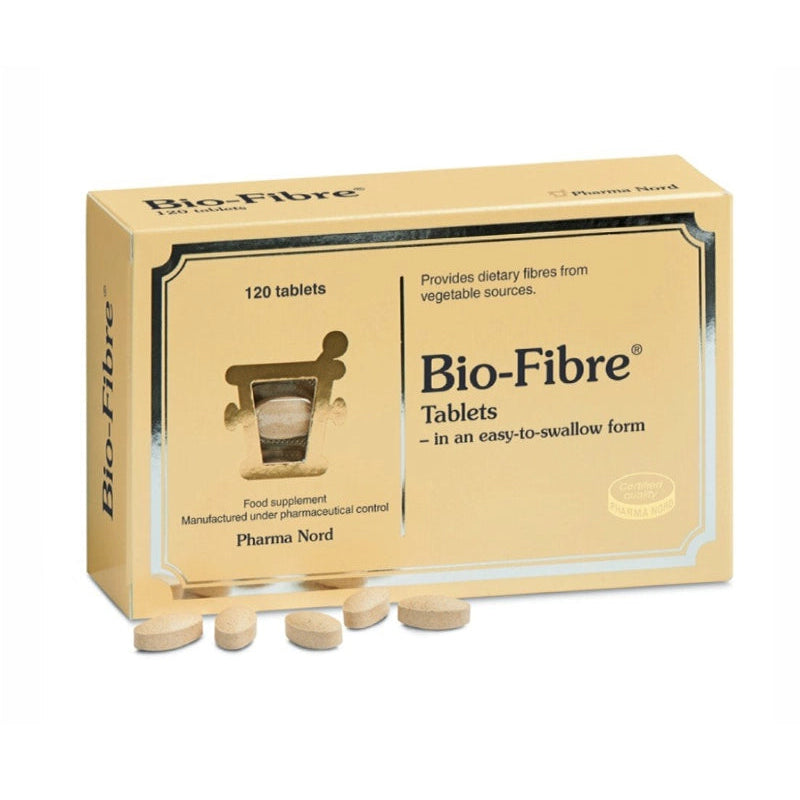
Bio-Fibre
Bio-Fibre offers an easy way to increase daily soluble and insoluble fibre—vital during a low-fibre festive diet.
OxyTech
OxyTech is a gentle oxygen-based colon conditioner that supports regularity and comfortable digestion, especially when routine is disrupted during December.
6. A Gentle “Festive Reset” Routine
You don’t need a restrictive detox—just a calm, consistent rhythm:
- Begin the day with warm water and light movement
- Add Bio-Culture in the morning to support microbial balance
- Increase fibre at each meal with vegetables, oats or Bio-Fibre
- Take OxyTech in the evening as directed for gentle regularity
- Walk after meals to encourage digestion
- Prioritise sleep to support gut recovery
7. Festive Gut Health FAQ
Q Why do I feel so tired after festive meals?
Large meals require more digestive energy, especially when rich in fats and sugars. Blood flow shifts toward digestion, and blood sugar spikes may lead to a slump afterwards.
Q Can probiotics help with the festive slump?
They may support gut balance and digestion, especially if large meals or alcohol have disrupted your routine.
Q Is OxyTech safe for regular use?
OxyTech is designed as a gentle, non–habit forming digestive support. Follow the product guidance and speak to a healthcare professional if unsure.
General information only. Always consult a healthcare professional for ongoing or severe digestive symptoms.
Dulwich Health has supported natural wellness since 1986, offering trusted supplements to help you feel your best during the festive season and beyond.