Your gut and brain are in constant conversation. This bidirectional network (often called the gut–brain axis) links your intestinal microbiome with the nervous system, immune function, and hormones that influence mood, focus, sleep, and stress tolerance.
When the microbiome is out of balance - after stress, poor sleep, low-fibre diets, frequent antibiotics, or highly processed foods - you may notice bloating, irregularity, brain fog, low mood, and increased reactivity to stress. This guide covers how the axis works and simple, evidence-informed ways to support it.

What Is the Gut–Brain Axis?
The gut–brain axis is the two-way communication between your digestive tract and central nervous system. It works through neural pathways (including the vagus nerve), immune signalling and chemical messengers made or modulated by gut microbes (for example, short-chain fatty acids and neurotransmitter precursors).
Why It Matters for Mood, Focus & Stress
- Chemical messengers: Gut bacteria can influence GABA and serotonin pathways that affect calm, motivation and sleep quality.
- Inflammation: Dysbiosis may increase inflammatory signalling, which is linked with low mood and brain fog.
- Barrier integrity: A well-fed microbiome helps maintain gut lining integrity; supporting steadier energy and cognitive clarity.
Foundations: Food, Fibre & Daily Habits
- Build plates around plants: vegetables, pulses, whole grains, nuts, seeds and fermented foods.
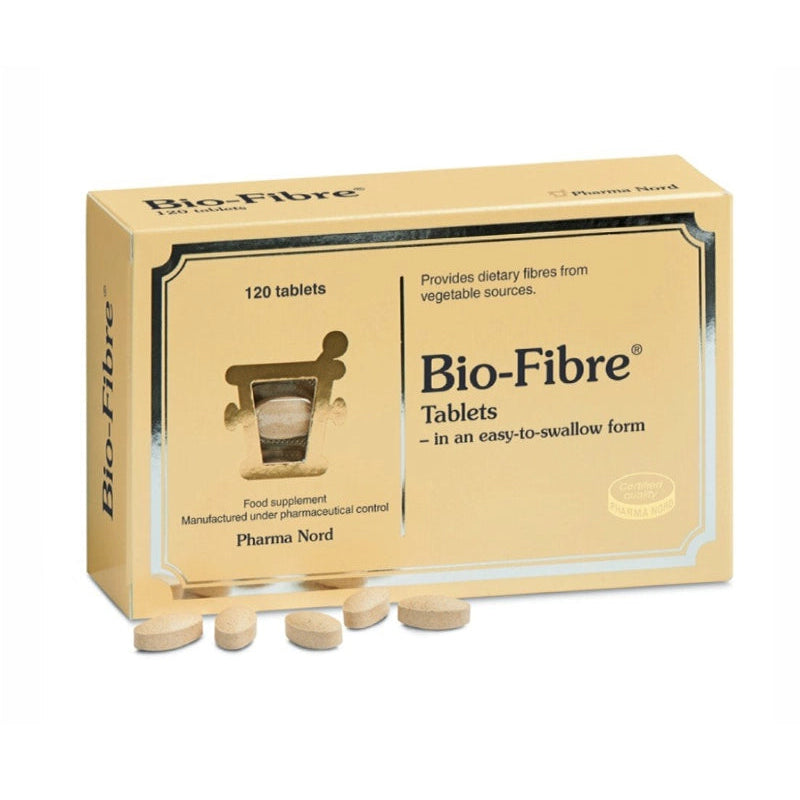
- Aim for ~30g fibre/day to feed beneficial microbes and encourage regularity. Supplement with Bio-Fibre if dietary intake is low.
- Stabilise your rhythms: morning light, daily movement and consistent bed/wake times.
Targeted Support from Dulwich Health
- Bio-Culture (Probiotic): Helps reseed friendly bacteria and support gut barrier function. Regular use of Bio-Culture supports microbiome diversity and resilience.
- Bio-Fibre (Fibre top-up): Convenient soluble/insoluble fibre to reach daily targets and feed microbiota. Bio-Fibre complements probiotic intake for complete gut balance.
-
OxyTech (Gentle cleanse): Oxygen-based colon conditioner to support comfortable regularity and a cleaner environment for beneficial flora. Periodic use of OxyTech can refresh the digestive system without harsh laxatives

How to Use Them: A Simple Routine
- Morning: Take Bio-Culture consistently (with or without food).
- With meals: Add Bio-Fibre to support fibre intake and microbial diversity.
- Evening: Use OxyTech as directed to maintain regularity and comfort.
Always follow product directions. If you are pregnant, breastfeeding or on prescription medicines, speak to your healthcare professional first.
Common Questions About the Gut–Brain Axis
Click a question to reveal a concise, trustworthy answer.
Can probiotics really affect mood or focus?
They may help by supporting gut barrier integrity and influencing signalling molecules involved in stress and mood. For daily support, consider Bio-Culture.
How much fibre should I aim for?
Many adults benefit from targeting ~30g/day. If diet falls short, Bio-Fibre can help bridge the gap as part of a fibre-rich diet.
Where does OxyTech fit in?
OxyTech offers a gentle, oxygen-based cleanse to support comfortable regularity—creating a cleaner environment in which friendly bacteria can thrive. Some people use OxyTech periodically alongside Bio-Culture for best balance.
How long until I notice changes?
Most people notice improvements in digestion, energy and focus within 2–4 weeks when combining diet, routine and targeted supplements such as Bio-Culture, Bio-Fibre and OxyTech.
Is this medical advice?
No. This is educational content only. If you’re pregnant, breastfeeding or on medicines, seek personalised advice from your clinician before using supplements such as Bio-Culture, Bio-Fibre or OxyTech.
Educational content only. Not medical advice. Always consult a qualified healthcare professional before starting supplements or changing medication. Product information may reflect testimonials and practical experience. Individual results vary.
...Unraveling Its Impact on Your Mood
1. The Enteric Nervous System: Often referred to as the "second brain," your gut houses an extensive network of neurons, neurotransmitters, and receptors. This complex system, known as the enteric nervous system, can operate independently
of the central nervous system. It plays a vital role in regulating digestion, but it also sends signals to your brain that can affect your mood.
2. The Role of Serotonin: Serotonin, a neurotransmitter that contributes to feelings of happiness and well-being, is produced both in your brain and your gut. In fact, a significant portion of serotonin (about 90%) is synthesized in your gastrointestinal tract. This is where our products come into play.
3. OxyTech & Serotonin Balance: OxyTech, our powerful gut supplement, not only supports digestive wellness but also helps create an environment in your gut where harmful bacteria find it difficult to thrive. This balanced gut environment can contribute to the production and regulation of serotonin, potentially leading to a better mood and emotional well-being.
4. The Gut Microbiota: Your gut is home to trillions of microorganisms, collectively known as the gut microbiota. These tiny residents play a pivotal role in your health, including your mental health. The composition of your gut microbiota can influence your mood, stress levels, and even the risk of mental health conditions like depression and anxiety.
Research References
Independently verified scientific sources supporting the gut–brain axis mechanisms discussed in this article.
- O’Mahony SM et al. Serotonin pathways and microbiota signalling — evidence linking gut bacteria to mood & stress responses. Visit source
- Bravo JA et al. Probiotic intake influences GABA receptor expression and stress response via vagus nerve signalling. Visit source
- Dalile B et al. Short-chain fatty acids support gut barrier and influence stress & cognition. Visit source
- Hemarajata P, Versalovic J. Probiotics modulate gut barrier and immune signalling relevant to the gut–brain axis. Visit source