We often think of “training” as something we do for the body — but the brain thrives on challenge too. Cognitive exercise helps keep neural pathways flexible, sharp, and resilient with age. You don’t need apps or expensive programs to get started; low-tech, everyday tasks can be surprisingly effective at building focus, memory, and creativity.
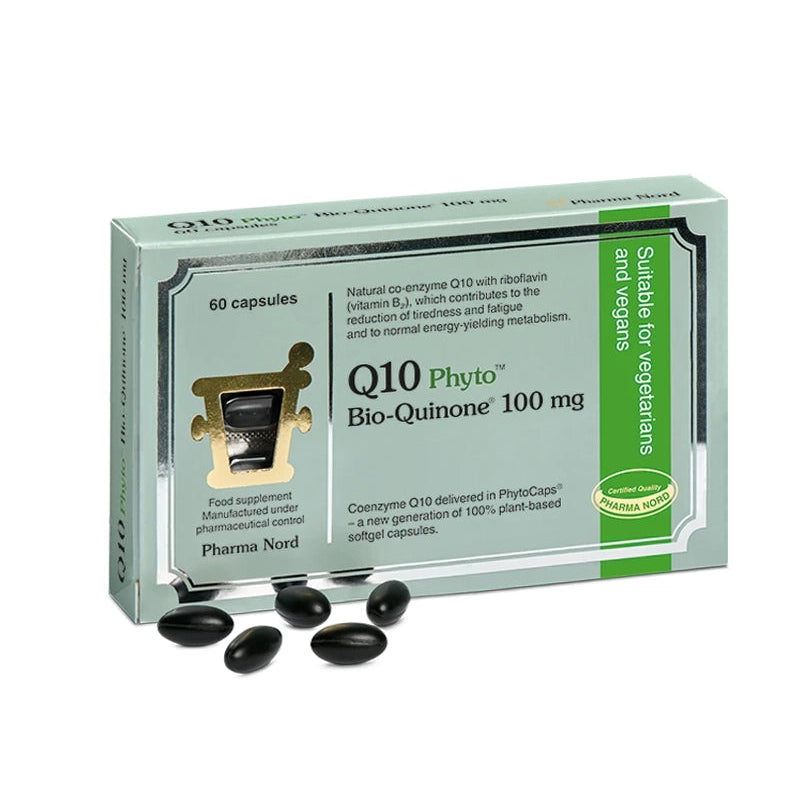
Here’s how to stimulate your brain at home and when to step back to let recovery (and growth) take place. Alongside these practices, nutrients that fuel mental performance such as Q10, CurraNZ, and Bio-Marine Omega-3 can help optimise circulation, cellular energy and clarity for a sharper, more focused mind.
Why Train Your Brain?
Like muscles, the brain responds to regular use. Each time you challenge it, neurons form stronger connections — a process called neuroplasticity. This adaptability supports memory, problem-solving, and emotional regulation throughout life.
Modern neuroscience shows that lifelong learning, varied movement, and good sleep maintain healthy brain volume and function. Yet nutrition is equally critical: your brain uses more energy than any other organ, and every thought depends on a steady supply of oxygen, micronutrients and antioxidants.

Simple Brain Training Exercises at Home
- Switch hands. Brush your teeth or write with your non-dominant hand to activate new neural networks.
- Learn something small each day. A new word, recipe, or skill stimulates multiple brain regions simultaneously.
- Combine movement with thinking. Walk while recalling facts or planning tasks — proven to strengthen working memory.
- Observe mindfully. Choose a familiar setting and find five details you’ve never noticed before to improve attention and awareness.
- Practise mental maths. Calculating without a pen engages focus and mental agility.
- Read aloud or summarise aloud. Speaking activates auditory and language circuits, improving retention.
- Rotate routines. Changing small daily habits challenges the brain to adapt, reinforcing flexibility and resilience.
Why Rest Is Part of Training
The brain consumes about 20% of total body energy. Mental overwork can quickly lead to fatigue and poor recall. Strategic rest — short breaks, mindful breathing or light stretching — allows neural circuits to consolidate new information. Sleep is equally vital: memory and learning stabilise during deep and REM cycles.
Supporting recovery with hydration, balanced meals and gut health can make a noticeable difference. The gut–brain axis links digestive comfort with mental clarity; gentle cleansing from OxyTech or microbial support from AlliTech helps maintain that balance.

Nutritional Support for Focus & Resilience
Q10 – Cellular Energy for Mental Performance
Q10 supports mitochondrial energy production, essential for neurons that rely heavily on ATP. Regular use may help maintain concentration, alertness and mental stamina, especially during busy or stressful periods.
CurraNZ – Circulation & Recovery Support
The anthocyanins in CurraNZ help improve blood flow and oxygen delivery to brain tissue, supporting endurance and post-stress recovery. Enhanced circulation can reduce brain fog and mental fatigue.
Bio-Marine Omega-3 – Structural Support for Brain Cells
DHA, an omega-3 fatty acid in Bio-Marine, contributes to normal brain function. Regular intake helps maintain cell membrane flexibility and efficient nerve signalling, underpinning memory and cognitive sharpness.
Bio-Selen + Zinc – Antioxidant Defence
Bio-Selen + Zinc contributes to the protection of cells from oxidative stress. These trace elements support the brain’s antioxidant defences, helping preserve clarity and long-term neural health.
Multivitamins & Bio-E Vitamin – Everyday Cognitive Maintenance
A complete Multivitamin ensures micronutrient coverage for energy metabolism and neurotransmitter synthesis, while Bio-E Vitamin provides antioxidant support that protects delicate neural membranes from free-radical damage.
Gut–Immune Synergy: OxyTech & AlliTech
The gut produces neurotransmitters like serotonin and GABA that influence focus and mood. OxyTech supports regular digestion and detox, while AlliTech offers immune and microbial balance; key for sustained mental clarity and resilience.
Common Questions About Brain Training & Nutrient Support
Click a question to reveal a concise, trustworthy answer.
How long should I train daily?
Even 10–15 minutes of cognitive challenge a day can strengthen neural pathways. Consistency and sleep matter more than intensity.
Which nutrients best support focus and clarity?
Q10 provides cellular energy; Bio-Marine supplies DHA for brain structure; Bio-Selen + Zinc and Bio-E Vitamin defend against oxidative stress; and CurraNZ supports oxygen delivery. Together they promote steady mental energy and resilience.
Can gut health affect concentration?
How soon will I notice results?
Most people experience improved mental clarity within 2–4 weeks when combining daily brain challenges with adequate rest, hydration and nutritional support.
Are these supplements safe to combine?
These nutrients act via complementary mechanisms and are generally well tolerated. Always follow label directions and consult your healthcare professional if you take prescription medication or have specific health concerns.
Research References
Independently verified scientific and medical sources supporting the brain-health and energy statements in this article.
- Draganski B, Gaser C, Busch V, et al. Changes in grey matter induced by training – juggling practice in adults demonstrates structural brain plasticity with learning. Visit source
- Erickson KI, Voss MW, Prakash RS, et al. Exercise training increases size of the hippocampus and improves memory – aerobic walking in older adults enhances brain volume and function. Visit source
- Gómez-Pinilla F. Brain foods: the effects of nutrients on brain function – review of how dietary patterns, micronutrients and omega-3 fats affect cognition and mood. Visit source
- Ekstrand B, Scheers N, Rasmussen MK, et al. Brain foods – the role of diet in brain performance and health. Summarises evidence on how balanced nutrition supports brain structure and function. Visit source
- Raichle ME. The brain’s energy budget – shows that although the brain is ~2% of body weight, it uses around 20% of resting energy, highlighting its high metabolic demand. Visit source
Educational content only. Not medical advice. Always consult a qualified healthcare professional before starting supplements or changing medication. Product information may reflect testimonials and practical experience. Individual results vary.