Across the world, there’s a growing shift towards natural wellness. People are rethinking what they put into and onto their bodies, seeking remedies that align with nature rather than relying solely on synthetic pharmaceuticals. This trend has become even more urgent in the face of rising antibiotic resistance, a concern described by the UK Government’s Chief Medical Officer, Professor Dame Sally Davies, as “a ticking time bomb.” The warning is clear: as bacteria evolve, many of the antibiotics we depend on could become ineffective, making even routine operations or minor infections potentially dangerous.
Against this backdrop, natural antiseptics have re-emerged as powerful allies in everyday health and first aid. In simple terms, a natural antiseptic is a plant- or mineral-based substance that helps prevent infection by destroying or inhibiting harmful microorganisms such as bacteria, viruses, and fungi. Unlike synthetic antiseptics or antibiotics, these natural solutions often support the body’s immune defences rather than overwhelming them. Whether used for first aid wound care, skin protection, or immune support during seasonal illness, natural antiseptics have earned a respected place in the modern medicine cabinet.
In this article, we’ll explore some of the most effective natural antiseptics in liquid and spray form, with a particular focus on those derived from one of nature’s most remarkable plants: garlic. Through scientific insight and practical application, we’ll see why purified allicin, the active compound in garlic is considered one of the strongest natural defences against infection, offering a potent, versatile, and time-tested solution for today’s health challenges.
The Science of Allicin: Stabilising Nature’s Power

The Power Source
For thousands of years, garlic has been recognised as one of nature’s most powerful natural defenders. Its reputation as a remedy for infection and illness is not folklore but rooted in chemistry. The secret lies in a remarkable compound called allicin, the active ingredient that gives freshly crushed garlic its distinctive aroma and potent antiseptic power. Allicin is nature’s built-in shield, protecting the garlic bulb against bacteria, fungi, parasites, and viruses in the soil.
Mechanism
Allicin is formed through a fascinating natural reaction. Inside a clove of garlic, two components are kept separate: an enzyme known as alliinase and an amino acid called alliin. When the garlic is cut, crushed, or chewed, these two substances combine to produce allicin. Once created, this compound displays broad-spectrum antimicrobial properties, meaning it can target a wide range of harmful microorganisms at once. Allicin acts as an antibacterial, antiviral, antifungal, and antiparasitic agent, disrupting the cell functions of pathogens while supporting the body’s own immune response.
The Challenge
Despite its extraordinary potential, allicin is highly unstable. In its natural form, it begins to degrade almost immediately after being produced, breaking down when exposed to heat, light, or air. When consumed as raw garlic, much of the allicin is also destroyed by the stomach’s strong acids, resulting in an inconsistent and often minimal benefit. This instability has long been the major limitation preventing garlic’s full medicinal power from being harnessed effectively in modern supplements.
The Solution
The development of stabilised allicin extract, such as Allisure®, has changed that. Using a patented process, scientists have found a way to capture allicin in its active form and keep it stable, allowing it to survive the digestive process and reach the bloodstream intact. This breakthrough ensures a consistent, potent yield of allicin with every dose bringing the natural protective power of garlic to the body in a reliable, measurable way. Stabilised allicin has opened the door to a new generation of natural antiseptics in liquid and spray formats, offering fast, targeted protection that aligns with the growing demand for safe, natural health solutions.
Featured Allicin Products
Among the most advanced and reliable forms of stabilised allicin available today are AlliTech Spray and AlliTech Liquid, two complementary formats designed to bring garlic’s natural antiseptic power directly to where it’s needed most. While both contain 100% stabilised Allisure® allicin extract, they serve different purposes: one for targeted topical use, the other for systemic, full-body support.
A. AlliTech Spray: Targeted Topical Relief
Format Focus:
The AlliTech Spray offers a simple yet powerful way to apply allicin directly to the skin or throat. Designed for convenient, localised treatment, it allows users to target problem areas with precision perfect for keeping in a first aid kit or handbag.
Best Uses:
This easy-to-use spray is ideal for minor skin infections and surface-level irritations such as:
- Athlete’s foot and fungal nail infections
- Insect bites and stings
- Leg ulcers and small open wounds
- Cuts, grazes, and minor burns
- Sore throats and mouth infections (spray directly into the throat, where even a single spray may be enough)
How it Works:
By delivering stabilised allicin straight to the affected area, the spray allows the compound to act quickly and effectively. Unlike creams or synthetic antiseptics, which may sit on the surface, the allicin in AlliTech Spray penetrates deeply into the tissue, attacking bacteria, fungi, and viruses at the source while supporting the skin’s natural healing process. It may produce a slight stinging sensation for a few seconds, evidence of its active antibacterial action.
B. AlliTech Liquid: Systemic & Intensive Support
Format Focus:
For full-body immune defence, AlliTech Liquid represents the most potent and versatile format in the AlliTech range. Containing stabilised allicin that is four times stronger than the capsule version, it is designed for those seeking deep, systemic support against internal or persistent infections.
Systemic Use:
AlliTech Liquid is formulated for internal use, helping to boost immune resilience and defend against more serious or long-term microbial challenges. The general adult dosage is 10 ml (approximately two teaspoons) twice daily, taken neat or mixed into a cold drink, yoghurt, or smoothie to mask its naturally strong flavour. Because it provides a high and consistent yield of active allicin, it offers intensive support for the body’s defences making it suitable for those managing chronic conditions or recovering from infections where antibiotic resistance is a concern.
Respiratory Use:
A unique feature of AlliTech Liquid is its versatility for respiratory care. When used with a nebuliser, it can be inhaled as a fine mist to help open the airways and deliver allicin vapour directly to the respiratory membranes. This method has been used for pneumonia and upper respiratory infections, helping to clear mucus, ease breathing, and provide direct antimicrobial support to the lungs.
Together, AlliTech Spray and AlliTech Liquid represent two complementary approaches to natural antiseptic care topical precision for surface infections and systemic potency for full-body immune defence. Both embody the breakthrough of stabilised allicin technology, bringing the ancient healing power of garlic into modern, easy-to-use formats that work with the body’s own healing processes rather than against them.
Other Effective Liquid Antiseptics

While stabilised allicin stands out for its remarkable potency and stability, it’s not the only natural option available for antiseptic care. Several other plant-based and mineral-derived liquids have long been valued for their cleansing and protective properties. Here are three of the most widely used natural antiseptics and how they compare.
Tea Tree Oil (Melaleuca)
Derived from the leaves of the Melaleuca alternifolia tree, tea tree oil is a powerful natural antiseptic best known for its antifungal and antibacterial effects. When properly diluted, it can be applied directly to the skin to treat blemishes, acne, athlete’s foot, and nail fungus. It’s also used in shampoos, cleansers, and natural disinfectants. However, tea tree oil must always be diluted before use, as pure oil can irritate the skin. While highly effective on external issues, it is not suitable for internal use and does not have the same systemic immune benefits as stabilised allicin.
Colloidal Silver
Colloidal silver is a suspension of fine silver particles in water, praised for its broad-spectrum antimicrobial action. Historically used to disinfect wounds and purify water, it remains popular for external wound care and topical applications. Some natural health practitioners use it internally in very small doses, though this approach is debated and should be approached with caution. Compared to stabilised allicin, colloidal silver offers strong antiseptic protection but lacks the biochemical activity that directly supports immune function.
Witch Hazel
Extracted from the bark and leaves of the Hamamelis virginiana shrub, witch hazel is primarily valued as a natural astringent with mild antiseptic properties. It’s often used to soothe minor cuts, insect bites, and skin irritations, as well as to reduce redness and inflammation. Though gentler than other natural antiseptics, witch hazel is excellent for sensitive skin and everyday care. Its action is more soothing than antimicrobial, making it a supportive but not primary agent against infections.
Comparison Point
All three of these natural liquids, tea tree oil, colloidal silver, and witch hazel offer clear benefits within the realm of natural hygiene and first aid. Yet, when it comes to broad-spectrum potency and consistency, stabilised allicin remains unique. Unlike most natural antiseptics that work only topically or within narrow limits, stabilised allicin is bioavailable, non-irritating, and effective both externally and internally. It delivers true antimicrobial power across bacteria, viruses, fungi, and parasites, giving it a broader and more reliable reach than any single-plant or mineral alternative.
Natural Antiseptics Compared
A quick guide to formats, typical uses, and how they stack up for potency, stability and suitability.
| Solution | Source | Format(s) | Spectrum & Potency | Best Uses | Internal Use | Stability | Typical Application | Notes & Cautions |
|---|---|---|---|---|---|---|---|---|
| Stabilised Allicin | Garlic (allicin captured and stabilised, e.g. Allisure®) | Liquid, Spray; also capsules | Broad spectrum antibacterial, antiviral, antifungal, antiparasitic | Topical spray for sore throat, cuts, bites, fungal skin issues. Liquid for systemic immune support | Yes* (liquid) | High when stabilised. Designed to deliver a consistent active yield | Spray directly to site. Liquid: typical adult 10 ml twice daily, neat or in a cold drink, smoothie or yoghurt | Strong flavour. Follow product guidance. Not a substitute for medical care |
| Tea Tree Oil | Melaleuca alternifolia leaf | Diluted liquid, spot applicator, washes | Good antibacterial and antifungal action, mainly topical | Acne, blemishes, athlete’s foot, minor skin infections | No | Good if stored cool and dark. Can irritate if used neat | Dilute in a carrier oil or water-based product before skin use | Avoid undiluted application on sensitive skin. External use only |
| Colloidal Silver | Fine silver particles in water | Liquid, spray | Broad antimicrobial activity, mainly topical | External wound cleansing, surface antisepsis | Controversial | Stable when properly produced and stored away from light | Apply to cleaned skin or dressings as directed | Internal use is debated. Follow professional advice and product instructions |
| Witch Hazel | Hamamelis virginiana bark and leaf extract | Liquid, toner, pads | Mild antiseptic with strong astringent, soothing action | Minor cuts, insect bites, shaving rash, general skin calming | No | Good. Alcohol-free versions are gentler on sensitive skin | Dab or compress to the area as needed | Primarily for soothing. Do not rely on it for serious infection |
*Always follow the product label. Natural supplements are not a substitute for medical treatment. Seek medical advice for severe or persistent infections, including MRSA or Lyme disease, or before starting any new regimen, especially if pregnant or breastfeeding.
Choosing the Right Natural Tool
The true effectiveness of any natural antiseptic depends on two key factors: its stability and the way it’s applied. Even the most powerful plant compound will lose much of its benefit if it breaks down before reaching the body’s target tissues. This is what makes modern stabilised allicin formulations so significant, they preserve garlic’s active ingredient in a reliable, potent form that the body can absorb and use effectively.
At the same time, success also comes from choosing the right format for the right purpose. For quick, local relief such as a sore throat, insect bite, leg ulcer, or minor cut, a spray like AlliTech Spray offers fast, direct action exactly where it’s needed. For broader support helping to strengthen the immune system, address internal infections, or promote recovery after illness, a liquid such as AlliTech Liquid provides the deeper, systemic coverage the body requires. Both formats can complement each other as part of a natural first aid and wellness toolkit.
However, it’s important to remember that natural products are not a replacement for professional medical care. While compounds such as stabilised allicin show great promise in supporting the body’s natural defences, serious infections such as MRSA, Lyme disease, or pneumonia, require medical supervision. Always consult a qualified healthcare professional before starting any new supplement regimen, particularly if you are pregnant, breastfeeding, or managing an existing health condition.
By combining scientific understanding with sensible use, natural antiseptics can play a valuable role in everyday health, offering protection, prevention, and peace of mind, all rooted in nature’s own design.
Natural Antiseptics FAQ
Click a question to reveal the answer.
Q Q1: Can I use natural antiseptics on open wounds?
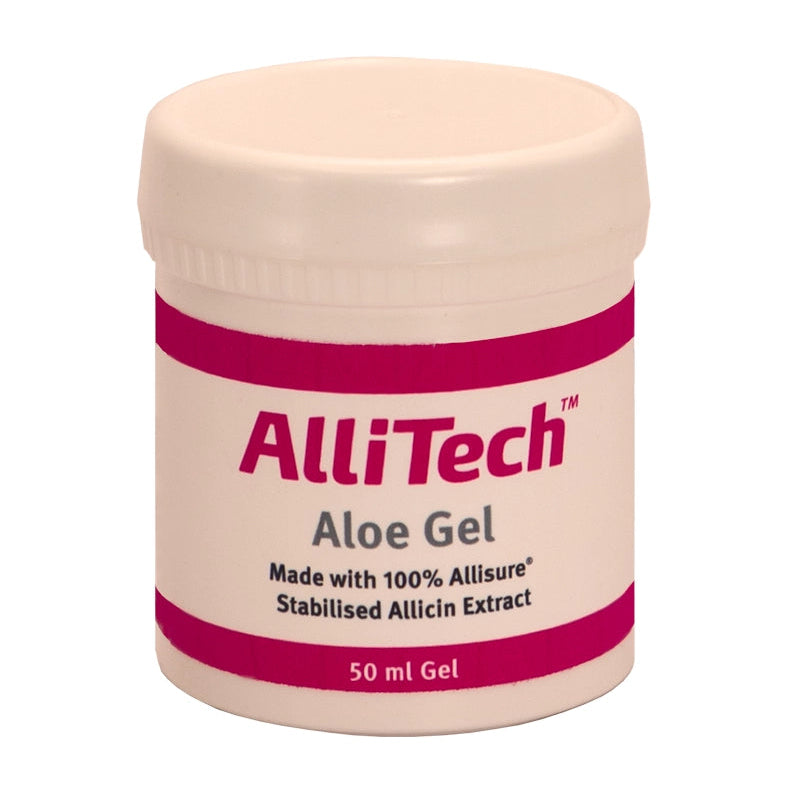
Actionable advice: Yes for minor cuts and scrapes after you clean the area with cool running water and gentle soap. Products such as aloe vera based gels (for example, AlliTech Gel) can soothe and protect the skin. Diluted tea tree oil can also help with surface level issues, although it should not be applied neat.
Important: For deep, large, or contaminated wounds, burns, or signs of infection such as spreading redness, heat, pus, fever, or increasing pain, seek medical attention promptly.
Q Q2: How do natural antiseptics differ from pharmaceutical antibiotics?
Science and clarity: Antiseptics act on the surface, for example skin or mouth and throat, to kill or inhibit microbes at the point of contact. Antibiotics are medicines that work within the body for systemic bacterial infections and are prescribed by healthcare professionals.
Many natural compounds, such as stabilised allicin, have a broad spectrum of activity across bacteria, viruses, fungi, and some parasites. They are used for hygiene, first aid, and supportive care. They are not a replacement for antibiotics where these are clinically indicated.
Q Q3: Are essential oils safe to use as a spray antiseptic?
Safety first: Essential oils usually need dilution before skin contact. Most, including tea tree or oregano, are too potent to use neat and can irritate the skin or mucous membranes.
Professionally formulated sprays, such as AlliTech Spray that contains stabilised allicin, are prepared at safe, effective strengths for direct use. Always follow the label directions.
Q Q4: How long does it take for a natural antiseptic to work?
Expectation management: It varies by product and concern. For surface issues such as a sore throat, minor cuts, or athlete’s foot, many people notice relief quickly once the area is cleaned and treated. For internal or persistent concerns where you are using a liquid supplement, support may build over days or weeks.
If symptoms worsen or do not improve, speak to a healthcare professional.
General advice only. Natural products are not a substitute for medical treatment. Consult a healthcare professional for severe or persistent infections, for example MRSA or Lyme disease, or before starting any new supplement regimen, especially if pregnant or breastfeeding.
Research References
Key scientific and clinical sources that informed this article.
Allicin, Garlic & Antimicrobial Research
Mechanistic evidence for allicin’s antimicrobial effects
Synergistic allicin + ivermectin mite-killing effects
Garlic extract antibacterial and antifungal activity
Allicin’s antiviral and antimicrobial biological actions
Bioactive sulphur compounds in garlic and their health effects
Antibiotic Resistance & Public Health Context
WHO: Global antimicrobial resistance overview
UK Government: Antibiotic resistance public health warning
CDC: Antimicrobial resistance in the United States
Tea Tree Oil (Melaleuca) Research
Tea tree oil antimicrobial and antifungal research
Tea tree oil acaricidal and antibacterial activity
Colloidal Silver Safety & Effectiveness
Scientific review of colloidal silver risks and effects
FDA: Colloidal silver safety advisory
Witch Hazel (Hamamelis) Information
Witch hazel phytochemical and medicinal profile
Mount Sinai: Witch hazel uses and safety
General Natural Antiseptic Evidence
Overview of natural antiseptics and antimicrobial agents
Medical News Today: Natural antiseptic research summary