Omega fatty acids are essential nutrients that play an important role in supporting normal bodily functions. Because the body cannot produce them in sufficient amounts on its own, they must be obtained through diet or supplementation. This is why omega supplements such as fish oil, sea buckthorn oil, and plant-based oils have become so widely used as part of everyday nutritional routines.
You may already be familiar with omega-3, but other fatty acids including omega-7, omega-6, and omega-9 are also gaining attention for their distinct nutritional roles. Each omega type works differently in the body, and their benefits depend largely on their source, structure, and how well they are absorbed.
With so many options available, choosing the right omega supplement can feel confusing. Fish oil has a long history of use and research, sea buckthorn offers a unique plant-based source of omega-7, and various plant oils provide alternatives for those following vegetarian or vegan diets. Understanding these differences is key to making an informed decision that suits your individual needs and lifestyle.
At Dulwich Health, we have been supporting informed, responsible supplement choices since 1986 and have helped over 30,000 customers navigate the often complex world of natural health products. This article is designed to provide clear, balanced information on omega supplements to help you understand how fish oil, sea buckthorn oil, and plant-based oils compare. It is intended for educational purposes only and should not be considered medical advice.
What Are Omega Supplements and Why Do People Use Them?
Omega supplements are concentrated sources of essential fatty acids that help support normal nutritional intake when diet alone may not provide consistent or adequate levels. These fatty acids are naturally present in foods such as oily fish, seeds, nuts, berries, and certain plant oils, but modern eating habits, dietary restrictions, and personal preferences can make supplementation a practical option for many people.
The most commonly discussed omega groups are omega-3, omega-6, omega-7, and omega-9. Each plays a different structural and functional role in the body. Omega-3 and omega-6 are considered essential fatty acids because they must be obtained from the diet, while omega-7 and omega-9 are conditionally essential, meaning the body can produce small amounts but may benefit from dietary sources.
People choose omega supplements for a variety of non-medical reasons, including maintaining overall nutritional balance, supporting normal cellular function, and complementing a healthy lifestyle. Some individuals prefer omega supplements because they offer a consistent and measured intake, while others choose them to align with specific dietary choices such as pescatarian, vegetarian, or plant-based diets.
It is important to understand that omega supplements are not intended to treat or prevent disease. Their role is to support normal bodily processes as part of a balanced diet. Individual needs can vary significantly, and factors such as age, lifestyle, dietary intake, and personal tolerance all influence which type of omega supplement may be most appropriate.
By understanding what omega supplements are and why they are used, it becomes easier to explore how different sources, such as fish oil, sea buckthorn oil, and plant-based oils, compare in terms of nutritional focus and suitability.
Omega-3 Fish Oil: Traditional and Well-Researched

What Is Omega-3 Fish Oil?
Omega-3 fish oil is one of the most established and widely recognised omega supplements. It is derived from oily fish and naturally contains two key long-chain omega-3 fatty acids: EPA (eicosapentaenoic acid) and DHA (docosahexaenoic acid). These fatty acids are found in seafood as part of the human diet and have been studied extensively for their nutritional role.
High-quality fish oil supplements typically aim to reflect the natural balance of EPA and DHA found in fish, rather than heavily altering or concentrating these fatty acids through chemical processing. This approach prioritises nutritional integrity and absorption over headline numbers on labels.
The Nutritional Role of EPA and DHA
EPA and DHA contribute to several normal bodily functions when consumed in adequate amounts as part of a balanced diet. Authorised nutrition claims recognise that EPA and DHA contribute to the normal function of the heart, while DHA also contributes to the maintenance of normal brain function and normal vision.
Because the body uses EPA and DHA directly, fish oil is often chosen by people looking for a straightforward and well-understood source of omega-3 fatty acids, without relying on conversion from other omega forms.
Absorption and Natural Triglyceride Form
In whole fish, omega-3 fatty acids occur naturally in triglyceride form. When consumed, they are broken down during digestion into free fatty acids before absorption. Many nutrition professionals consider this natural structure important, as it mirrors how omega-3s are consumed in food.
Some supplements use chemically altered or highly concentrated forms of omega-3. While these may increase EPA or DHA numbers on paper, they are not the form found in nature. For this reason, many people prefer fish oil supplements that retain their natural triglyceride structure.
Quality, Purity, and Sourcing Considerations
Not all fish oil supplements are the same. Quality depends heavily on sourcing, processing, and testing. Responsible manufacturers source fish from cleaner ocean waters and use oil extracted from the flesh rather than the liver, where heavy metals are more likely to accumulate.
Reputable fish oil supplements are screened for contaminants such as heavy metals, PCBs, and other pollutants, and are produced using gentle methods to preserve stability. Taste and freshness also matter, as properly handled fish oil should not leave a strong or unpleasant aftertaste.
Omega-3 fish oil remains a popular choice due to its long history of use, strong scientific understanding, and direct nutritional role. In the next section, we will explore a very different omega source: sea buckthorn oil and its unique omega-7 content.
Omega-7 Sea Buckthorn Oil: A Different Type of Omega Support

What Is Omega-7?
Omega-7 is a lesser known fatty acid compared with omega-3, but it plays a distinct nutritional role in the body. Unlike omega-3 and omega-6, which are commonly associated with cardiovascular and dietary balance, omega-7 is primarily linked to the structure and function of mucous membranes and skin tissues.
Small amounts of omega-7 can be produced naturally by the body, but dietary sources are limited. This is one reason why interest in omega-7 supplements has grown in recent years, particularly among people looking for nutritional support related to comfort, hydration, and tissue integrity.
Sea Buckthorn as a Natural Source of Omega-7
Sea buckthorn is one of the richest natural sources of omega-7 found in nature. The oil is extracted from both the berries and seeds of the plant, providing a unique fatty acid profile that includes omega-7 alongside omega-3, omega-6, and omega-9.
In addition to its fatty acid content, sea buckthorn naturally contains antioxidants, including vitamins A, C, E, and K. This combination makes it nutritionally distinct from marine-based omega supplements and many standard plant oils.
Nutritional Role and Areas of Interest
Omega-7 is a structural fatty acid that contributes to the maintenance of normal mucous membranes and skin surfaces. For this reason, it is often chosen by individuals looking to support areas of the body where moisture and barrier function are important, such as the eyes, mouth, skin, and other mucosal tissues.
Sea buckthorn oil has been the subject of clinical research exploring its role in supporting comfort and hydration of mucous membranes. When discussed responsibly, this research is presented in terms of supporting normal function rather than treating symptoms or conditions.
Who May Consider Omega-7 Supplements?
Omega-7 supplements are often considered by people seeking an alternative or complementary omega source to fish oil, particularly those who prefer a plant-based option or are interested in the specific nutritional profile of sea buckthorn.
As with all omega supplements, individual needs vary. Omega-7 is not a replacement for omega-3, but rather a different type of fatty acid that supports different aspects of normal bodily function. Understanding this distinction helps set realistic expectations and encourages informed supplement choices.
In the next section, we will look at plant-based omega oils more broadly, including flaxseed, chia, and algal oils, and how they compare nutritionally with fish oil and sea buckthorn oil.
Plant-Based Omega Oils: Flaxseed, Algae, and Other Sources

Common Plant-Based Omega Sources
Plant-based omega supplements are derived from seeds, nuts, and algae rather than marine or animal sources. Some of the most common include flaxseed oil, chia seed oil, hemp seed oil, and algal oil. These options are particularly popular with vegetarians and vegans, as well as those who prefer to avoid fish-based products.
Each plant source offers a different omega profile, meaning the type and balance of fatty acids can vary significantly depending on the oil used.
ALA and the Conversion Question
Most seed-based plant oils provide omega-3 in the form of ALA (alpha-linolenic acid). While ALA is an essential fatty acid, the body must convert it into EPA and DHA before it can be used in the same way as fish-derived omega-3s. This conversion process is limited and varies between individuals, influenced by factors such as age, diet, and overall metabolic health.
Algal oil is an exception among plant-based options, as it naturally contains DHA and sometimes EPA. This makes it a closer nutritional alternative to fish oil for those seeking a direct source of these fatty acids without using marine animals.
Nutritional Role and Practical Considerations
Plant-based omega oils can play a valuable role in supporting general nutritional intake, particularly for those following plant-focused diets. They also provide omega-6 and omega-9 fatty acids, which are naturally present in many whole foods and contribute to normal cellular structure.
However, balance is important. Many modern diets already contain high levels of omega-6, so choosing an omega supplement should take existing dietary patterns into account rather than focusing on a single nutrient in isolation.
Who May Choose Plant-Based Omega Supplements?
Plant-based omega supplements are often chosen for ethical, dietary, or tolerance reasons. They may suit individuals who do not consume fish, are sensitive to fish oil, or want to diversify their sources of dietary fats.
Understanding the form of omega provided, particularly whether it is ALA, DHA, or EPA, helps ensure expectations are realistic and aligned with nutritional needs.
In the next section, we will bring all three omega sources together and compare fish oil, sea buckthorn oil, and plant-based oils side by side to highlight their key differences and typical uses.
Comparing Fish Oil, Sea Buckthorn Oil, and Plant-Based Omega Oils
Understanding the differences between omega supplements becomes much easier when they are viewed side by side. Fish oil, sea buckthorn oil, and plant-based omega oils each provide distinct fatty acids and are typically chosen for different nutritional reasons. None is inherently “better” than the others. Their suitability depends on individual dietary habits, preferences, and areas of nutritional focus.
Comparing Omega Supplements
A simple, side-by-side look at fish oil, sea buckthorn oil, and plant-based omega oils.
| Feature | Fish Oil (Omega-3) | Sea Buckthorn Oil (Omega-7) | Plant-Based Omega Oils |
|---|---|---|---|
| Primary fatty acids | EPA and DHA | Omega-7 plus omega-3, 6 and 9 | ALA, omega-6, omega-9, or DHA (algal) |
| Source | Marine (oily fish) | Plant (sea buckthorn berries and seeds) | Seeds, nuts, and algae |
| Conversion required | No (EPA/DHA are ready to use) | No (omega-7 does not require conversion) | Often yes for ALA; no for algal DHA |
| Typical nutritional focus | General omega-3 nutrition support | Support for normal mucous membranes and skin | Vegan-friendly omega intake and balance |
| Suitable for | Pescatarians and fish consumers | Plant-based or mixed diets | Vegetarians and vegans |
How These Differences Affect Choice
Fish oil is often chosen for its direct supply of EPA and DHA, which are well understood and widely recognised for their nutritional role. Because these fatty acids are already in a form the body can use, fish oil remains a common choice for general omega-3 supplementation.
Sea buckthorn oil offers a different nutritional focus. Its omega-7 content supports normal structure and hydration of mucous membranes and skin, making it nutritionally distinct from both fish oil and seed-based plant oils. It is often viewed as complementary rather than interchangeable with omega-3 supplements.
Plant-based omega oils provide flexibility for those who avoid animal products. However, understanding whether a product contains ALA or DHA is important, as this affects how the body uses the fatty acids provided.
Complementary, Not Competitive
It is worth noting that these omega sources are not mutually exclusive. Some people choose to use more than one type of omega supplement to support different aspects of normal nutrition, while others focus on a single source that best fits their lifestyle.
By comparing omega supplements in this way, it becomes clear that informed choice relies on understanding fatty acid types, sources, and how they function in the body, rather than relying on marketing claims or single-nutrient headlines.
In the next section, we will explore how to choose the right omega supplement based on personal needs, dietary preferences, and practical considerations.
Choosing the Right Omega for Your Needs
With the basics covered, the next step is turning information into a practical choice. The “best” omega supplement is the one that fits your diet, preferences, and what you are trying to support nutritionally, without expecting any supplement to do more than it reasonably can.
1. Start with your diet and lifestyle
If you regularly eat oily fish (such as salmon, sardines, mackerel, or anchovies), you may already be getting meaningful amounts of omega-3s through food. In that case, a supplement might be more about consistency, convenience, or topping up intake when your diet is less predictable.
If you follow a vegetarian or vegan diet, plant-based omega options can be a better match, particularly those that align with your ethical choices and digestion preferences.
2. Decide which omega type you want to prioritise
Different omega sources tend to serve different nutritional aims:
-
Fish oil (omega-3 EPA and DHA) is often chosen by people looking for a direct source of EPA and DHA, which are naturally found in seafood and are well understood nutritionally.
-
Sea buckthorn oil (omega-7 plus 3, 6 and 9) is typically chosen by people who want a plant-based omega profile with a particular focus on omega-7, alongside naturally occurring antioxidants.
-
Plant oils (often omega-3 as ALA, plus 6 and 9) are commonly used by those who want a plant-first approach, especially when fish-based supplements are not suitable.
A helpful way to think about it is that fish oil tends to be “omega-3 focused”, sea buckthorn is “omega-7 led”, and plant oils are “diet-aligned alternatives”, with algal oil standing out as the plant option that can provide DHA directly.
3. Consider tolerance, taste, and routine
Even high-quality omega supplements are only useful if you can take them consistently.
-
If you find fish oil repeats on you, look for products designed to reduce aftertaste (for example, natural flavouring) and focus on freshness and stability.
-
If you are sensitive to certain oils, start with a lower amount and take with food, unless the product label advises otherwise.
-
If you prefer simple routines, choose the option that fits your day without effort, such as one you can take alongside breakfast.
4. Look at quality markers, not just headline numbers
It is tempting to choose the product with the biggest omega number on the label, but quality often matters more than concentration. In practice, many people prefer supplements that focus on:
-
Responsible sourcing
-
Testing for impurities (where relevant)
-
Stable storage formats
-
Clear labelling and consistent manufacturing standards
These factors can influence freshness, reliability, and how confidently you can use a product as part of a long-term routine.
5. Know when to seek personalised advice
If you are pregnant, breastfeeding, taking medication, managing a diagnosed condition, or have been advised to limit certain nutrients, it is sensible to check with a pharmacist or healthcare professional before starting a new supplement. This is especially important if you are considering combining multiple omega products.
In the next section, we will look at why quality and manufacturing standards matter for omega supplements, including what to look for when choosing a brand you can trust.
Why Quality Matters With Omega Supplements
When it comes to omega supplements, quality is not a marketing extra. It plays a central role in how reliable, stable, and suitable a product is for regular use. Two omega supplements may look similar on the surface, yet differ significantly in sourcing, manufacturing, and how well they hold up over time.
Sourcing and raw material selection
High-quality omega supplements begin with carefully selected raw materials. For fish oil, this means using fish from cleaner waters and extracting oil from the flesh rather than the liver, where unwanted substances are more likely to accumulate. For plant-based oils, it means selecting botanicals that are harvested at the right time and processed in a way that preserves their natural fatty acid profile.
Responsible sourcing also helps ensure consistency, so each capsule or dose delivers what the label states, without unexpected variation.
Purity and stability
Omega fatty acids are sensitive to heat, light, and oxygen. Poorly handled oils can oxidise, leading to reduced freshness and, in some cases, an unpleasant taste or smell. This is why reputable manufacturers place strong emphasis on purification, gentle processing, and protection from environmental exposure.
Packaging plays a part here too. Formats that reduce contact with air and light can help maintain stability throughout the product’s shelf life, offering greater confidence that the supplement remains fit for use until the end of the pack.
Bioavailability and formulation
Bioavailability refers to how effectively a nutrient can be absorbed and used by the body. With omega supplements, this is influenced by the form of the fatty acids, the quality of the oil, and how it is processed.
Supplements that aim to preserve the natural structure of fatty acids often prioritise nutritional integrity over artificially inflated numbers. This approach aligns more closely with how omega fats are consumed in whole foods and can be an important consideration for those looking for a food-based rather than highly modified supplement.
Manufacturing standards and consistency
Manufacturing standards are another key marker of quality. Supplements produced under pharmaceutical-grade or GMP conditions are subject to tighter controls, helping to ensure batch-to-batch consistency, accurate labelling, and reliable safety checks.
For consumers, this translates into trust. Knowing that a supplement is made under recognised standards makes it easier to use as part of a long-term wellness routine, rather than as a short-term experiment.
Quality as a long-term consideration
Ultimately, omega supplements are not something most people take once or twice. They are usually intended for ongoing use as part of everyday nutrition. Choosing quality from the outset can make that routine more sustainable, more comfortable, and more reassuring.
In the next section, we will look more closely at Dulwich Health’s approach to omega supplements and how experience, careful brand selection, and transparency support informed choices.
Dulwich Health’s Approach to Omega Supplements
At Dulwich Health, omega supplements are approached with the same principles that guide all product selection: quality, transparency, and long-term trust. Rather than focusing on trends or exaggerated claims, the emphasis is on providing well-made supplements that support informed, responsible choices.
Experience built over decades
Dulwich Health has been supporting customers with natural health products since 1986. Over that time, the needs, questions, and expectations of customers have evolved, but the underlying goal has remained the same: to make reliable, clearly explained supplements available to people who want to take an active role in their wellbeing. Having served over 30,000 customers, this experience helps shape a practical, real-world understanding of what people look for in omega supplements.
Carefully chosen omega products
Not all omega supplements meet the same standards. Dulwich Health focuses on working with manufacturers that prioritise pharmaceutical-grade production, ingredient quality, and clear scientific documentation such as Pharma Nord. Two flagship omega products illustrate this approach:
-
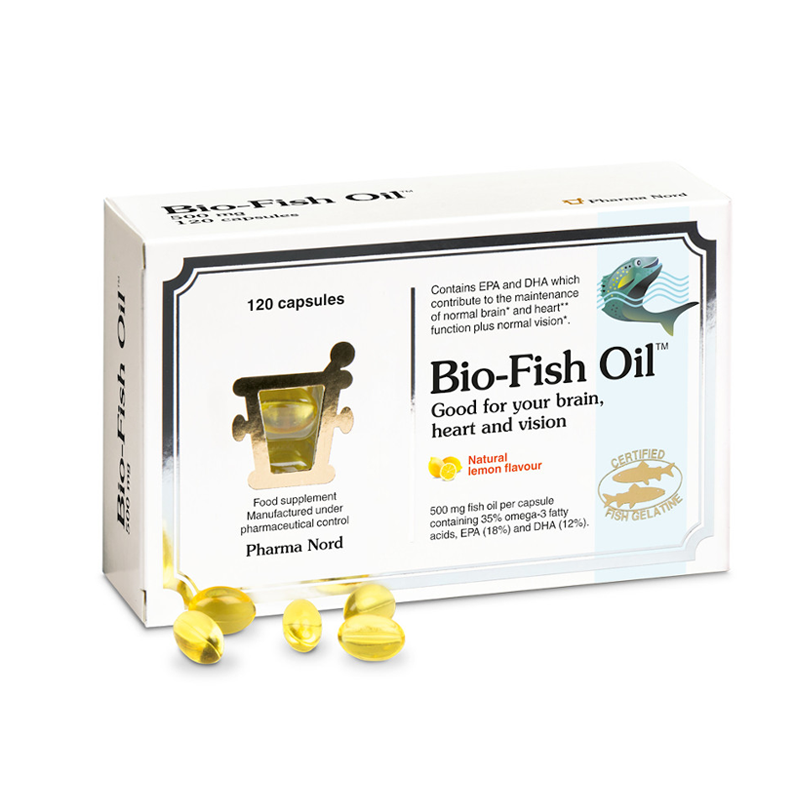
Bio-Fish Oil 120 Capsules Omega-3 Heart Health Supplement
This product provides pure fish oil with naturally balanced EPA and DHA omega-3s in their triglyceride form. The oil comes from carefully sourced fish from cleaner waters, is screened for heavy metals and impurities, and is naturally flavoured with lemon to reduce aftertaste. It is designed for people seeking a well-understood source of omega-3s that contributes to normal heart function, normal vision, and normal brain function. -
Pharma Nord BioActive Omega 7 Sea Buckthorn Oil – Dry Skin & Eyes
This supplement delivers pure sea buckthorn oil rich in omega-7 along with omega-3, omega-6, and omega-9 fatty acids, plus naturally occurring antioxidants such as vitamins A, C, E, and K. It is crafted for people interested in nutritional support for normal skin comfort and mucous membranes, including eyes, mouth, and other tissues where moisture and structural integrity are important to everyday wellbeing.
Both products reflect Dulwich Health’s commitment to pharmaceutical-grade manufacturing standards, careful sourcing, and consistent ingredient content. They are selected not because they are trendy, but because they each serve a distinct and clearly explainable role in nutritional supplementation.
Education before promotion
A core part of Dulwich Health’s approach is education. Omega supplements are complex, and it is easy for confusion to arise around fatty acid types, sources, and claims. By providing balanced, evidence-aware information, the aim is to help customers understand what a product can reasonably support and what it cannot.
This educational focus supports realistic expectations and encourages supplements to be used as part of a broader lifestyle that includes a varied diet and appropriate professional guidance where needed.
Trust, consistency, and accountability
Trust is built over time through consistency. Clear labelling, accurate descriptions, and responsible language all play a part in maintaining that trust. Dulwich Health avoids overstating benefits and instead aligns product information with established nutritional understanding and authorised claim language.
This approach supports long-term relationships with customers, where omega supplements are viewed not as quick fixes, but as well-made options within a wider approach to everyday nutrition.
In the final section, we will summarise the key differences between fish oil, sea buckthorn oil, and plant-based omega oils, and reinforce how informed choice plays a central role in using omega supplements responsibly.
Making an Informed Choice About Omega Supplements
Omega supplements are not one-size-fits-all. Fish oil, sea buckthorn oil, and plant-based omega oils each offer different fatty acids, come from different sources, and support different aspects of normal nutrition. Understanding these distinctions helps set realistic expectations and encourages more confident, informed choices.
Fish oil remains a well-established option for those seeking a direct source of EPA and DHA, fatty acids that are naturally found in oily fish and widely understood in nutritional science. Sea buckthorn oil offers a plant-based alternative with a unique omega-7 profile, alongside other omegas and naturally occurring antioxidants, making it nutritionally distinct rather than interchangeable. Plant-based omega oils provide flexibility for vegetarian and vegan diets, with algal oil standing out as a direct plant source of DHA.
Rather than asking which omega supplement is “best”, a more helpful question is which option best fits your diet, preferences, and nutritional priorities. Some people choose a single omega source, while others use different omegas at different times to complement their overall intake. What matters most is clarity, quality, and suitability for long-term use.
At Dulwich Health, the focus is on supporting informed decisions through clear information, careful product selection, and responsible communication. With over 35 years of experience and more than 30,000 customers served, the aim is not to promote supplements as solutions, but to offer well-chosen options that can sit sensibly alongside a balanced diet and healthy lifestyle.
As with any supplement, if you have specific health concerns, are taking medication, or are unsure which option is right for you, it is always sensible to seek advice from a qualified healthcare professional.
Omega Supplements FAQ
Click a question to reveal the answer. Information only, not medical advice.
What is the difference between omega-3 and omega-7?
Omega-3 and omega-7 are different fatty acids with different nutritional roles. Omega-3 supplements are commonly used to provide EPA and DHA, which are naturally found in oily fish. Omega-7 is less widely found in food and is often sourced from sea buckthorn. It is typically chosen by people interested in supporting the normal function and comfort of mucous membranes and skin as part of overall wellbeing.
Is fish oil the same as eating oily fish?
Not exactly. Oily fish provides omega-3s alongside protein and other nutrients. Fish oil supplements provide a more measured amount of omega-3 fatty acids, which some people use for consistency when they do not eat oily fish regularly. Supplements are intended to complement a balanced diet, not replace it.
What does “EPA and DHA contribute to normal heart function” mean?
This is an authorised nutrition claim used for omega-3 fatty acids. It means EPA and DHA have a recognised role in supporting the normal function of the heart when consumed in adequate amounts as part of a balanced diet. It does not mean omega-3 supplements treat or prevent heart conditions.
Can I take fish oil and sea buckthorn oil together?
Some people choose to use more than one omega source because they offer different fatty acid profiles. If you are considering combining supplements, follow the product directions and consider getting advice from a pharmacist or healthcare professional, particularly if you are pregnant, breastfeeding, taking medication, or managing a diagnosed condition.
How do I choose between fish oil and plant-based omega oils?
Fish oil naturally provides EPA and DHA. Many plant oils provide omega-3 as ALA, which the body must convert into EPA and DHA, and this conversion varies between individuals. If you want a plant-based option that provides DHA directly, algal oil is often used. The right choice depends on your diet, preferences, and what you are aiming to support nutritionally.
What should I look for in a high-quality omega supplement?
Look for clear sourcing information, quality-controlled manufacturing standards (such as GMP), and sensible product details that focus on purity, stability, and consistent ingredient content. For fish oil, screening for contaminants is an important quality marker. For all omega oils, freshness and protection from light and oxygen can help maintain stability.
Who should check with a healthcare professional before taking omega supplements?
It is sensible to check with a healthcare professional if you are pregnant or breastfeeding, taking medication (including blood-thinning medicines), preparing for surgery, or have a diagnosed medical condition. This helps ensure supplementation is appropriate for your personal circumstances.