Tonsillitis is a common condition that affects both children and adults, usually causing a sore throat, swollen tonsils, difficulty swallowing, and general discomfort. In many cases it is triggered by a viral infection, which means it often improves on its own with rest and supportive care. When symptoms strike, most people look for gentle, natural ways to feel more comfortable while their body recovers.
In recent years there has been growing interest in natural remedies backed by credible scientific studies. Many everyday ingredients contain compounds that have been shown to soothe irritated throat tissue, support the body’s natural defences, or offer mild antimicrobial or anti-inflammatory properties. While these options cannot treat or cure tonsillitis, some evidence suggests they may help ease discomfort and support overall relief alongside standard self care.
This guide brings together natural approaches with peer-reviewed research behind them, from well-known choices like honey and ginger to evidence-supported ingredients such as liquorice root and garlic-derived allicin. It also includes clinically recommended steps like salt water gargling, staying hydrated, and resting the voice. As always, tonsillitis can sometimes require medical assessment, so it is important to recognise when to seek professional advice.
The aim of this article is simple: to help you explore safe, science-backed natural ways to support tonsillitis relief while ensuring your wellbeing remains the top priority.
Key Takeaways: Natural Support For Tonsillitis Relief
Evidence informed steps to soothe symptoms and support your body while it recovers.
- Most tonsillitis is viral and improves on its own, so natural remedies are best used to support comfort rather than as a replacement for medical care.
- Honey, ginger, turmeric, peppermint and garlic (allicin) all have scientific research behind their soothing, anti inflammatory or antimicrobial properties.
- Simple clinical advice still matters: gargling warm salt water, staying hydrated, resting, and using a humidifier can make a real difference to day to day comfort.
- Liquorice root, slippery elm and echinacea may offer extra support, especially when used as part of a wider, balanced self care routine.
- Always seek medical advice if symptoms are severe, keep returning or make swallowing or breathing difficult.
What Causes Tonsillitis?

Tonsillitis occurs when the tonsils become inflamed due to an infection. The tonsils are part of the body’s immune system and act as a first line of defence against germs entering through the mouth and nose. When they detect bacteria or viruses, they respond by activating immune cells, which can lead to swelling and discomfort.
Most cases of tonsillitis are caused by viral infections, including common viruses such as adenovirus, influenza, and Epstein-Barr virus. Viral tonsillitis typically resolves on its own with rest, hydration, and supportive care. In other cases, tonsillitis may be caused by bacterial infections, with Group A Streptococcus being the most common. Bacterial tonsillitis can require medical assessment and, in some situations, antibiotic treatment.
The symptoms of tonsillitis can vary but often include a sore throat, swollen tonsils, difficulty swallowing, fever, and tender glands in the neck. These symptoms arise because the tonsils are working to combat the infection, leading to inflammation and increased sensitivity.
Understanding the underlying causes helps to explain why certain natural remedies may offer supportive benefits. Ingredients with anti-inflammatory, soothing, or mild antimicrobial properties can help ease throat irritation and support comfort while the body’s immune system addresses the infection. It also reinforces the importance of combining any natural approaches with rest and clinically recommended self-care techniques.
Natural Remedies With Scientific Support

Honey
Honey has been used for centuries as a natural remedy for sore throats, and modern research supports many of its traditional uses. Scientific studies have shown that honey possesses antimicrobial, anti-inflammatory, and soothing properties. These benefits come from its natural enzymes, low pH, and unique compounds such as hydrogen peroxide which contribute to inhibiting certain microbes in laboratory settings.
Clinical research has also demonstrated honey’s ability to ease coughing and throat irritation. Several randomised controlled trials have found that honey can help reduce coughing frequency and improve sleep quality in individuals with upper respiratory discomfort. This soothing effect can be especially helpful during tonsillitis, where throat irritation and dryness often make symptoms feel worse.
Honey is easy to incorporate into daily self-care. It can be taken on its own, stirred into warm herbal tea, or mixed with lemon to add a comforting layer of relief. It is important to note that honey should not be given to children under 1 year of age due to the risk of infant botulism, but it is considered safe for older children and adults.
While honey does not treat the underlying infection, its gentle, well-researched properties make it one of the most reliable natural ways to help soothe the throat and support overall comfort during tonsillitis.
Ginger
Ginger is a widely used natural ingredient known for its distinctive flavour and long history in traditional medicine. Scientific research supports many of its properties, particularly relating to inflammation and throat comfort. Ginger contains active compounds such as gingerols and shogaols, which have been studied for their potential to reduce inflammation and influence the body’s response to irritation.
Laboratory studies have shown that ginger extracts can exhibit antimicrobial activity against certain bacteria and viruses, although these effects are primarily observed in controlled research settings rather than direct clinical trials on tonsillitis. However, human studies investigating ginger’s impact on inflammation suggest it may help support general throat comfort during upper respiratory discomfort.
Ginger is also commonly used to soothe nausea and support digestion, which can be beneficial when tonsillitis affects appetite or overall wellbeing. It can be enjoyed in several forms, including fresh ginger tea, ginger-infused warm water, or added to soups and herbal blends. Many people find warm ginger drinks particularly comforting, as the heat itself can help ease throat irritation.
Although ginger is not a treatment for tonsillitis, the research supporting its anti-inflammatory and soothing effects makes it a practical natural option to help support overall comfort while resting and recovering.
Turmeric (Curcumin)
Turmeric has gained significant attention in scientific research due to its active compound curcumin, which has been widely studied for its anti-inflammatory and antioxidant properties. Curcumin is known to influence inflammatory pathways in the body, and clinical studies have explored its potential role in reducing discomfort associated with inflammation.
Although turmeric is not a treatment for tonsillitis, the research surrounding curcumin suggests it may help support general throat comfort when inflammation is present. Several human and laboratory studies have shown that curcumin can modulate inflammatory responses, which may help explain why many people find turmeric-based drinks soothing during episodes of throat irritation.
Turmeric is often consumed as a warm drink, such as turmeric tea or the popular turmeric milk. The warmth of the liquid can help soothe the throat, while the curcumin provides additional supportive benefits. It is worth noting that curcumin is not easily absorbed by the body on its own, but absorption can improve when it is consumed with a small amount of black pepper, which contains piperine.
Turmeric is generally considered safe for most people when used in culinary amounts. As with all natural remedies, it should be used as part of supportive self-care rather than as a replacement for medical assessment when symptoms are severe or long-lasting.
Peppermint (Menthol)
Peppermint is a common natural remedy for throat discomfort, and its cooling effect is largely due to menthol, one of its main active compounds. Menthol has been studied for its soothing and mild analgesic properties, which can help create a sensation of relief when the throat feels irritated or inflamed.
Scientific research has shown that menthol can activate cold-sensitive receptors in the throat, producing a cooling effect that many people find comforting during upper respiratory symptoms. Some studies have also explored peppermint’s antimicrobial potential in laboratory settings, suggesting that peppermint oil may inhibit certain microbes, although this evidence does not translate directly into a treatment for tonsillitis.
Peppermint can be enjoyed in several safe and accessible forms. Warm peppermint tea is a popular choice, offering both hydration and comfort. Some people find relief from inhaling peppermint-infused steam, which can help ease general nasal and throat discomfort, though it should be done cautiously to avoid burns. Peppermint lozenges can also provide temporary soothing effects through the release of menthol.
While peppermint does not address the underlying cause of tonsillitis, the cooling and comforting effects of menthol, together with its well-documented sensory benefits, make it a helpful natural option for supporting symptom relief.
Cayenne Pepper (Capsaicin)
Cayenne pepper contains capsaicin, a compound that has been widely studied for its effects on pain perception and inflammation. Capsaicin works by interacting with receptors responsible for sensing heat and discomfort, and repeated exposure can reduce the intensity of pain signals. This mechanism is the basis for the use of capsaicin in certain topical pain-relief products.
While cayenne pepper is not a treatment for tonsillitis, research suggests that capsaicin may help modulate discomfort, which can be useful when throat pain is one of the main symptoms. Some studies have also explored its potential effects on circulation and inflammation, although most clinical research focuses on topical applications rather than ingestion. Even so, warm drinks or gargles containing small, safe amounts of cayenne pepper are traditionally used to provide temporary soothing effects through increased warmth and stimulation of the throat area.
Cayenne pepper must be used with care, as too much can cause irritation, particularly when the throat is already sensitive. A common approach is to mix a very small pinch of cayenne pepper with warm water, honey, or herbal tea to create a gentle warming sensation without overwhelming the throat.
Although scientific evidence supports capsaicin’s role in influencing pain pathways, it should always be used in moderation. For many people, the warming effect of cayenne pepper offers a simple natural option that may help support overall throat comfort during recovery.
Slippery Elm
Slippery elm is a traditional herbal remedy that has been used for generations to soothe throat irritation. Its main benefit comes from its high mucilage content, a gel-like substance that becomes slippery when mixed with water. Although research on slippery elm is not as extensive as for some other remedies, the available evidence supports its role as a soothing agent rather than a treatment for infection.
Mucilage coats the throat and creates a protective, calming layer over irritated tissues. This effect can help ease the scratchy, dry, or painful sensations that often accompany tonsillitis. Some small clinical investigations and herbal monographs have noted the usefulness of mucilage-containing herbs for relieving irritation of the mouth and throat, giving slippery elm a place within evidence-informed natural self-care.
Slippery elm is typically enjoyed as a warm tea, lozenge, or powder mixed with water. Many people find the gentle coating sensation offers noticeable comfort, especially when swallowing becomes difficult.
Although slippery elm does not address the cause of tonsillitis and the research base is more limited compared to ingredients like honey or ginger, the soothing effect of its mucilage is well recognised. When used as part of broader supportive care, it can help ease throat discomfort safely and naturally.
Liquorice Root
Liquorice root has a long history of use in traditional herbal medicine, and modern research supports several of its properties, particularly those related to soothing the throat. Liquorice root contains compounds such as glycyrrhizin and flavonoids, which have been studied for their anti-inflammatory and antimicrobial potential in both laboratory and clinical contexts.
One of the most notable areas of research involves the use of liquorice root as a gargle. Clinical studies, including trials with postoperative patients experiencing throat discomfort after intubation, have found that liquorice root gargles can help ease irritation and support greater throat comfort. While these trials do not focus on tonsillitis specifically, they do provide evidence that liquorice root may soothe inflamed throat tissue.
Liquorice root can be consumed in several forms, with warm liquorice tea being one of the most popular. However, it is important to use it responsibly. Liquorice root containing natural glycyrrhizin can affect blood pressure and certain medications if taken in excess or used long-term. Deglycyrrhizinated liquorice (DGL) is a gentler alternative often used specifically for throat and digestive comfort.
When used sensibly and in moderation, liquorice root offers a science-supported way to help soothe throat irritation and support comfort while the body recovers.
Echinacea
Echinacea is a well-known herbal supplement often used to support the immune system. Scientific interest in echinacea has grown over recent decades, and several studies have explored its potential to influence immune responses and support the body during periods of upper respiratory discomfort.
Research into echinacea suggests that certain species and extract types may help modulate immune activity, with some laboratory and clinical studies showing antiviral or antibacterial potential. Although research findings vary and not all studies agree, the overall evidence indicates that echinacea may offer supportive benefits for general immune health rather than acting as a treatment for tonsillitis itself.
Human studies investigating echinacea for colds and upper respiratory symptoms show mixed but promising results, with some trials reporting reduced symptom severity or shorter durations. These findings suggest that while echinacea is not a direct remedy for tonsillitis, it may be used as part of broader supportive care when the body is fighting an infection.
Echinacea is available as tea, tincture, capsules, and liquid extracts. As with many herbal supplements, consistency and product quality matter, so choosing reputable sources is important. It is also advisable for individuals with autoimmune conditions or those taking immunosuppressive medication to seek guidance before using echinacea.
When used appropriately, echinacea offers a science-informed option that may help support the body’s natural defences during throat discomfort.
Garlic (Allicin)
Garlic has been valued for centuries for its natural properties, and modern scientific research has helped to explain why. One of the most important active compounds in garlic is allicin, which forms when fresh garlic is crushed or chopped. Allicin has been widely studied for its antimicrobial activity, showing the ability to inhibit a range of bacteria, viruses, and fungi in laboratory settings.
While garlic is not a treatment for tonsillitis, the research surrounding allicin suggests it may help support the body’s natural defences during periods of throat discomfort. Some studies have explored the potential role of garlic or allicin-containing supplements in supporting immune health, with findings indicating that allicin can influence microbial activity and may help the body respond to infections more effectively. These studies are not specific to tonsillitis, but they highlight why garlic is often included in natural approaches to upper respiratory wellness.
Garlic can be consumed fresh, added to meals, or taken in professionally produced supplements that provide stabilised forms of allicin. Warm drinks containing garlic, lemon, and honey are also a popular choice for supporting comfort during throat irritation, although the flavour may not appeal to everyone.
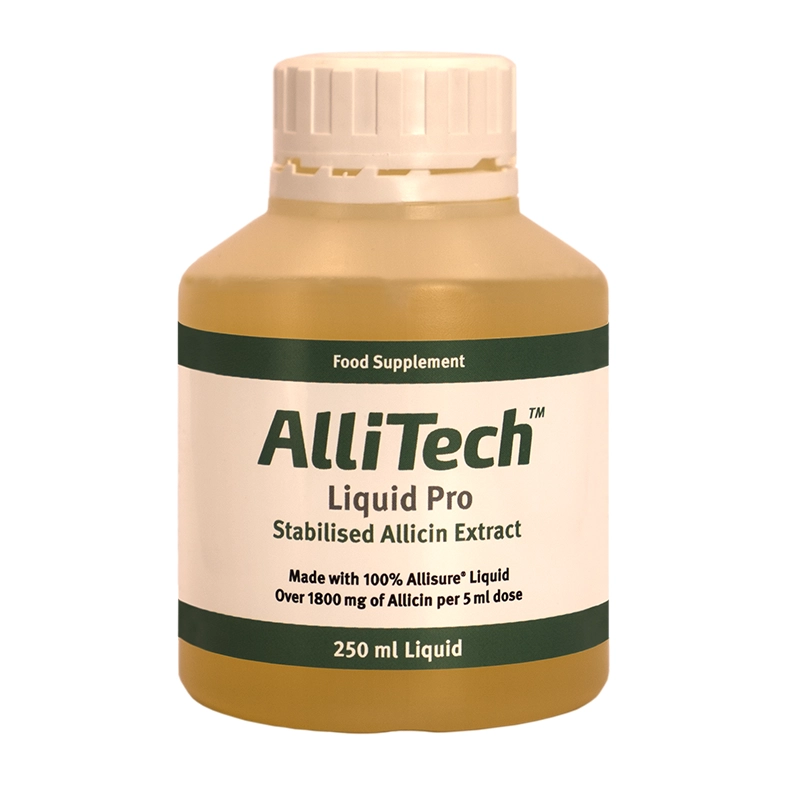
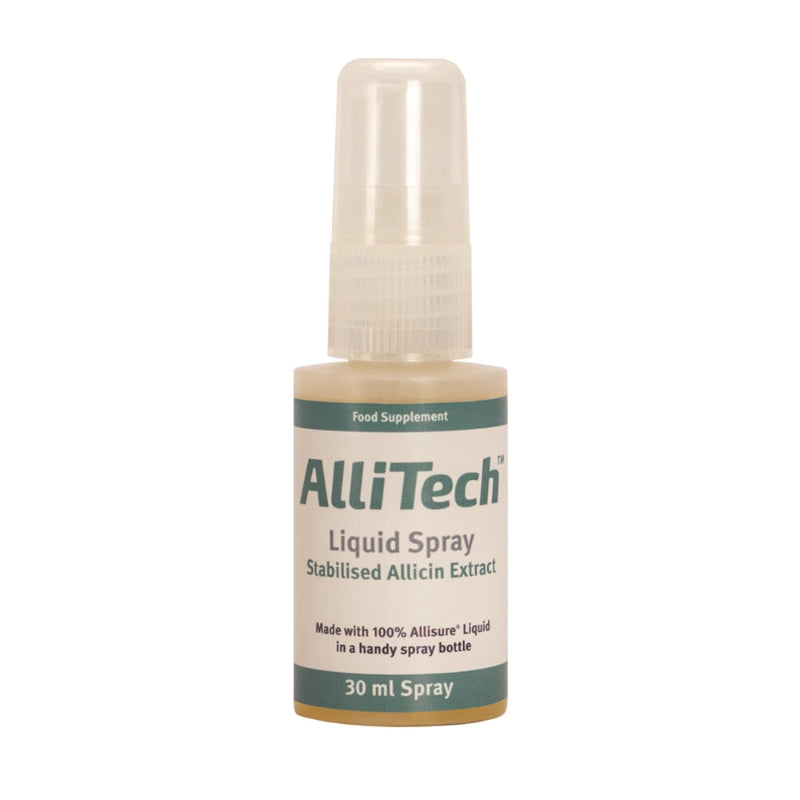
For individuals who prefer a concentrated form of allicin, there are specialised supplements available that aim to provide consistent and measurable levels of this compound. These can offer an easier way to benefit from allicin without the taste of raw garlic. As with all supplements, choosing reputable providers is important for quality and safety.
Used alongside rest, hydration, and other supportive steps, garlic’s well-researched properties make it a valuable natural option for those looking to support throat comfort during tonsillitis.
Lemon and Lime (Vitamin C Source)
Lemon and lime are well known for their high vitamin C content, and vitamin C has been widely studied for its role in supporting normal immune function. Although vitamin C does not treat tonsillitis, research shows that it contributes to the body’s natural defences and may help reduce oxidative stress during periods of illness.
Human studies examining vitamin C and respiratory health suggest that regular intake can support immunity and may help reduce the duration or severity of common cold symptoms for some individuals. These findings do not directly apply to tonsillitis, but they help to explain why lemon and lime are commonly included in natural self-care routines for throat discomfort.
In addition to their nutritional value, lemon and lime can provide practical comfort. Their natural acidity can help cut through mucus, making the throat feel fresher, while the flavour can encourage fluid intake, which is essential during tonsillitis. Warm lemon water with honey is a popular choice, combining hydration with soothing and antioxidant benefits.
Lemon and lime are easy to incorporate into drinks, teas, or soups, making them a simple, accessible way to support hydration and wellbeing while the body recovers.
Science-Backed Ways to Support General Symptom Relief
In addition to natural ingredients with supportive research, several simple self-care measures are backed by strong clinical guidance. These approaches do not treat the underlying cause of tonsillitis, but they can make symptoms easier to manage while the body recovers. Many of these recommendations are consistent with NHS advice and supported by research on upper respiratory comfort.
Gargle With Warm Salt Water
Gargling with warm salt water is one of the most widely recommended ways to ease throat discomfort. Clinical guidance supports its ability to help reduce swelling, loosen mucus, and soothe irritated tissues. Saline solutions can also create an environment that is less favourable for certain microbes, contributing to a cleaner, calmer throat. A simple mixture of half a teaspoon of salt dissolved in warm water can be used several times a day.
Stay Hydrated
Proper hydration is essential during tonsillitis. Drinking enough fluids helps keep the throat moist, reduces dryness, and supports overall comfort. Research consistently shows that hydration plays an important role in supporting normal immune function. Water, herbal teas, broths, and diluted fruit drinks are all effective options. Avoiding dehydrating beverages such as alcohol or excessive caffeine is also beneficial.
Get Plenty of Rest
Rest allows the body to focus its energy on recovery. Scientific studies on immune function show that lack of sleep can weaken the body’s natural defences, while adequate rest helps support the normal immune response. Taking time off strenuous activities, prioritising sleep, and allowing the body to heal are key steps in managing tonsillitis symptoms.
Use a Humidifier
Dry air can make throat discomfort worse. A humidifier adds moisture to the air, helping to ease irritation in the throat and nasal passages. Studies have found that humidity can support greater comfort during upper respiratory issues. Placing a humidifier in the bedroom, especially at night, can help maintain moisture levels and reduce dryness.
Warm or Cold Compresses
Applying a warm or cold compress to the neck area can help relieve discomfort. A warm compress can relax tense muscles and support comfort, while a cold compress may help reduce swelling. Although simple, this technique is often recommended by clinicians for easing throat-related discomfort.
Warm Herbal Teas
Warm herbal teas provide hydration and a soothing effect. Ingredients like ginger, peppermint, liquorice root, and lemon can offer additional supportive benefits. The warmth of the tea helps relax the throat and may temporarily ease irritation. Drinking these teas slowly can provide ongoing comfort throughout the day.
Eat Soft Foods
Swallowing can be painful during tonsillitis, so soft foods help reduce irritation. Soups, yoghurt, porridge, smoothies, and mashed vegetables are gentle choices that allow the throat to rest without further strain. Avoiding crispy, spicy, or very acidic foods can help prevent additional discomfort.
Rest Your Voice
Speaking less gives the throat time to recover. Overusing the voice when the throat is inflamed can worsen discomfort. Keeping conversations short, avoiding shouting, and allowing vocal rest where possible are simple ways to support healing.
Avoid Irritants
Smoke, pollution, strong fumes, and even very spicy foods can worsen throat irritation. Reducing exposure to these irritants supports a more comfortable healing environment. For smokers, avoiding smoking during tonsillitis is particularly important as smoke can further inflame throat tissues.
When to Seek Medical Help
Most cases of tonsillitis improve on their own with rest and supportive care, especially when the cause is viral. However, it is important to recognise when symptoms may require professional medical assessment. Seeking timely advice helps ensure that more serious infections or complications are not overlooked.
You should contact a healthcare professional if:
• Symptoms persist for more than three to four days without improvement
• You experience severe or worsening pain
• You have a high or persistent fever
• You struggle to swallow fluids, leading to signs of dehydration
• You have difficulty breathing or opening your mouth
• You notice white patches, significant swelling, or symptoms suggesting a bacterial infection
• You develop very severe throat pain on one side, which can be a sign of a quinsy (a type of abscess)
• Tonsillitis keeps returning frequently over time
Children, older adults, and individuals with weakened immune systems should seek advice sooner, as they may be at higher risk of complications. NHS guidance also recommends urgent medical attention if you experience sudden severe symptoms or if swallowing becomes extremely difficult.
Knowing when to ask for help ensures that natural remedies are used safely and appropriately alongside professional care.
Final Thoughts
Tonsillitis can be uncomfortable, but the right combination of rest, hydration, and science-backed natural remedies can make the recovery process gentler. Ingredients such as honey, ginger, turmeric, peppermint, and garlic have been studied for their soothing or supportive properties, while simple steps like gargling salt water, using a humidifier, and resting the voice are consistently recommended by clinical guidance. None of these measures treat the underlying cause of tonsillitis, but they can work together to support comfort while the body’s natural defences do their job.
As with any health concern, it is important to pay attention to changes in your symptoms and seek medical advice when needed. Natural remedies are most effective when used alongside responsible self-care and professional guidance.
For those who prefer well-researched natural approaches, Dulwich Health has been a trusted provider of high-quality supplements and remedies since 1986, serving more than 30,000 customers. Their focus on science-supported natural ingredients, including allicin-based products such as AlliTech, reflects their long-standing commitment to safety, transparency, and customer wellbeing. While supplements are not a treatment for tonsillitis, they can form part of a holistic approach to maintaining overall wellness.
By choosing evidence-informed strategies and listening to your body, you can support a smoother recovery and feel more comfortable as you heal.
Scientific and Medical Resources
A selection of trusted, science-backed sources used to inform this article.
- NHS Guidance on Tonsillitis View resource
- Clinical Evidence on Honey and Upper Respiratory Symptoms (Cochrane & NCBI) View study
- Anti-inflammatory Properties of Ginger (NCBI) View study
- Curcumin and Inflammation Research (NCBI) View study
- Menthol and Throat Perception Studies (NCBI) View study
- Capsaicin and Pain Modulation (NCBI) View study
- Liquorice Root Gargling for Throat Comfort (NCBI) View study
- Echinacea and Immune Support Research (NCBI) View study
- Allicin and Antimicrobial Activity (NCBI) View study
- Vitamin C and Immune Function Studies (NIH) View study