Feeling foggy, headachy or unusually fatigued by mid-afternoon? You might be under-hydrated. Dehydration doesn’t just affect thirst – it can impact attention, mood, digestion and exercise performance. The good news: a few simple habits (and smart mineral support) can restore balance quickly.
This guide covers the key signs of dehydration, a practical hydration plan, and when to use supportive nutrients like Magnesium and Q10. Where gut comfort is part of the picture, we also note how OxyTech (oxygen-based colon conditioner) and Fibre may fit within broader routines.
The Early Signs of Dehydration
 These symptoms may seem subtle, but they signal a water–electrolyte imbalance:
- Dry mouth, thirst, or “sticky” tongue
- Headache, light-headedness, or brain fog
- Dark yellow urine (aim for pale straw colour)
- Fatigue, low mood or sluggish exercise performance
- Muscle cramps or a “heavy” feeling during activity
- Constipation or hard stools
Did You Know? Research shows even 1–2% fluid loss can impair cognitive performance – especially memory and attention.
Why Dehydration Happens More Than You Think
Dehydration isn’t always about forgetting to drink water.
It often results from:
-
Caffeine, alcohol, or low-fibre diets
-
Exercise or heat exposure
-
Air travel or illness
-
Imbalanced fluid-to-mineral intake
⚠️ Only drinking plain water after mineral loss (e.g., from sweat or diarrhea) may dilute electrolytes further. That’s why targeted hydration works best.
A Daily Hydration Plan That Works
Here’s a proven routine that supports your brain, gut, and energy:
-
Wake-Up Water: 300–500ml within 30 mins of waking. Add a pinch of sea salt and squeeze of citrus.
-
Drink Gradually: 6–8 small glasses spread across the day > big gulps.
-
Eat Hydrating Foods: Cucumber, watermelon, oranges, soups, berries.
-
Fiber + Fluids: Boost water intake when increasing fiber to prevent constipation.
-
Use Electrolytes Smartly: After sweating, flying, low-carb days, or stomach bugs.
Water vs Electrolytes (When to Use Each)
-
Plain Water is fine when:
-
Weather is cool
-
Activity is light
-
Diet is balanced with minerals
Electrolyte Support is needed when:
-
You sweat heavily (sports/sauna)
-
Sick with vomiting or diarrhea
-
On keto or low-carb diets
-
You experience cramps often
-
Consider adding Bio Magnesium to your routine to support muscles and hydration recovery.
How Much Should You Drink?
General guideline:
30–35 ml/kg/day from all fluids and water-rich foods.
| Weight (kg) | Daily Fluid (ml) |
|---|---|
| 60kg | 1800–2100 ml |
| 70kg | 2100–2450 ml |
| 80kg | 2400–2800 ml |
Smart Tips:
-
Pre-exercise: 300–500 ml 1 hour before
-
Post-exercise: Drink until urine is pale yellow
-
Caffeine/alcohol: Match with equal water
-
Air travel: 1 glass/hour during flight
Nutrients That Amplify Hydration Benefits
Magnesium is a vital mineral that helps relieve muscle cramps and physical tension, especially during periods of dehydration. It plays a key role in maintaining nervous system balance and is particularly helpful during travel, intense training, or times of stress. For best results, magnesium supplements are typically taken with your evening meal to support overnight recovery.
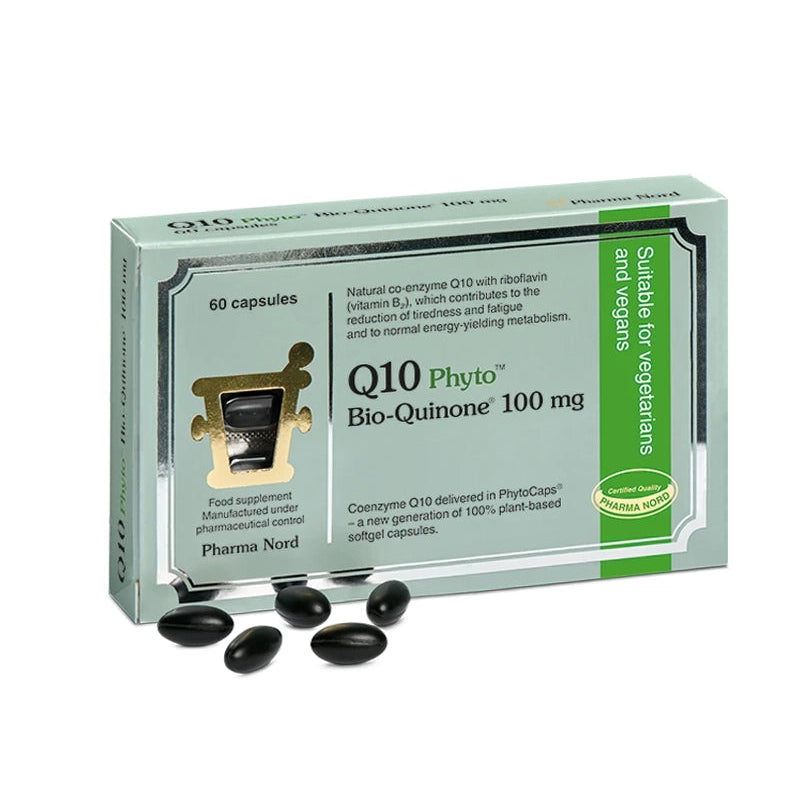
Q10 (Coenzyme Q10) supports the body's natural energy production at the cellular level. When hydration is low, energy levels can drop – and Q10 helps bridge that gap. To enhance absorption, it's best taken with a meal containing healthy fats such as avocado, olive oil, or nuts, preferably in the morning or at lunch.
OxyTech offers oxygen-based colon support that can be particularly helpful when dehydration contributes to constipation or sluggish digestion. By promoting stool softening and bowel regularity, OxyTech complements a hydration-focused lifestyle – but it must be used with adequate water intake for best results.
Fibre and hydration go hand in hand. When increasing fibre intake – whether from diet or supplements – it’s essential to raise fluid intake accordingly. Without enough water, fibre can slow digestion and cause bloating or constipation. But when paired properly, fibre helps regulate digestion, improve stool consistency, and support overall gut health.
Final Thoughts: Hydrate With Strategy, Not Just Sips
Hydration is not just about water. It’s about timing, minerals, and supporting your body during stress, activity, or dietary shifts. Integrate this plan consistently and notice improvements in:
-
Mental clarity
-
Workout recovery
-
Digestion and elimination
-
Overall resilience
Common Questions About Dehydration & Hydration Plans
Click a question to reveal a concise, trustworthy answer.
How do I know if I’m hydrated enough?
Aim for pale straw-coloured urine, steady energy, and minimal headaches. Thirst is a late signal — use a steady sipping routine through the day.
Do I need electrolytes every day?
No — use them when sweat, heat, illness or long travel increase fluid/mineral losses. A mineral like Magnesium can support normal muscle function alongside regular meals and fluids.
Can dehydration cause constipation?
Yes. Low fluid intake can make stools hard and difficult to pass. Keep fluids up and consider gut-friendly routines. If using OxyTech, drink plenty of water as directed.
Where do Q10 and Magnesium fit in?
Should I change anything when travelling or ill?
Increase fluids; use electrolytes after fluid loss; prioritise rest and simple foods. Some people add AlliTech within broader resilience routines during high-exposure periods. Seek professional advice if symptoms persist.
Educational content only. Not medical advice. Always consult a qualified healthcare professional before starting supplements or changing medication. Product information may reflect testimonials and practical experience. Individual results vary.