Oxygen-based colon conditioners have grown in popularity among people looking for a gentler, more natural way to support regularity, reduce bloating, and maintain digestive comfort. While these supplements share a common principle, releasing oxygen into the digestive tract they do not all work in the same way. One of the biggest differences lies in their delivery mechanism, which typically appears in two forms: powder and tablet.
Although many people search for powder-based oxygen cleansers by name, this article focuses solely on the science behind how powders and tablets activate in the body. Rather than comparing brands or recommending one over another, we look at the mechanisms of action, explaining how each format dissolves, releases oxygen, and interacts with the digestive system.
Understanding these mechanisms is essential for anyone exploring oxygen-based colon cleansing. The delivery method can influence how quickly oxygen becomes available, how the body responds during cleansing, and how gentle or intense the experience feels. By examining these mechanisms closely and responsibly readers can make more informed decisions that suit their digestion, lifestyle, and comfort.
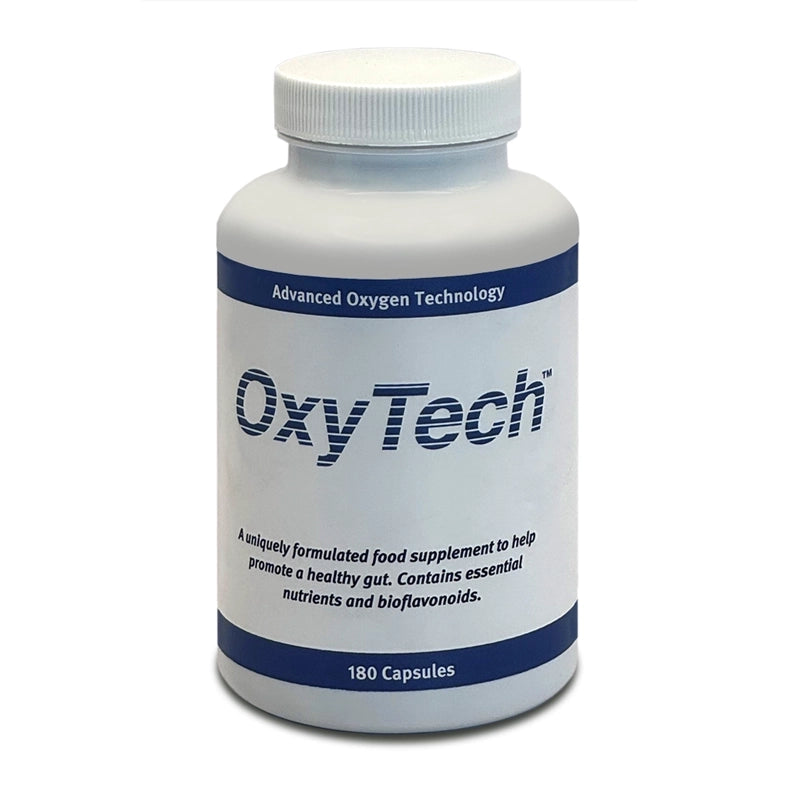
This article draws on widely understood physiological principles, user-reported experiences of oxygen-based colon conditioners, and the established oxygen-release process found in magnesium-based formulations such as OxyTech. It is intended for general educational purposes and should not be used as medical advice. Anyone who is pregnant, breastfeeding, managing ongoing health issues, or taking medication should consult a healthcare professional before using any supplement.
Understanding Oxygen-Based Colon Cleansing

Oxygen-based colon cleansing is built on a simple scientific idea: when specific forms of magnesium bind with oxygen and then release it inside the digestive tract, that oxygen helps to soften stool, break down old waste material, and create a cleaner internal environment. This process is not the same as a laxative. Traditional laxatives work by irritating the bowel or forcing muscular contractions, often leading to dependence or discomfort. Oxygen-based conditioners instead rely on oxidation, a natural chemical reaction that helps turn compacted waste into a softer, more liquid form that can pass through the colon more easily.
Magnesium plays an important role in this. Certain forms of magnesium are able to carry and release oxygen, and when this oxygen becomes available inside the digestive tract, it creates what some refer to as an “aerobic environment”. Many users of oxygen-based conditioners associate this with a feeling of lightness, better regularity, or reduced bloating. In some cases, a phenomenon known as “false diarrhoea” can occur during the early stages of cleansing. This happens when waste is rapidly liquefied; although it can feel similar to diarrhoea, it is simply a sign that the cleansing process is active.
Hydration is essential. Without enough water, oxidation cannot happen efficiently, and users may experience tiredness or headaches. Drinking at least two litres of water or diluted juice per day helps support the cleansing process and ensures that liquefied waste can move comfortably through the bowel.
It is also worth noting that oxygen is a vital element for human health. It supports energy production, cellular function, and digestive processes. Some oxygen-based colon conditioners including tablet formats that use magnesium peroxide technology are designed to release oxygen gradually, supporting not only colon cleansing but a better-oxygenated digestive environment overall. Many users report that they feel more energetic once they have incorporated this type of supplement into their routine.
Oxygen-based cleansing is not a substitute for a varied diet or healthy lifestyle, but for individuals with sluggish digestion or long-term irregularity, understanding how oxygen is released and used inside the colon can help them decide which delivery mechanism may suit them best. The following sections explore exactly how powder and tablet formats differ in their activation pathways, release speed, and overall user experience.
How Powder-Based Oxygen Cleansers Work

Powder-based oxygen colon cleansers rely on direct dissolution in water, which means the activation process begins before the supplement even enters the stomach. Once the powder is mixed with water, its components are dispersed into a solution. This allows the ingredients to interact immediately with moisture, setting the stage for a faster breakdown once swallowed.
When the mixture reaches the stomach, the acidic environment accelerates the release of oxygen from the magnesium compound. Because the powder is already in liquid form, there is no coating or shell that needs to dissolve, which generally results in a quicker onset of activity. Some individuals prefer this faster activation because it may produce noticeable effects within a shorter period, especially in people with sluggish digestion.
The oxygen released during this early stage begins the process of loosening accumulated material in the gut. Oxidation helps to break down compacted matter into softer, more fluid waste, which can then travel more easily through the colon. For some users, this results in a more immediate sense of cleansing, though it may also lead to stronger sensations of urgency at first.
Because powders activate quickly, adequate hydration becomes even more important. Water is required both to initiate oxidation and to support the natural movement of liquefied waste. Without sufficient water, the cleansing process may feel uncomfortable or incomplete. This is true for all oxygen-based colon conditioners, but especially for powder forms due to their faster onset.
There are practical considerations too. Powder requires mixing, which some people find inconvenient. The taste and texture can vary depending on the formula, and the need for preparation may make it less discreet than tablets. However, powders offer dosage flexibility, which can appeal to individuals who prefer fine-tuning their intake or who have difficulty swallowing capsules.
Overall, powder-based oxygen cleansers are defined by their speed, immediacy, and direct activation pathway. In the following section, we will explore how tablet-based formulations achieve a more controlled, delayed release, using a different mechanism that allows oxygen to be delivered deeper into the digestive system.
How Tablet-Based Oxygen Cleansers Work

Tablet-based oxygen colon conditioners use a more structured and controlled delivery system. Instead of activating immediately in water, the ingredients are protected within a capsule and a specialised internal matrix. This slows the onset slightly, but it also helps ensure that oxygen release happens later in the digestive journey, particularly in the colon, where many people feel it is most beneficial.
The process begins when the capsule is swallowed with water. The moisture, combined with stomach acid, gradually dissolves the outer capsule. Once this has broken down, the internal formulation becomes exposed. Some tablet-based oxygen conditioners, including those that use advanced magnesium peroxide technology, incorporate what is known as a crystalline lattice matrix, created through a combination of ozone, oxygen, and a specific form of ascorbic acid. This structure is sensitive to moisture, heat, and acidity, and it only breaks apart under the right conditions.
As the matrix dissolves, the ascorbic acid component helps cleave the bond between magnesium and oxygen, forming magnesium peroxide. Importantly, nothing significant happens until this magnesium peroxide travels further down the digestive tract. When it reaches the colon, the oxygen molecules begin to separate and release. This results in a slower, more targeted activation than powder forms, which typically begin releasing oxygen in the stomach.
The benefit of this delayed release is that oxygen becomes available directly in the area where waste tends to accumulate. As oxygen is introduced, it assists in softening compacted material, breaking it down into smaller, more manageable pieces that can be eliminated naturally without irritation. Many users report that this gentler, deeper-acting mechanism feels more predictable and less urgent, especially during the first days of cleansing.
Tablets also offer practical advantages. They are discreet, easy to take, require no mixing, and do not involve any taste or texture considerations. The fixed dose within each capsule makes it simple for individuals to regulate intake based on their needs, gradually adjusting up or down as recommended. For very sensitive individuals, beginning with a single capsule and increasing slowly can provide a more comfortable introduction to oxygen-based cleansing.
Overall, tablet-based oxygen cleansers are characterised by their controlled, colon-focused release mechanism, offering a steady and often gentler cleansing experience. In the next section, we compare these activation pathways side by side to highlight how powder and tablet formats differ in speed, distribution, and user experience, without suggesting superiority of one format over the other.
Comparing Activation Pathways: Powder vs Tablet Oxygen Cleansers
Powder and tablet oxygen colon cleansers share the same core principle: they use magnesium-based oxygen release to help soften, break down, and clear waste from the digestive tract. However, the way each format activates inside the body differs significantly. These differences influence the speed of onset, where oxygen becomes available, and how the cleansing experience feels from person to person.
The table below summarises the key distinctions between the two delivery methods:
| Mechanism stage | Powder delivery | Tablet delivery |
|---|---|---|
| Initial activation | Begins as soon as the powder is mixed with water and swallowed. | Begins only after the capsule shell and internal matrix have dissolved. |
| Where oxygen starts releasing | Primarily in the stomach, then continues through the intestines. | Mainly in the colon, once magnesium peroxide reaches the lower bowel. |
| Onset speed | Faster onset due to pre dissolved ingredients in liquid form. | Gradual and delayed as the capsule breaks down and the matrix activates. |
| Release pattern | More immediate and broad through the upper digestive tract. | More targeted and slower, focused deeper in the colon. |
| Hydration requirement | High – activation starts quickly, so water intake is crucial. | High – moisture is still needed to support oxygen release and movement. |
| User experience | May feel more intense at first, with onset and urgency varying by person. | Often described as gentler and more predictable, especially for sensitive users. |
| Practical considerations | Requires mixing; taste and texture depend on the formula. | No mixing, tasteless, discreet, and easy to take on the go. |
| Dosage flexibility | Serving size can be adjusted by measuring the powder. | Fixed amount per capsule makes dosage simple and consistent. |
Both mechanisms rely on hydration, digestive acidity, and the natural movement of the bowel to work effectively. It is therefore common for individuals to try different delivery formats over time to see which suits their digestive rhythm, lifestyle, and sensitivity.
Some find the rapid dispersion of powders appealing, especially if they want faster activation. Others prefer the predictability of tablets, which release oxygen further along the digestive tract, often resulting in what users describe as a gentler and more focused cleansing experience. The key point is that each format activates differently, and understanding these pathways helps people choose based on comfort rather than comparison.
Safety, Hydration, and Best Practice

Regardless of whether an oxygen-based colon cleanser is delivered in powder or tablet form, the underlying chemistry relies on the same fundamental process: oxygen must be released in the presence of moisture. For that reason, hydration is absolutely essential. Without sufficient water, oxidation cannot occur properly, and users may experience discomfort, tiredness, or headaches during cleansing. Drinking at least two litres of water or diluted juice per day helps ensure the oxygen release is smooth, effective, and gentle on the digestive system.
Another important aspect of oxygen-based cleansing is the possibility of experiencing what many refer to as “false diarrhoea”. This is not the same as infectious diarrhoea or bowel irritation. Instead, it is simply a result of liquefied waste moving through the colon more quickly than usual. This can happen with both powder and tablet formats, although the timing may differ depending on the onset of oxygen release. It is usually temporary and a natural sign that the cleansing process is active.
Users who are particularly sensitive may prefer to start with the lowest recommended serving and increase gradually. Tablet formats make this easier because the dose is fixed per capsule. Powders, on the other hand, offer more micro-adjustment, but may require careful measurement. In both cases, listening to the body and adjusting slowly can help create a comfortable experience.
As with any supplement, oxygen-based conditioners should not replace a varied diet or healthy lifestyle. They are designed to support digestive comfort, not act as a long-term substitute for balanced eating, fibre intake, or adequate daily hydration. They can form part of a sensible cleansing or detox routine, but they should be used thoughtfully and with awareness.
There are also circumstances where individuals should seek medical guidance before using any form of colon cleanse. This includes pregnancy, breastfeeding, ongoing medical treatment, or known digestive conditions. The OxyTech product information notes that those who are pregnant or breastfeeding should consult a doctor before use, and this advice applies universally to all oxygen-based products.
Finally, it is always wise to ensure you are within reach of a toilet during the early stages of cleansing, particularly when experimenting with serving size. Many users find that the body adapts quickly over several days, with the initial intensity settling into a more predictable and comfortable rhythm.
Understanding these safety considerations not only helps to improve the cleansing experience but also supports a more confident and informed approach, whether choosing a powder or a tablet delivery method. In the next section, we will look at the practical reasons why people may gravitate towards one format over the other, without implying that any single method is superior.
Which Delivery Method Works Best?
Because powder-based and tablet-based oxygen cleansers activate at different stages of digestion, the experience can vary noticeably from one person to another. This is why there is no single “best” delivery method. Instead, each format comes with characteristics that appeal to different preferences, digestive sensitivities, and lifestyles.
Some individuals prefer the faster onset of powder formats. Since the powder is dissolved in water before consumption, activation begins almost immediately once it reaches the stomach. This can feel appealing to those who want a prompt cleansing effect or who respond well to a more rapid release of oxygen. Powders also allow greater flexibility in adjusting the serving size, which can be helpful for those who like fine-tuning their routine.
Others gravitate towards tablets because they provide a more controlled and delayed release. The capsule and internal matrix slow down the activation process, allowing magnesium peroxide to reach the colon before significant oxygen release occurs. Many people describe this as a gentler, deeper cleansing experience with fewer feelings of urgency. Tablets are also discreet, tasteless, and convenient for travel or daily routines. The predictable serving size can make it easier for users to maintain a stable, consistent rhythm.
It is also common for people to try both formats at different points in their lives. Factors such as changing digestive sensitivity, varying hydration levels, stress, diet, or medication can influence how someone responds to oxygen-based cleansing. Some people even alternate formats depending on how they feel, using powders when they want a quicker onset and tablets when they want slower, more targeted action.
Ultimately, choosing between powder and tablet delivery is not about deciding which is superior. It is about understanding how each mechanism works and selecting the format that best aligns with individual comfort, daily habits, and digestive needs. Both rely on oxygen release to support colon cleansing; they simply reach that point in different ways.