When people think about heart health, cholesterol and blood pressure often take centre stage. However, one of the most important underlying drivers of cardiovascular risk is chronic, low-grade inflammation – a long-term immune response that can quietly affect blood vessel function, plaque behaviour, and overall heart resilience.
This article explains the inflammation–immunity–heart health connection in a clear, evidence-aware way, and outlines practical, natural steps that may help support a healthier inflammatory balance. It is written to support informed decision-making and does not replace medical advice or prescribed treatment. Any dietary changes or supplements should be viewed as supportive options alongside appropriate lifestyle measures and guidance from a qualified healthcare professional where needed.
What Is Inflammation (and When Does It Become a Problem)?
Inflammation is the body’s normal defence response. When you cut your finger or catch a virus, the immune system releases signalling molecules and immune cells to protect tissue, clear threats, and support repair. In this context, inflammation is useful; it is part of healing.
The problem is not inflammation itself. The issue is chronic, low-grade inflammation – a long-term state where inflammatory signals remain subtly elevated for months or years. This can happen when the immune system is repeatedly triggered by factors such as poor sleep, ongoing stress, excess ultra-processed food intake, metabolic strain, smoking, or long-term gut imbalance.
Over time, chronic inflammation can influence how the cardiovascular system behaves. It can affect blood vessel lining function, interact with lipid metabolism, and contribute to the conditions that make arterial plaque more likely to develop and become unstable.
How Immunity and Heart Health Are Connected
Cardiovascular health is not only about cholesterol numbers. Atherosclerosis (the process behind most heart attacks and strokes) is now widely understood as an inflammatory process that involves immune activity inside the artery wall.
In simple terms, LDL cholesterol can enter the artery lining and, under certain conditions, become modified (for example through oxidative stress). This attracts immune cells, which respond as though they are dealing with an ongoing threat. Over time, this immune response can contribute to plaque formation and influence whether that plaque stays stable or becomes more rupture-prone.
This is why modern prevention discussions increasingly include inflammatory markers and lifestyle factors that influence immune balance. It also helps explain why a “heart-health” routine often overlaps with habits that support sleep, stress regulation, gut function, physical activity, and nutrient status.
Common Triggers of Chronic Inflammation
Chronic inflammation is rarely caused by one single food or one single habit. It is usually driven by long-term patterns. Some of the most common, evidence-informed contributors include:
| Trigger | What it can do over time | Practical “first step” |
|---|---|---|
| High-sugar, ultra-processed diet | Can worsen metabolic strain, unfavourable blood lipids, and inflammatory signalling | Swap one daily ultra-processed item for a whole-food alternative |
| Chronic stress | Can disrupt cortisol patterns and immune regulation, affecting sleep and recovery | Introduce a 5–10 minute daily decompression routine |
| Poor sleep | Often linked to higher inflammatory markers and reduced resilience | Set a consistent sleep/wake window for two weeks |
| Low movement / sedentary time | Can reduce vascular function and worsen insulin sensitivity | Start with a 10–15 minute walk after meals |
| Gut imbalance | May influence immune signalling via the gut barrier and microbiome metabolites | Add one daily fibre-rich food (oats, beans, veg, seeds) |
Research-Informed Ways to Support a Healthier Inflammatory Balance
Most long-term strategies that help the heart also support immune regulation – because the foundation is the same: improving metabolic stability, protecting blood vessels, and reducing the day-to-day signals that keep inflammation switched “on”. The most reliable approaches are consistent, realistic habits that you can maintain for months, not days.
1) Build meals around whole foods and fibre
Dietary pattern matters more than any single “anti-inflammatory” ingredient. Diets that emphasise vegetables, legumes, whole grains, fruit, nuts, seeds, and unsaturated fats are consistently associated with better cardiovascular markers and healthier inflammatory balance. One reason is that fibre supports gut function and helps regulate blood lipids, while whole foods also provide antioxidant compounds that help buffer oxidative stress.
2) Improve fat quality and include omega-3s consistently
Fats are not all the same. Swapping some saturated fats for unsaturated fats (for example, olive oil, nuts, seeds, and oily fish) is a common evidence-based dietary shift for heart health. Omega-3 fatty acids (EPA and DHA) are of particular interest because they are involved in inflammatory signalling pathways and triglyceride balance. That said, they should not be positioned as a replacement for medical care or a “cure” for cardiovascular disease.
3) Move regularly, even if it is modest
Regular movement supports circulation, endothelial function (the health of the blood vessel lining), and metabolic resilience. It also helps reduce visceral fat, which is strongly associated with chronic inflammation. If structured exercise is not realistic, a consistent walking routine still counts — and is often easier to maintain long-term.
4) Make sleep a non-negotiable health behaviour
Sleep is one of the strongest “hidden” levers for immune regulation. Poor sleep can amplify stress hormones, worsen food cravings, and reduce recovery. If you only change one thing, a consistent sleep routine (wake time, wind-down, morning light exposure) often produces knock-on benefits that support inflammatory balance indirectly.
5) Use stress regulation as a practical tool, not a lifestyle trend
Stress does not need to be eliminated to be managed. The goal is to help the nervous system regularly return to baseline. Breathwork, gentle yoga, time outdoors, short periods of stillness, and intentional breaks between tasks can all support this. Many people see the biggest benefit when stress regulation is treated as a daily habit, like brushing teeth, rather than an occasional rescue strategy.
Omega-3s in Context: What They Can (and Can’t) Do
Omega-3s are widely discussed in heart health because EPA and DHA have been studied in relation to triglycerides and inflammatory signalling. In general, omega-3 intake is best understood as a supportive piece of a wider lifestyle approach. It does not replace medical care, and it is not appropriate to present omega-3 as reversing established plaque or acting as a stand-alone treatment.
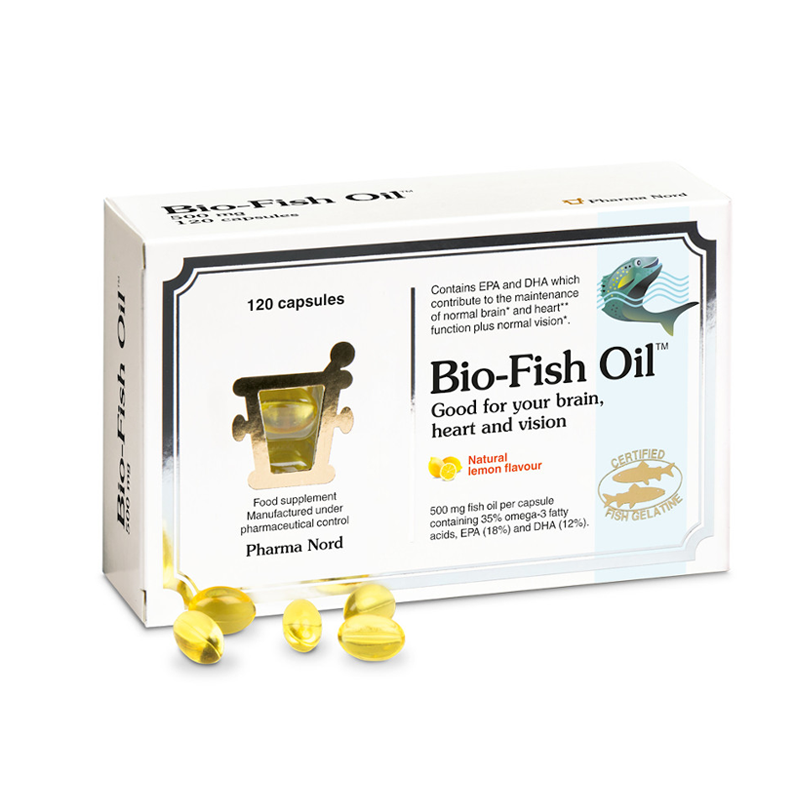
If you eat oily fish infrequently, using a fish oil supplement can be a practical way to support intake consistency. For readers who want a straightforward option, Bio Fish Oil can be used as a complementary way to support EPA and DHA intake alongside a balanced diet.
Why Gut Health Matters for Immune Balance
The gut is one of the immune system’s most active interfaces with the outside world. The gut lining acts as a barrier, while the microbiome (the community of gut bacteria) helps produce compounds that influence inflammation and immune signalling. When fibre intake is low and ultra-processed foods dominate, gut balance can shift in ways that may contribute to inflammatory patterns.
In practical terms, gut support usually means consistent fibre intake (especially from legumes, vegetables, oats, seeds), regular fermented foods if tolerated, and a reduction in foods that destabilise blood sugar and appetite. The most useful approach is not perfection – it is repeatable habits that build a more stable baseline.
Where Supplements Fit (Responsibly)
Supplements should not replace dietary and lifestyle foundations, but some people use them as supportive tools when consistency is a work-in-progress, when dietary gaps exist, or when they want a targeted approach alongside sensible lifestyle changes. The most important point is to keep expectations realistic and to choose supplements for a clear rationale rather than marketing hype.
Omega-3 support: As discussed above, omega-3 intake is commonly used as part of a heart-conscious routine, particularly for people who eat little oily fish. Bio Fish Oil is one practical option to support EPA and DHA intake alongside diet and lifestyle measures.
Garlic and circulation support: Some people also consider garlic-based formulations within a broader cardiovascular routine. For example, AlliTech GoodHeart combines stabilised allicin with additional supportive ingredients and is intended to complement a balanced approach rather than replace medical guidance.
Cholesterol balance support: Plant sterols are well-established for supporting reduced cholesterol absorption in the gut when taken consistently in appropriate amounts. LoSterol combines plant sterols (including beta-sitosterol) with stabilised allicin in a formulation designed to complement lifestyle strategies for cholesterol balance. It is not intended to treat disease or replace prescribed medication. Instead, it is positioned as a supportive option for adults who want to address cholesterol from more than one angle – including dietary cholesterol absorption and factors linked to oxidative stress – alongside fibre intake, healthier fat choices, physical activity, and appropriate clinical guidance
As with any supplement, suitability varies. If you are taking prescription medication (including blood thinners or cholesterol-lowering medication), preparing for surgery, pregnant, breastfeeding, or managing a diagnosed cardiovascular condition, seek advice from a qualified healthcare professional before introducing any new supplement.
Frequently Asked Questions
Clear, practical answers that extend the article and support informed decisions.
How do I know if I have chronic inflammation?
Chronic inflammation does not always cause obvious symptoms. Some people discuss inflammatory markers (such as CRP) with a healthcare professional, particularly if they have cardiovascular risk factors or long-term health concerns. The most responsible approach is to treat symptoms and testing as a clinical conversation, rather than self-diagnosing based on general information.
Is inflammation always bad for the heart?
No. Acute inflammation is part of normal immune defence and healing. The concern is long-term, low-grade inflammation that stays elevated over time and can influence blood vessel function, metabolic health, and plaque behaviour.
Can diet changes affect inflammation quickly?
Some people notice changes in energy, digestion, or appetite within days or weeks when they reduce ultra-processed foods and increase fibre-rich whole foods. However, changes in measurable markers are usually reviewed over weeks or months. Consistency tends to matter more than intensity.
Are omega-3 supplements necessary if I eat fish?
Not necessarily. If you regularly eat oily fish, you may already be supporting omega-3 intake through diet. Supplements are typically considered when intake is low, or when consistency is difficult. If you are unsure what is appropriate for you, professional guidance is sensible.
What matters more: supplements or lifestyle?
For most people, lifestyle foundations (diet quality, fibre intake, movement, sleep, and stress regulation) are the biggest drivers of long-term change. Supplements can be useful as supportive tools, but they rarely compensate for an overall pattern that keeps inflammation elevated.
Who should speak to a clinician before using supplements for heart health?
Anyone with diagnosed cardiovascular disease, very high cholesterol or triglycerides, a strong family history of early cardiovascular disease, or those taking prescription medication should seek advice before starting supplements. This is especially important for products that may influence bleeding risk or interact with medication.
Note: Supplements are intended to support normal bodily functions and do not replace medical care. If you are concerned about cardiovascular risk, inflammation, or immune-related symptoms, seek guidance from a qualified healthcare professional.
Final Thoughts – Supporting the Heart by Calming the System
Heart health and immune health are not separate systems. They continuously influence one another through inflammation, metabolic function, and the health of the blood vessel lining. This is why sustainable cardiovascular support often looks surprisingly “unsexy”: fibre-rich meals, consistent movement, better sleep, and stress regulation done repeatedly.
If you want additional support, supplements can sit alongside these foundations – but the most responsible approach is to use them with realistic expectations, a clear rationale, and appropriate professional guidance, especially if you have diagnosed cardiovascular risk factors or are taking medication.
Dulwich Health has specialised in natural health supplements and remedies since 1986 and has supported over 30,000 customers during that time. This experience informs an evidence-aware approach that prioritises education, realism, and responsible use of supplements as part of a broader lifestyle picture.
Further Reading & Credible Sources
Independent sources are included to support informed decision-making and transparency.
-
British Heart Foundation – What Is Inflammation?
Overview of how inflammation relates to cardiovascular health and research directions.
-
Harvard Health – Omega-3s and Heart Health
Evidence-aware discussion of omega-3 intake and cardiovascular context.
-
National Heart, Lung, and Blood Institute (NHLBI)
Public health resources on heart health, risk factors, and clinical guidance.
External links are provided for educational purposes only. Dulwich Health does not control or endorse third-party content.