Learn how energy, nutrients, and daily habits can help your brain rewire, adapt, and thrive throughout life.
Your brain is not fixed – it’s dynamic, adaptable, and capable of rewiring itself throughout life. This remarkable ability, called neuroplasticity, allows you to learn new skills, form habits, recover from stress, and adapt to new environments.
But neuroplasticity doesn’t just happen. It relies on energy, quality sleep, omega-3s, stimulation, and daily habits. This guide explores how to support your brain's adaptive power, backed by nutritional science and neuroscience-informed practices, using tools like Bio-Quinone Q10 and high-quality fish oil, plus evidence-based lifestyle upgrades.
The Science of Neuroplasticity
Neuroplasticity is your brain’s ability to change its structure and function in response to experience. Learning a new language, adapting to stress, or changing how you think can reshape the wiring between neurons.
Even in adulthood, brain regions like the hippocampus can grow new neurons. But this depends on key factors – energy availability, low inflammation, and consistent use of cognitive circuits. Chronic stress, poor nutrition, and low omega-3 intake can all impair plasticity, affecting memory, adaptability, and learning capacity.
Cellular Energy & Bio-Quinone Q10
The brain consumes around 20% of your body’s energy. Neurons rely on mitochondria to convert nutrients into usable energy – a process that slows with age and stress. Bio-Quinone Q10 is crucial here.
Coenzyme Q10 (CoQ10) supports mitochondrial energy production. A 2021 review notes CoQ10 may support cognitive performance and reduce oxidative stress – both key for neuroplasticity. Supplementing with Bio-Quinone Q10 may improve alertness and mental stamina over time.

Omega-3s: Nourishing Brain Structure & Signalling
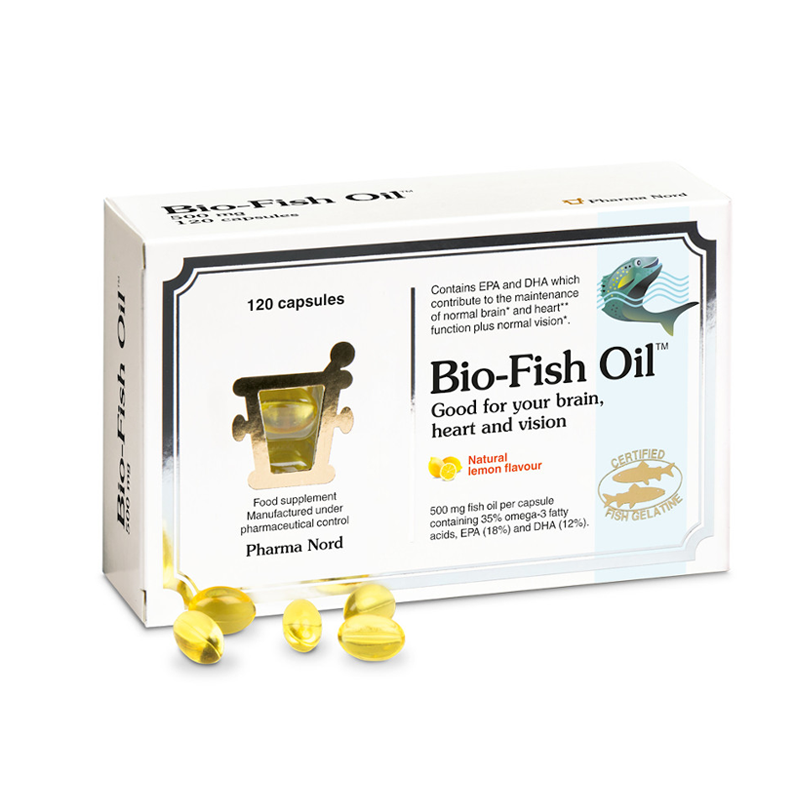
While Q10 fuels neurons, high-quality fish oil provides essential structural components. DHA and EPA (omega-3 fatty acids) support cell membrane fluidity and neuron communication.
The European Food Safety Authority confirms that 250mg/day of DHA contributes to normal brain function. Research in Frontiers in Aging Neuroscience shows DHA enhances synaptic plasticity and may reduce age-related cognitive decline.
Everyday Habits That Support Brain Adaptability
- Challenge yourself: Learn new skills, languages, or instruments to activate different brain regions.
- Stay physically active: Exercise raises BDNF (brain-derived neurotrophic factor), vital for neuroplasticity.
- Eat brain-supportive nutrients: Combine fish oil, leafy greens, berries, and healthy fats. See our nutrition guides.
- Sleep deeply: Memory and learning consolidate during REM and slow-wave sleep. Check sleep support guides for tips.
- Limit stress: Mindfulness, meditation, and time in nature reduce cortisol, supporting brain adaptation.
A Simple Daily Brain Health Routine
- Morning: Take Bio-Quinone Q10 with breakfast and get daylight exposure for circadian rhythm support.
- Midday: Include fatty fish or take high-quality fish oil with lunch to support neuron membranes.
- Evening: Avoid bright screens, journal insights, and prioritise deep sleep for memory consolidation.
Brain Adaptation FAQ
Click a question to reveal a concise, trustworthy answer.
Can supplements really improve neuroplasticity?
While lifestyle and learning are primary drivers, nutrients like CoQ10 and omega-3s support the brain’s metabolic and structural health, giving neuroplasticity a physiological boost.
How long before I notice a difference?
Most people report improved focus, clarity, or mental stamina within 2–4 weeks when combining Q10 and omega-3s with consistent sleep and cognitive challenges.
Best time to take Q10 and fish oil?
Take Q10 with a fat-containing meal (morning or midday). Fish oil is best taken with food at any time for optimal absorption.
Are there any risks?
Supplements are generally well tolerated. If pregnant, breastfeeding, or taking medication, consult a clinician first. Always combine with healthy lifestyle habits.
Educational content only. Not medical advice. Always consult a qualified healthcare professional before starting supplements or changing medication. Individual results may vary.