Garlic has long been associated with a wide range of health benefits, from supporting general wellbeing to contributing to a balanced lifestyle. However, one key issue is often overlooked: most people consuming garlic, whether raw or in supplement form, have no clear idea how much of its active compound they are actually getting.
At the centre of garlic’s biological activity is allicin. This naturally occurring organosulfur compound is widely regarded as the “active” component responsible for many of garlic’s studied properties. But unlike standard nutrients such as vitamins or minerals, allicin is not present in intact garlic cloves. Instead, it is formed only when garlic is crushed or chopped, triggering an enzymatic reaction. Even then, it is highly unstable and begins to degrade almost immediately.
This creates a fundamental problem. The amount of allicin produced from fresh garlic can vary significantly depending on factors such as preparation method, freshness, and even the individual clove itself. Cooking further reduces its potency, often leaving only trace amounts of active compounds behind.
As a result, there is a growing disconnect between perceived intake and actual bioavailable allicin.
This is where confusion often arises, particularly when comparing:
- Raw garlic vs cooked garlic
- Garlic powder vs garlic oil supplements
- “Allicin potential” vs actual delivered allicin
Many standard garlic supplements list high milligram dosages, but these figures often refer to total garlic content rather than the amount of active allicin that the body can realistically absorb.
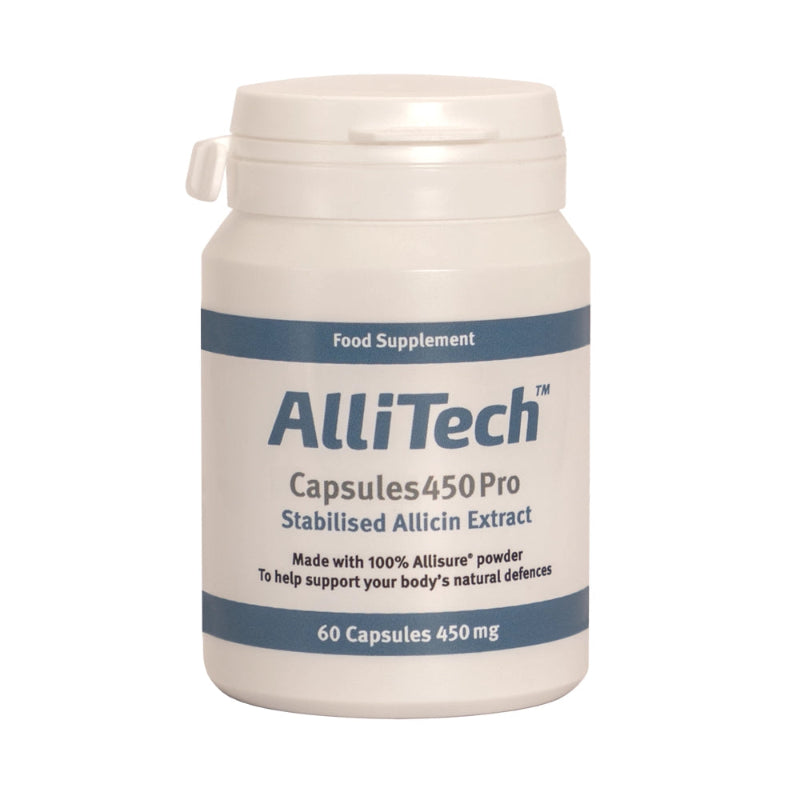
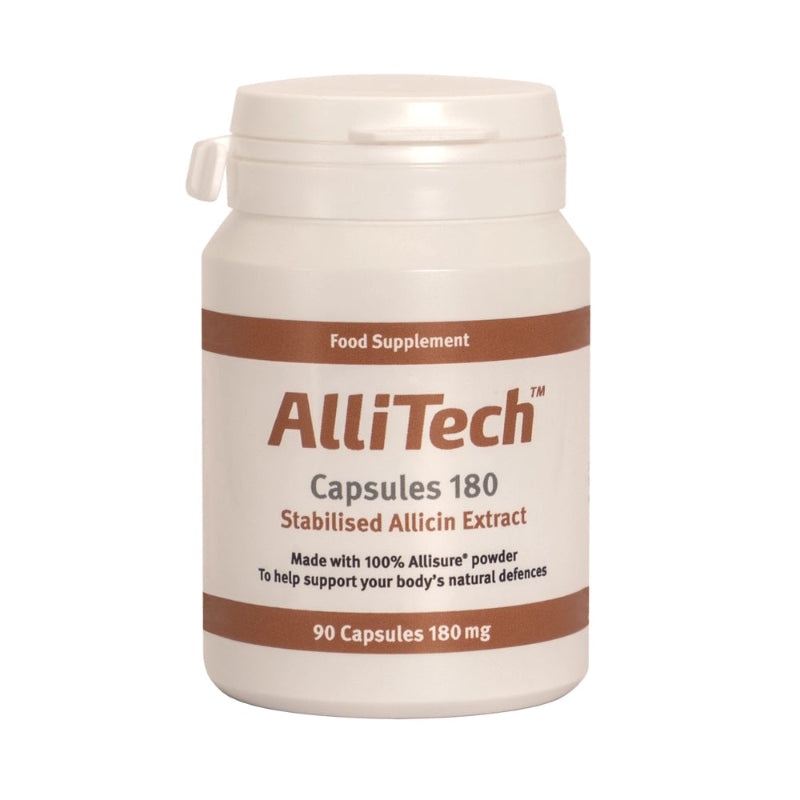
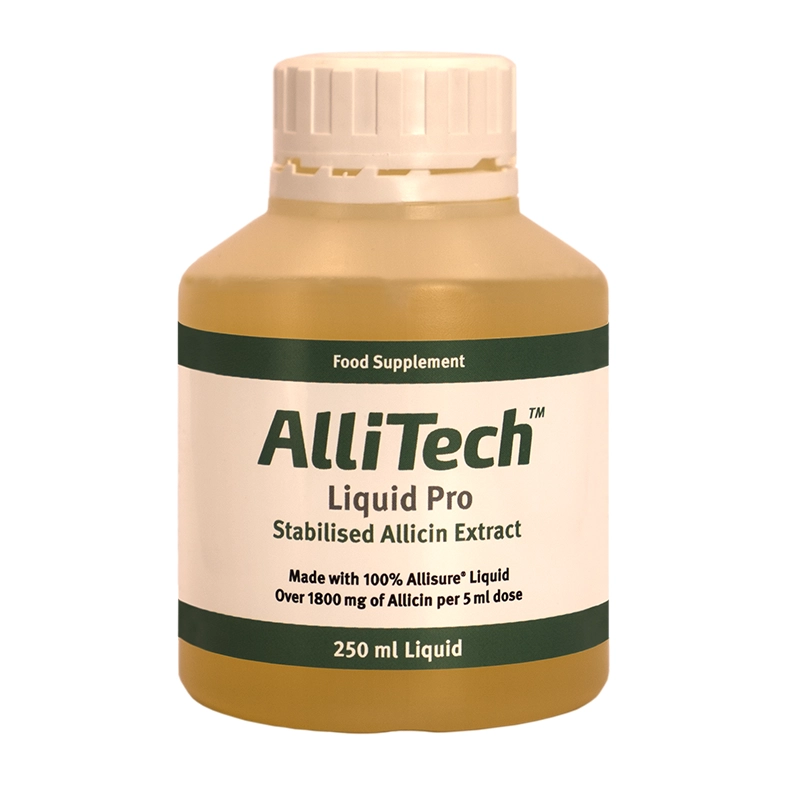
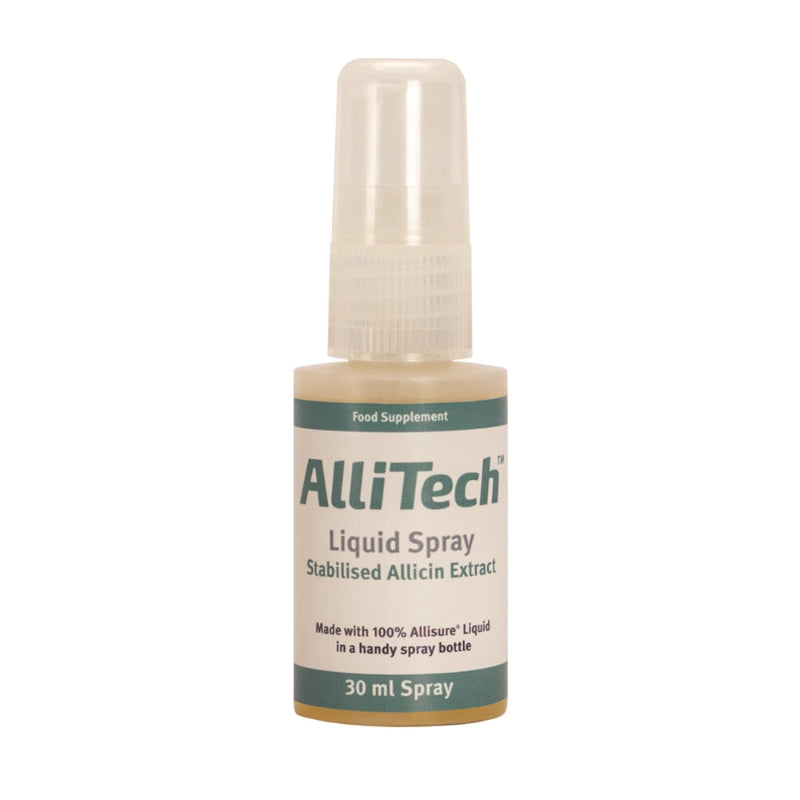
For individuals looking for a more consistent and measurable intake, stabilised formulations have become an area of increasing interest. Products such as AlliTech are designed to provide a controlled and reliable allicin yield, helping to reduce the variability associated with traditional garlic consumption.
With over three decades of experience, Dulwich Health has focused on helping customers make more informed decisions around natural supplements, emphasising consistency, transparency, and responsible use.
In this guide, we will examine what the evidence suggests about allicin intake, how dosage is typically interpreted, and what actually matters when choosing a supplement.
Understanding Allicin: Why Dosage Is Not Straightforward

Before looking at how much allicin to take per day, it is important to understand why dosage is far less straightforward than with standard nutrients like vitamin C or magnesium.
Allicin Is Not Naturally Stable
Allicin is inherently unstable. It is only formed when garlic is physically disrupted, activating the enzyme alliinase. Once created, allicin begins to break down rapidly when exposed to:
- Heat (cooking significantly reduces activity)
- Oxygen (degradation over time)
- Stomach acid (further breakdown after ingestion)
This means that even if two people consume the same amount of garlic, the actual amount of active allicin available to the body can differ substantially.
“Allicin Potential” vs Actual Allicin
One of the most common sources of confusion lies in supplement labelling.
Many garlic supplements refer to “allicin potential”, which indicates the theoretical amount of allicin that could be produced under ideal conditions. However, this does not guarantee:
- That allicin is actually formed
- That it survives digestion
- That it is absorbed in meaningful amounts
In practice, the amount of bioavailable allicin may be significantly lower than what the label suggests.
Why Raw Garlic Is Inconsistent
While fresh garlic is often promoted as a natural source of allicin, it presents several limitations:
- Variable allicin yield depending on clove quality and preparation
- Rapid degradation after crushing
- Reduced potency when cooked
- Difficulty in achieving consistent daily intake
This makes it challenging to use raw garlic as a reliable way to measure or control allicin consumption.
The Role of Stabilised Allicin
To address these limitations, some formulations aim to deliver stabilised allicin, designed to provide a more predictable and consistent intake.
For example, AlliTech is formulated to deliver a controlled allicin yield, helping to reduce the variability associated with non-standardised garlic products.
The key distinction is:
- Allicin potential: theoretical and variable
- Stabilised allicin: measured and consistent
Key Takeaway
When discussing allicin dosage per day, the critical factor is not just the quantity listed on a label, but:
- How much allicin is actually delivered
- How stable it is through digestion
- How consistently it can be taken over time
This is why two supplements with similar “garlic content” can produce very different real-world outcomes.
Allicin Dosage: What Does the Evidence Suggest?
With the variability of allicin now clear, the next logical question is how much is actually beneficial on a daily basis. This is where many articles oversimplify the topic. Unlike standard nutrients, there is no universally agreed recommended daily intake for allicin.
Instead, dosage guidance is typically derived from a combination of clinical research, supplement formulation standards, and long-term practical use.
General Observations from Research
Most studies involving garlic and its active compounds do not isolate allicin in a perfectly standardised way. Instead, they often use:
- Aged garlic extracts
- Garlic powders with defined “allicin potential”
- Stabilised formulations designed for consistency
As a result, reported dosages vary significantly depending on the study design and intended outcome.
What can be taken from the broader evidence is:
- Regular intake tends to be more important than occasional high doses
- Consistency of active compound delivery is a key factor
- Higher intakes are sometimes used in short-term or targeted contexts, but not always necessary for general wellbeing
Practical Dosage Guidelines (Evidence-Informed)
Rather than focusing on exact milligram targets, which can be misleading, it is often more useful to think in terms of consistent daily intake from a reliable, stabilised source.
Note: Individual needs can vary. Always follow the product label and seek professional advice if you are taking medication or have an underlying health condition.
How Much Allicin Per Day Is Beneficial?
For most adults, a moderate, consistent daily intake is generally considered the most practical approach.
In real-world terms, this typically equates to:
- 1–2 capsules of a stabilised allicin supplement such as AlliTech
- Taken once daily or divided depending on individual preference
This method prioritises:
- Predictable intake
- Ease of use
- Long-term consistency
Consistency Matters More Than High Doses
A common misconception is that higher doses automatically lead to better outcomes. With allicin, this is not necessarily the case.
Due to its instability and the way the body processes organosulfur compounds:
- Large, irregular doses may not provide consistent exposure
- Smaller, regular intake is often more practical and sustainable
- Bioavailability and formulation quality play a larger role than raw quantity
Key Takeaway
There is no single “perfect” daily dose of allicin. However, the evidence and practical usage both point towards the same conclusion:
A consistent daily intake from a well-formulated, stabilised source is generally more beneficial than attempting to achieve high doses through raw garlic or non-standardised supplements.
Maximising Bioavailability: Why Form Matters More Than Dose

Once dosage is understood in practical terms, the next factor that directly impacts results is bioavailability. In simple terms, this is the proportion of allicin that remains active and usable by the body after consumption.
This is where many garlic-based products fall short.
The Core Issue: Allicin Stability
Allicin is highly reactive and degrades quickly under normal conditions. The main challenges include:
- Heat: Cooking significantly reduces active compounds
- Time: Allicin begins to break down almost immediately after formation
- Stomach acid: The acidic environment can further reduce active availability
As a result, even if a product contains garlic or claims high “allicin potential”, the actual amount reaching systemic circulation may be limited.
Why Standard Garlic Supplements Can Underperform
Many over-the-counter garlic supplements are based on:
- Garlic powder
- Garlic oil
- Aged garlic extracts
While these may have their own properties, they often:
- Do not deliver meaningful levels of active allicin
- Rely on conversion processes that may not occur efficiently
- Provide inconsistent results between doses
This reinforces the earlier point: label dosage alone does not reflect effective intake.
Stabilised Allicin: A More Controlled Approach
To overcome these limitations, some formulations focus on delivering stabilised allicin, designed to maintain activity until consumption.
For example, AlliTech is formulated to provide a consistent allicin yield, helping to reduce the variability seen in non-standardised garlic products.
From a practical standpoint, this offers:
- More predictable intake per capsule
- Reduced dependence on enzymatic conversion
- Greater consistency for daily use
Importantly, this is not about higher dosing, but about more reliable delivery.
Practical Tips to Improve Tolerance and Use
Even with stabilised formulations, how the supplement is taken can influence the experience:
- Take with or after food to support digestive comfort
- Avoid taking on an empty stomach if sensitive to garlic compounds
- Maintain consistent timing to support routine intake
These steps do not dramatically increase absorption, but they do improve tolerability and adherence, which are equally important for long-term use.
Key Takeaway
When it comes to allicin, formulation quality has a greater impact than simply increasing the dose.
A lower, consistent intake from a stabilised and well-formulated source is typically more reliable than higher amounts from unstable or non-standardised garlic products.
Safety, Interactions and Responsible Use
While allicin is derived from garlic and widely used in supplement form, it is important to approach intake with the same level of care as any biologically active compound. This is particularly relevant for individuals taking medication or managing existing health conditions.
Potential Interactions to Be Aware Of
Garlic-derived compounds, including allicin, are known to have natural anti-platelet properties, meaning they can influence blood clotting.
As a result, caution is advised if you are taking:
- Anticoagulants such as Warfarin
- Heparin
- Antiplatelet medications such as Aspirin
Combining these with allicin supplements may increase the risk of bleeding. Anyone in this category should seek guidance from a GP before use.
Pre-Surgery Guidance
Due to its effects on blood clotting, it is generally recommended to:
- Stop taking allicin supplements 1–2 weeks before any scheduled surgery
This is a standard precaution applied to many supplements with similar properties.
Possible Side Effects
Allicin is generally well tolerated when taken as directed, but some individuals may experience mild effects, particularly at higher intakes:
- Digestive discomfort
- Bloating or mild irritation
- Garlic odour (less common with stabilised formulations)
These effects are typically temporary and may be reduced by taking supplements with food.
Who Should Take Extra Care
Additional caution is advised for:
- Individuals with bleeding disorders
- Those preparing for surgery
- Anyone taking long-term medication
- Pregnant or breastfeeding women (consultation recommended before use)
Responsible Supplement Use
When incorporating allicin into a daily routine:
- Start with a moderate intake
- Monitor how your body responds
- Avoid combining with multiple high-strength supplements without guidance
- Prioritise consistency over increasing dosage
Products such as AlliTech are designed to provide a measured and consistent intake, which can help support more controlled use.
Important Disclaimer
This article is for educational purposes and does not constitute medical advice. Always consult a GP before starting a new supplement regime, especially if you are taking medication or have an underlying health condition.
Key Takeaway
Allicin can be a useful addition to a broader wellbeing routine when used appropriately. However, like any active compound, it should be taken with an understanding of:
- Potential interactions
- Individual health context
- The importance of professional guidance where needed
How to Choose an Effective Allicin Supplement

With a wide range of garlic-based products available in the UK market, selecting a supplement that delivers meaningful and consistent allicin intake requires more than simply comparing headline milligram figures.
The key is understanding what the label is actually telling you and how that translates into real-world use.
1. Check for “Allicin”, Not Just Garlic Content
One of the most common issues with garlic supplements is misleading labelling.
Look specifically for:
- Allicin or stabilised allicin
- Clear indication of active compound delivery
Be cautious of products labelled as:
- Garlic oil
- Garlic powder
- Aged garlic extract (unless standardised for active compounds)
These may contain beneficial compounds, but they do not necessarily provide reliable or measurable allicin levels.
2. Understand Standardisation and Consistency
A high-quality supplement should aim to deliver:
- Consistent allicin yield per dose
- Minimal reliance on in-body conversion
- Stability through digestion
This is where formulation becomes critical. Without standardisation, two capsules from the same product may not deliver the same active amount.
3. Prioritise Quality Over High Dosage Claims
Higher numbers on the label do not automatically mean better outcomes.
In practice:
- A lower, consistent dose is often more useful than a high but variable intake
- Bioavailability and stability are more important than total garlic weight
- Overly aggressive dosing can reduce tolerability without improving consistency
4. Consider Brand Credibility and Track Record
In the supplement space, trust signals matter.
Dulwich Health has been established since 1986 and has supported over 30,000 customers, focusing on consistent, well-formulated products rather than headline-driven claims.
Products such as AlliTech are designed around controlled allicin delivery, helping users maintain a predictable daily intake.
5. Look at Practical Usability
Beyond formulation, consider how easy the supplement is to use consistently:
- Clear dosage guidance
- Capsule format for convenience
- Suitable for daily routines without complexity
Consistency is ultimately what determines long-term value.
6. Consider the Wider Health Context
Allicin is often used as part of a broader approach to wellbeing rather than in isolation.
For example, supporting gut health may involve complementary strategies, including products such as OxyTech, which is formulated to support a balanced internal environment.
This should always be viewed as complementary support, not a replacement for medical treatment or a standalone solution.
Key Takeaway
When choosing an allicin supplement, the most important factors are:
- Measurable and consistent allicin delivery
- Stability and bioavailability
- Transparent labelling
- A trusted brand with a proven track record
In most cases, a well-formulated, stabilised allicin supplement taken consistently will provide more reliable results than higher-dose, non-standardised alternatives.
Conclusion: What’s Actually a Beneficial Daily Allicin Intake?
After reviewing how allicin is formed, how it behaves in the body, and how supplements are formulated, one point becomes clear: there is no single universal “perfect dose” of allicin.
What matters more is how reliably that allicin is delivered and how consistently it is taken.
Practical Summary
For most adults, a beneficial approach to daily allicin intake is:
- A moderate, consistent daily dose rather than occasional high intake
- Delivered through a stabilised formulation to reduce variability
- Taken as part of a regular routine to support consistency
In practical terms, this typically equates to:
- 1–2 capsules per day of a stabilised allicin supplement such as AlliTech
This approach prioritises:
- Predictable intake
- Ease of adherence
- Long-term usability
Quality Over Quantity
A recurring theme throughout this guide is that more is not necessarily better.
With allicin:
- Higher doses do not guarantee better outcomes
- Unstable sources (such as raw garlic or non-standardised supplements) introduce significant variability
- Bioavailability and formulation quality have a greater impact than headline dosage figures
A More Reliable Way to Approach Allicin
Rather than attempting to estimate intake from food or relying on inconsistent supplements, a structured approach is more practical:
- Choose a standardised, stabilised product
- Follow clear dosage guidance
- Monitor tolerance and adjust if needed
- Maintain consistency over time
Final Takeaway
A beneficial daily allicin intake is not defined by a specific number alone, but by consistency, stability, and reliable delivery.
For most people, a moderate daily intake from a well-formulated supplement provides a more dependable and manageable solution than trying to achieve high levels through variable sources.
Disclaimer: This article is for educational purposes and does not constitute medical advice. Always consult a GP before starting a new supplement regime, especially if you are taking medication or managing an existing health condition.
Further Reading & Scientific Sources
The information in this article was informed by reputable third-party sources covering garlic safety, allicin stability, and supplement bioavailability.
Disclaimer: These resources are provided for educational and transparency purposes only. They are not a substitute for professional medical advice.