Staying active after 50 remains one of the most reliable ways to support cardiovascular health, mobility, and long-term independence. However, exercise science continues to evolve. Researchers are increasingly exploring training approaches designed to improve heart health while remaining joint-friendly and sustainable for older adults.
This guide explores emerging exercise trends being discussed in sports medicine, physiotherapy, and longevity research in 2025–2026. These approaches focus on improving cardiovascular efficiency, balance, muscle function, and metabolic resilience without requiring extreme workouts.
Why Exercise Matters More After 50
Ageing naturally changes how the cardiovascular and musculoskeletal systems function. Muscle mass gradually declines, blood vessels may become less elastic, and metabolism can shift over time. These changes can influence blood pressure regulation, cholesterol balance, and energy levels.
Regular physical activity helps counter many of these effects. Research consistently shows that adults who remain active later in life often maintain better cardiovascular health, metabolic function, and mobility compared with those who remain sedentary.
“Even moderate exercise can significantly reduce the risk of heart attack and stroke in adults over 50.”
- American Heart Association
While traditional activities such as walking or swimming remain beneficial, newer exercise strategies aim to support the cardiovascular system while also improving balance, coordination, and muscular strength.
Emerging Heart-Healthy Exercise Trends for Adults Over 50 (2026)
If you are looking for newer exercise approaches gaining attention in cardiovascular and longevity research, the following training styles are currently being discussed most frequently.
These approaches are gaining attention because they combine cardiovascular benefits with balance, mobility, and muscle maintenance – all important for healthy ageing.
1. Nordic Walking
Nordic walking uses specially designed poles that allow the upper body to contribute to walking movement. This transforms a simple walk into a full-body activity.
- Activates arms, shoulders, and back muscles
- May increase calorie expenditure compared with standard walking
- Provides balance support through pole stability
For adults over 50 who already enjoy walking, Nordic walking offers a practical way to increase cardiovascular engagement without increasing joint stress.
2. Zone 2 Cardio Training
Zone 2 cardio has become a major topic in metabolic health and longevity research. This training involves exercising at a moderate intensity where conversation remains comfortable.
- Usually around 60–70% of maximum heart rate
- Encourages steady cardiovascular conditioning
- Supports metabolic efficiency and endurance
Examples include brisk walking, steady cycling, or swimming performed for around 30–45 minutes.
3. Mobility Flow Training
Mobility flow training combines stretching, strength movements, and joint mobility exercises in continuous sequences. These routines help maintain healthy movement patterns.
- Supports joint flexibility and posture
- Encourages circulation through gentle movement
- Helps maintain functional movement ability
Mobility flow sessions are increasingly used by physiotherapists to help maintain mobility in adults as they age.
4. Exercise “Snacks”
Exercise snacks refer to very short bursts of activity performed throughout the day instead of a single long workout.
Examples include:
- Two minutes of stair climbing
- Short brisk walks
- Light bodyweight exercises
Emerging research suggests breaking up long periods of sitting with brief movement sessions may support cardiovascular and metabolic health.
5. Reactive Balance Training
Balance plays an important role in maintaining independence as we age. Reactive balance training focuses on improving the body’s ability to stabilise itself during unexpected movements.
- Strengthens stabilising muscles
- Improves coordination
- Supports fall prevention
This type of training often includes stepping drills or controlled stability exercises.
6. Low-Impact Power Training
Muscle power declines naturally with age. Low-impact power training uses light resistance but emphasises controlled, slightly faster movement.
- Supports functional strength
- Helps maintain mobility
- Improves neuromuscular coordination
Resistance bands or light weights are often used for this type of exercise.
7. Blood Flow Restriction (BFR) Training
BFR training involves using specialised bands around the limbs while performing light resistance exercises. The bands partially restrict blood flow to increase muscle activation.
- Allows strength training with lighter loads
- May reduce joint stress
- Often used in physiotherapy and rehabilitation
This method should always be performed with professional guidance.
Recovery and Energy After 50
Recovery becomes increasingly important as we age. Exercise remains beneficial, but the body may require additional time to restore energy systems and repair muscle tissue.
Healthy recovery habits include:
- Prioritising sleep quality
- Staying hydrated
- Maintaining adequate protein intake
- Allowing rest days between demanding sessions
Supporting recovery helps ensure that exercise routines remain consistent and sustainable over time.
Where Supplements Fit (Responsibly)
Supplements should not replace a balanced diet or regular exercise. However, some people explore targeted nutritional support alongside healthy lifestyle habits.
CoQ10
Coenzyme Q10 is involved in cellular energy production. Levels may gradually decline with age.
For those exploring supplementation, Bio-Quinone Q10 Gold is a research-backed CoQ10 product designed to support daily intake.
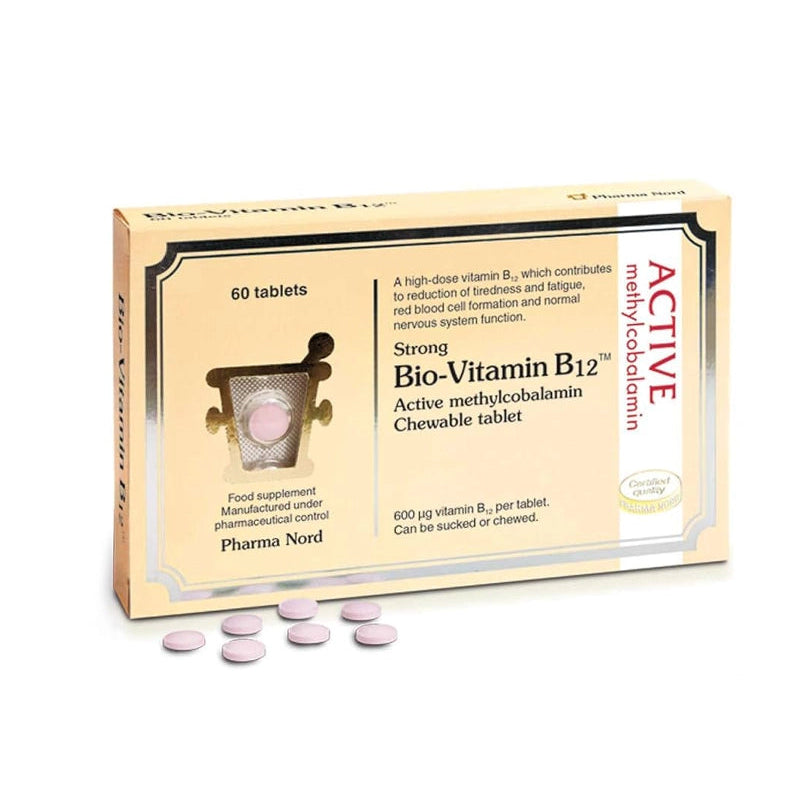
Vitamin B12
Vitamin B12 contributes to normal energy metabolism and nervous system function.
If intake or absorption is a concern, Vitamin B12 may support adequate intake as part of a balanced routine.
Frequently Asked Questions
Are these newer exercises safe for adults over 50?
Most are designed to be adaptable and joint-friendly. However, individuals with existing medical conditions should consult a healthcare professional before beginning a new exercise routine.
Do you need high-intensity workouts for heart health?
No. Moderate, consistent activity often provides strong cardiovascular benefits and may be easier to sustain long term.
How much exercise should adults over 50 aim for?
Many health organisations recommend around 150 minutes of moderate activity per week combined with strength or mobility training.
Final Takeaway
Exercise remains one of the most powerful tools for maintaining cardiovascular health after 50. Emerging training approaches such as Nordic walking, zone-based cardio, mobility flows, and exercise snacks provide new ways to stay active while supporting balance, mobility, and recovery.
The most effective routine is not necessarily the most intense – it is the one that can be maintained consistently over time.
This article is for educational purposes and does not replace personalised medical advice.