Inflammation is a natural part of the body’s defence system, but when it becomes chronic it can quietly influence many aspects of everyday health. Ongoing low-grade inflammation has been linked in research to poor digestive comfort, reduced energy levels, joint stiffness and an increased risk of several long-term conditions. Many people experience these issues without realising that their daily food choices can either calm or intensify the body’s inflammatory response.
The encouraging news is that diet is one of the most effective ways to support the body’s natural balance. A consistent eating pattern that focuses on whole, nutrient-dense foods can help the body manage inflammation in a gentle and sustainable way. Studies on Mediterranean-style diets, antioxidant-rich foods and the gut microbiome all show that certain ingredients contain compounds that support normal inflammatory processes.
As a trusted provider of natural health information since 1986, Dulwich Health encourages a balanced, research-aware approach to wellbeing. This article brings together current findings from nutritional science to help you understand which foods support a healthier inflammatory response. These foods do not replace medical treatment, but they can complement a healthy lifestyle and provide valuable support for long-term wellness.
Table of Contents
Jump to any section to explore specific foods and practical tips for building an anti-inflammatory way of eating.
- Omega-3 Rich Foods
- Fruits with Antioxidant and Polyphenol Activity
- Vegetables, Whole Grains and Legumes
- Healthy Fats and Oils
- Herbs, Spices and Functional Plant Ingredients
- Supportive Foods Identified in Newer Research
- Foods to Limit for a Less Inflammatory Diet
- How to Build an Anti-Inflammatory Plate
- Anti-inflammatory Diet FAQ
- Final Thoughts
Omega-3 Rich Foods

Why Omega-3s Help
Omega-3 fatty acids play an important role in supporting the body’s natural inflammatory response. They help the body produce signalling compounds that promote balance rather than excess inflammation. Research consistently shows that marine-based omega-3s, particularly EPA and DHA, have the strongest evidence for beneficial effects. These are found mainly in oily fish and are more readily used by the body than plant-based omega-3s. Including a variety of omega-3 rich foods each week can be a simple and effective way to support overall wellbeing.
Fatty Fish
Fatty fish are among the richest natural sources of EPA and DHA. Salmon, sardines, mackerel and anchovies provide a highly absorbable form of omega-3 that has been widely studied for its role in supporting cardiovascular health, joint comfort and the body’s normal inflammatory pathways. For most adults, national dietary guidelines suggest aiming for two portions of oily fish per week.
These fish can be enjoyed grilled, baked or added to salads, pasta dishes and wholesome grain bowls. Tinned sardines or mackerel offer a convenient option, making it easy to add omega-3s to a busy weekday meal.
Nuts and Seeds
Walnuts, chia seeds and flaxseeds provide ALA, a plant-based form of omega-3. Although ALA must be converted by the body into EPA and DHA, including these foods still contributes valuable nutritional support, especially for those who follow a plant-focused or vegetarian diet. Walnuts can be added to porridge, yoghurt or salads for extra crunch and healthy fats. Chia seeds work well in smoothies or overnight puddings, while flaxseeds can be sprinkled onto whole grain cereals or blended into baked goods.
Using a mix of marine and plant sources ensures a balanced intake and gives the body consistent access to the nutrients it needs to regulate inflammation naturally.
Fruits with Antioxidant and Polyphenol Activity

Why Antioxidants Matter
Fruits are naturally rich in antioxidants and polyphenols, two groups of compounds that help counter oxidative stress. Oxidative stress occurs when the body produces more free radicals than it can neutralise. This imbalance can encourage inflammation over time. Colourful fruits contain a wide range of protective plant compounds that help the body maintain balance. Including different colours and varieties each day provides a broad spectrum of antioxidants that support overall cellular health and the body’s normal inflammatory response.
Berries
Blueberries, raspberries, strawberries and blackberries are some of the most antioxidant-rich foods available. Their deep colours come from anthocyanins, a group of flavonoids that have been widely studied for their potential influence on inflammation pathways. Research suggests that regular berry consumption may help reduce markers of inflammation and support vascular health. Berries are easy to enjoy in smoothies, mixed with yoghurt, added to porridge or eaten on their own as a natural, nutrient-dense snack.
Tomatoes
Tomatoes contain lycopene, a powerful antioxidant known for its protective properties. Lycopene is more bioavailable when tomatoes are cooked, which means tomato sauces, soups and roasted tomatoes can offer additional benefits compared to raw varieties. Regularly including tomatoes in your meals adds both flavour and a steady supply of polyphenols that support the body’s natural balance.
Citrus Fruits
Oranges, lemons, grapefruits and limes are excellent sources of vitamin C, an essential antioxidant that supports immune function and helps protect cells from oxidative stress. Vitamin C also assists in collagen formation and general tissue repair. Citrus fruits can be eaten fresh, juiced for dressings or added to salads, fish dishes and herbal teas to provide a refreshing and nutrient-rich boost.
Cherries
Tart cherries, in particular, have gained attention for their potential influence on inflammation markers. Their deep red colour reflects a high concentration of anthocyanins and other beneficial plant compounds. Some studies suggest that tart cherry juice may help support joint comfort and post-exercise recovery. Fresh or frozen cherries make an appealing addition to breakfasts, smoothies or baked dishes.
Avocados
Avocados are unique among fruits because they combine antioxidants with healthy fats. They contain carotenoids, vitamin E and fibre, along with monounsaturated fats that support heart health and satiety. These nutrients work together to help the body maintain a balanced inflammatory response. Avocados can be added to salads, blended into smoothies or enjoyed on whole grain toast for a nourishing, versatile option.
Vegetables, Whole Grains and Legumes

Why Fibre and Phytonutrients Matter
Vegetables, whole grains and legumes provide some of the most important nutrients for managing inflammation, largely due to their high fibre and phytonutrient content. Fibre supports digestive health by feeding beneficial bacteria in the gut. A balanced and diverse gut microbiome has been linked with healthier inflammatory responses throughout the body. Phytonutrients, which include flavonoids, carotenoids and other plant compounds, help protect cells from oxidative stress and provide ongoing support for long-term wellbeing. Eating a wide range of plant foods each day helps maintain a healthy gut environment and encourages systemic balance.
Leafy Greens
Leafy greens such as spinach, kale and collard greens are rich in vitamins A, C and K, along with a wide variety of antioxidants. These nutrients support immune function, bone health and healthy tissue repair. Their natural phytonutrients help protect cells and contribute to the body’s normal inflammatory control. Leafy greens can be eaten raw in salads, wilted into soups, added to omelettes or blended into smoothies.
Cruciferous Vegetables
Cruciferous vegetables include broccoli, cauliflower and Brussels sprouts. They contain sulforaphane, a plant compound studied for its potential to support detoxification pathways and protect cells from oxidative stress. These vegetables are highly versatile and can be roasted, steamed, sautéed or added to warm grain bowls. Regular intake helps provide a steady supply of protective phytonutrients.
Colourful Vegetables
Vegetables such as bell peppers, carrots and beetroot add both colour and nutritional depth to meals. Bell peppers contain vitamin C, while orange and red vegetables supply carotenoids, which act as antioxidants in the body. Beetroot provides dietary nitrates that support circulation. Including a variety of colours ensures a broad intake of different plant compounds that contribute to a healthier inflammatory response.
Whole Grains
Whole grains like oats, barley, brown rice and quinoa contain more fibre, vitamins and minerals than their refined counterparts. Choosing whole grains helps support digestive health and provides a slow and steady release of energy. Oats and barley are particularly rich in beta-glucans, a type of soluble fibre known for its potential benefits in cholesterol management and gut health. Incorporating whole grains into daily meals, such as porridge for breakfast or quinoa salads for lunch, helps maintain steady energy levels and supports long-term wellness.
Beans and Legumes
Lentils, black beans and chickpeas are valuable sources of plant protein, fibre and polyphenols. Their high fibre content helps nourish beneficial gut bacteria, contributing to a balanced microbiome. Polyphenols provide additional antioxidant support. Beans and legumes are versatile, budget-friendly and can be used in soups, stews, salads or homemade dips. Their slow-digesting carbohydrates make them a helpful addition to an anti-inflammatory eating pattern.
Fermented Foods
Fermented foods such as yoghurt, kefir, sauerkraut and kimchi contain beneficial bacteria that help support a healthy gut microbiome. A diverse and well-balanced microbiome may influence the body’s inflammatory pathways, making fermented foods an important addition to an anti-inflammatory diet. Yoghurt and kefir can be enjoyed at breakfast or as snacks, while sauerkraut and kimchi pair well with salads, grains and warm dishes. Regular inclusion of fermented foods can help strengthen digestive resilience and contribute to overall wellbeing.
Healthy Fats and Oils

Extra Virgin Olive Oil
Extra virgin olive oil is one of the most widely recognised sources of healthy fats in an anti-inflammatory diet. It contains phenolic compounds, including oleocanthal, which has been studied for its potential to support the body’s normal inflammatory processes. Cold-pressed EVOO is preferred because it retains more of these beneficial compounds compared to refined oils, which undergo higher heat and heavier processing.
Practical ways to enjoy extra virgin olive oil include drizzling it over salads, vegetables and cooked grains, or using it for cooking at medium heat. It works well in homemade dressings, marinades and simple dips. Its rich flavour and versatility make it easy to include as part of an everyday eating pattern.
Avocados and Nuts
Avocados and nuts provide generous amounts of monounsaturated fats, which support heart health and help keep meals satisfying. These fats can contribute to a steady release of energy and may encourage healthier inflammatory balance when they replace processed fats such as margarine, refined vegetable oils or fried foods.
Avocados offer additional nutrients, including vitamin E, fibre and plant antioxidants. Nuts provide protein, minerals and a variety of phytonutrients alongside their healthy fats. Including a handful of nuts as a snack, adding sliced avocado to salads or using chopped nuts as a topping for porridge are simple ways to bring more whole-food fats into your diet.
Herbs, Spices and Functional Plant Ingredients

Why Herbs and Spices Are Potent
Herbs and spices are among the most concentrated sources of plant compounds in the diet. Even small amounts can deliver significant levels of phytochemicals that support the body’s natural inflammatory pathways. Many spices have been studied for their antioxidant and bioactive properties, and they offer a simple, flavourful way to enhance meals while contributing to overall wellbeing. Incorporating a variety of herbs and spices each day helps provide a wide range of protective plant compounds.
Turmeric
Turmeric is known for its bright yellow colour and its active compound, curcumin. Curcumin has been the subject of extensive research for its potential to support the body’s normal inflammatory response. Although turmeric contains only a small percentage of curcumin, regular use can still contribute beneficial plant compounds to the diet. For better absorption, turmeric is often combined with black pepper, which contains piperine, a compound that may help improve curcumin’s bioavailability. Turmeric can be added to soups, stews, curries and warm drinks.
Ginger
Ginger has a long history of use in traditional wellness practices and is valued for its warming, soothing qualities. Modern research suggests that ginger may influence inflammation pathways and support digestive comfort. Fresh ginger can be grated into stir-fries, soups and teas, while ground ginger works well in baking and seasoning blends. Its versatility makes it easy to include in both sweet and savoury dishes.
Garlic
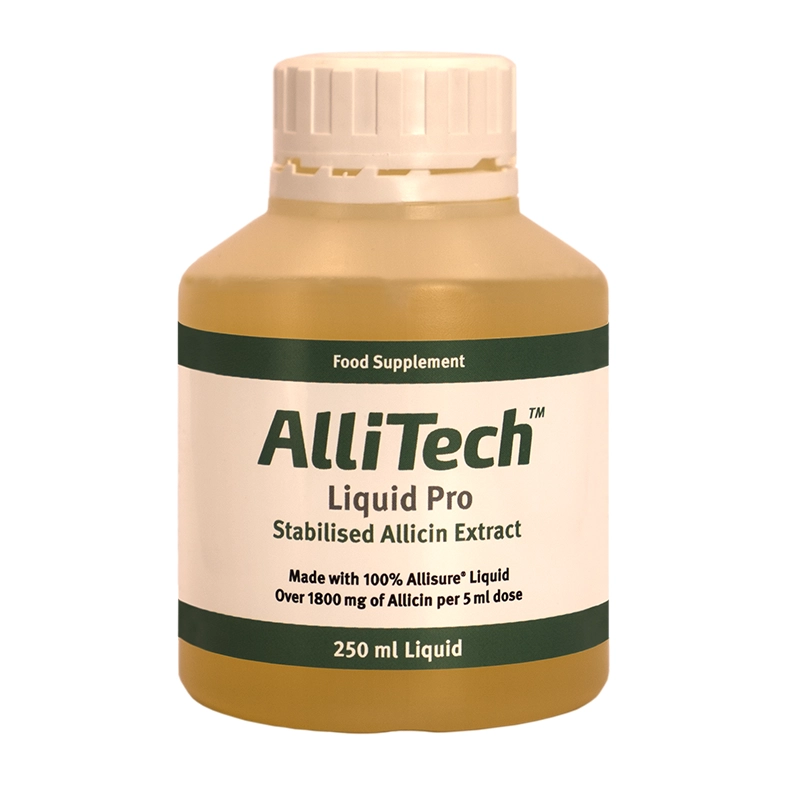
Garlic contains sulphur-based compounds, including allicin, which are thought to contribute to its supportive effects on inflammatory balance and immune function. These compounds develop when garlic is chopped or crushed, releasing its natural active elements. Garlic’s properties align with the scientific interest in allicin, the same compound highlighted in Dulwich Health’s work with natural health and wellbeing. Garlic can be added to almost any dish, from roasted vegetables to soups and sauces, making it a simple and beneficial daily ingredient.
Cinnamon
Cinnamon is rich in antioxidants and has been linked to more stable blood sugar levels, which can support overall metabolic health. Its sweet, warming flavour makes it an easy way to add depth to porridge, yoghurt, baked fruit or smoothies. Cinnamon can also be used in savoury dishes, especially those with Middle Eastern or North African influences.
Chilli and Cayenne Peppers
Chilli and cayenne peppers contain capsaicin, a compound that provides heat and may help support circulation. Capsaicin has been studied for its potential influence on inflammation-related pathways. Adding a small amount of fresh chilli, dried flakes or cayenne powder to meals can introduce both flavour and functional plant compounds. These ingredients work well in sauces, stir-fries, marinades and soups.
Green Tea
Green tea is rich in catechins, particularly EGCG, which is known for its antioxidant activity. These compounds help protect cells from oxidative stress and may support metabolic health. Drinking green tea regularly provides a gentle daily source of these beneficial plant compounds. It can be enjoyed hot, iced or blended into smoothies for a refreshing alternative to standard teas.
Dark Chocolate
Dark chocolate with a cocoa content of 70 percent or higher contains a notable concentration of flavanols and polyphenols. These compounds act as antioxidants and may help support heart and vascular health. A small portion of dark chocolate can be a satisfying way to include additional plant-based compounds in the diet. Choosing varieties with minimal added sugar ensures the greatest nutritional benefit.
Supportive Foods Identified in Newer Research

Lean Poultry and Eggs
Recent anti-inflammatory diet indices have begun to highlight lean poultry and eggs as supportive options when included as part of a balanced eating pattern. While they are not traditionally viewed as anti-inflammatory foods, newer assessments suggest that moderate consumption of these protein sources can fit comfortably within a diet designed to promote overall wellbeing. Lean poultry provides high-quality protein with lower saturated fat than processed or fatty meats, while eggs offer essential nutrients such as choline, B vitamins and antioxidants like lutein. Enjoying these foods in moderation, alongside plenty of plant-based ingredients, helps maintain dietary balance and supports long-term health.
Coffee in Moderation
Coffee contains a range of polyphenols, including chlorogenic acids, which are known for their antioxidant properties. Observational studies have linked moderate coffee consumption with lower levels of certain inflammatory markers. While this does not mean coffee is an anti-inflammatory food in the strictest sense, it can contribute beneficial plant compounds when consumed sensibly. Most people find that one to two cups per day works well, provided caffeine intake does not interfere with sleep or increase anxiety. Choosing freshly brewed coffee with minimal added sugar or cream allows you to benefit from its natural antioxidants.
Foods to Limit for a Less Inflammatory Diet

Why Certain Foods Increase Inflammatory Load
While many foods can help support the body’s natural inflammatory balance, others may aggravate inflammation when eaten too often. These foods tend to be low in nutrients yet high in added sugars, unhealthy fats or artificial ingredients. Eating them in excess can place strain on the body, contribute to oxidative stress and disrupt blood sugar stability, all of which can influence inflammatory pathways over time. Being aware of these triggers helps create a more balanced and supportive eating pattern.
Typical Items to Reduce
Ultra-processed foods
Products that contain multiple additives, high levels of salt or artificial preservatives can contribute to inflammation when consumed regularly. This includes packaged snacks, fast food and ready meals.
Sugary drinks
Soft drinks, sweetened juices and energy drinks can cause rapid spikes in blood sugar, which may contribute to inflammatory responses.
Excessive red and processed meats
Processed meats such as sausages, bacon and ham often contain added preservatives and saturated fats. Eating these foods too frequently has been linked with higher levels of inflammatory markers.
Trans fats
Found in some fried foods, baked goods and hydrogenated oils, trans fats are widely associated with increased inflammation and negative effects on cardiovascular health.
Refined grains
Products made with white flour, such as pastries and many packaged breads, offer less fibre and fewer nutrients than whole grains. This can lead to more rapid increases in blood sugar and less support for gut health.
High sugar snacks
Sweets, cakes and biscuits can contribute to inflammation when eaten in large amounts due to their combination of added sugars and refined ingredients.
A Balanced Note
It is important to remember that occasional enjoyment of these foods is perfectly normal. The goal is not perfection but balance. What matters most is your overall eating pattern. Focusing on whole, colourful and minimally processed foods the majority of the time helps support long-term wellbeing while still allowing flexibility and enjoyment in your diet.
How to Build an Anti-Inflammatory Plate
Creating an anti-inflammatory meal does not require strict rules or complicated planning. A simple and balanced approach can make a meaningful difference when followed consistently. One helpful formula is to divide your plate into three main sections. Half the plate should contain vegetables, ideally a mix of leafy greens, cruciferous vegetables and colourful options. One quarter should include whole grains such as brown rice, quinoa or oats, and the remaining quarter should feature a lean protein source such as fish, poultry, eggs, beans or lentils.
Adding herbs and spices to each meal helps increase your intake of beneficial plant compounds without adding extra calories or effort. Ginger, turmeric, garlic, cinnamon and chilli are easy to incorporate into everyday cooking and add both flavour and functional benefits.
Healthy swaps can also support a more balanced inflammatory response. Replace processed snacks with fruit, nuts or yoghurt to provide fibre and antioxidants. Use extra virgin olive oil instead of butter for cooking or dressing salads to increase your intake of healthy fats. Aim for at least two servings of fatty fish each week to provide a steady source of marine-based omega 3s.
Finally, try to include a variety of colours on your plate each day. Eating five colours of vegetables helps ensure you receive a broad spectrum of phytonutrients that support overall wellbeing and natural inflammatory balance.
Anti-inflammatory Diet FAQ
Answers to common questions about eating to support the body’s natural inflammatory balance.
1. What to Eat (and What to Avoid)
What are the absolute worst foods that cause inflammation?
Is an anti-inflammatory diet the same as the Mediterranean diet?
Are nightshade vegetables inflammatory?
Do I have to give up all grains?
2. Effectiveness and Results
How long does it take for an anti-inflammatory diet to work?
Will an anti-inflammatory diet help me lose weight?
Is food the only thing that matters for inflammation?
3. The Science Behind It
What compounds in foods actually fight inflammation?
What is the deal with omega-6 fats? Are they bad?
Can supplements replace an anti-inflammatory diet?
This information is for general educational purposes only and is not a substitute for personalised medical advice. If you have a diagnosed condition or take prescribed medication, please speak with a qualified health professional before making significant changes to your diet or supplement routine.
Final Thoughts
Anti-inflammatory foods play an important role in supporting general wellbeing, digestive comfort and steady energy levels. When included regularly as part of a balanced eating pattern, these foods help the body maintain its natural inflammatory response and contribute to long-term health. The key is consistency. Small daily choices, such as adding more vegetables to your meals or choosing whole grains over refined alternatives, can offer meaningful benefits over time.
This approach reflects Dulwich Health’s holistic philosophy, which emphasises the value of nutrient-rich foods and natural ingredients in supporting the body’s own processes. Many of the foods highlighted in this guide also tie into broader areas of interest for readers who follow a natural health lifestyle. Those exploring gentle ways to support gut health may wish to learn more about oxygen-based colon cleanse support, while anyone interested in the benefits of garlic’s active compounds may be encouraged by the growing research into allicin and its natural properties. These options can sit alongside a diet rich in whole foods to enhance overall wellness.
As always, dietary changes should complement professional medical guidance, particularly for individuals managing diagnosed inflammatory conditions or chronic health concerns. A personalised approach, informed by both evidence and professional advice, offers the most reliable path to better long-term health.
Research References
Below are selected evidence-based sources that support the nutritional and scientific information discussed in this article.
- Harvard T. H. Chan School of Public Health – Omega-3 Fatty Acids Visit source
- National Institutes of Health – Omega-3 Fatty Acids Fact Sheet Visit source
- National Library of Medicine – Anthocyanins and Inflammation Visit source
- Harvard Health – Lycopene and Cardiovascular Support Visit source
- NIH – Vitamin C Fact Sheet Visit source
- Linus Pauling Institute – Sulforaphane Overview Visit source
- Harvard Nutrition Source – Whole Grains Visit source
- Harvard Medical School – Gut Microbiota and Health Visit source
- UC Davis Olive Center – Olive Oil Research Visit source
- NHS – Mediterranean Diet Overview Visit source
- Examine.com – Curcumin Research Summary Visit source
- National Library of Medicine – Ginger and Inflammatory Conditions Visit source
- National Library of Medicine – Allicin (Garlic Compound) Overview Visit source
- Cleveland Clinic – Chronic Inflammation Overview Visit source