Low energy is often brushed off as stress, ageing, or even laziness – but in many cases, it’s the body signalling that something is out of balance. Feeling constantly tired isn’t about motivation; it’s about how well your body is producing energy and delivering oxygen and nutrients to your cells.
Energy and heart health are closely linked. The heart is one of the most energy-hungry organs in the body, and when nutrients that support red blood cells, circulation, and cellular energy are lacking, fatigue is often one of the first signs. Vitamin B12 plays a key role here, helping the body release energy from food and supporting normal red blood cell formation – both essential for maintaining stamina and mental clarity.
What Is Vitamin B12?
Vitamin B12, also known as cobalamin, is a water-soluble vitamin that your body cannot make on its own. It’s mainly found in animal-based foods such as meat, fish, eggs, and dairy. That makes it especially tricky for vegans, vegetarians, and even older adults to maintain healthy levels.
We’ve been supporting nutritional wellbeing since 1986 and regularly hear from customers who are surprised to learn that low B12 may be contributing to ongoing tiredness, low mood, or concentration issues.

Why Is It So Important?
Vitamin B12 is involved in some of the body’s most critical functions:
-
Energy Production – Helps convert food into energy at the cellular level.
-
Red Blood Cell Formation – Contributes to normal red blood cell formation and supports oxygen delivery.
-
Brain & Nerve Health – Maintains the protective myelin sheath around nerves.
-
Mood & Mental Clarity – Supports neurotransmitter balance and normal psychological function and mental clarity
-
Heart Health – Regulates homocysteine, a marker linked to cardiovascular risk.
Who Is at Risk of Deficiency?
Vitamin B12 supports DNA synthesis, energy metabolism, and nervous system health; deficiency is common where dietary intake or absorption is limited and may contribute to symptoms that are frequently overlooked. Sub-clinical deficiency – even without obvious anaemia – has been linked to adverse effects on cognitive, vascular, bone and eye health in research reviews.
Low levels of B12 are surprisingly common. You may be at higher risk if you:
-
Follow a vegetarian or vegan diet.
-
Are over 50, as stomach acid (needed for absorption) naturally declines with age. Absorption efficiency declines with age and may contribute to functional deficiency in older adults, even when intake appears adequate.
-
Take medications such as metformin or proton pump inhibitors.
-
Have digestive conditions like Crohn’s, celiac, or IBS.
Common Signs of Low B12
-
Constant fatigue or weakness.
-
Pale skin or anaemia.
-
Tingling or numbness in hands and feet.
-
Poor concentration or memory lapses.
-
Low mood or irritability.
The NHS notes that B12 deficiency may cause tiredness, pins and needles, memory issues, and mood changes – sometimes before anaemia is detectable – and recommends clinical testing if these symptoms occur.
How Vitamin B12 Is Absorbed (and Why It Matters)
Vitamin B12 absorption is a multi-step process that relies on adequate stomach acid, intrinsic factor, and healthy intestinal function. This is why deficiency can occur even when dietary intake appears sufficient.
Certain forms of B12, such as methylcobalamin and hydroxocobalamin, are commonly used in supplements because they are biologically active and well-researched. Sublingual or oral high-strength formats may be helpful for people with reduced absorption, although needs vary between individuals.
How to Get Enough B12
Food sources include red meat, fish, poultry, eggs, and dairy - but absorption varies greatly from person to person. For some people, particularly those at higher risk of deficiency, supplementation may be a practical way to help maintain adequate intake alongside a balanced diet. High-quality B12 supplements provide a reliable and easy way to support your levels daily.

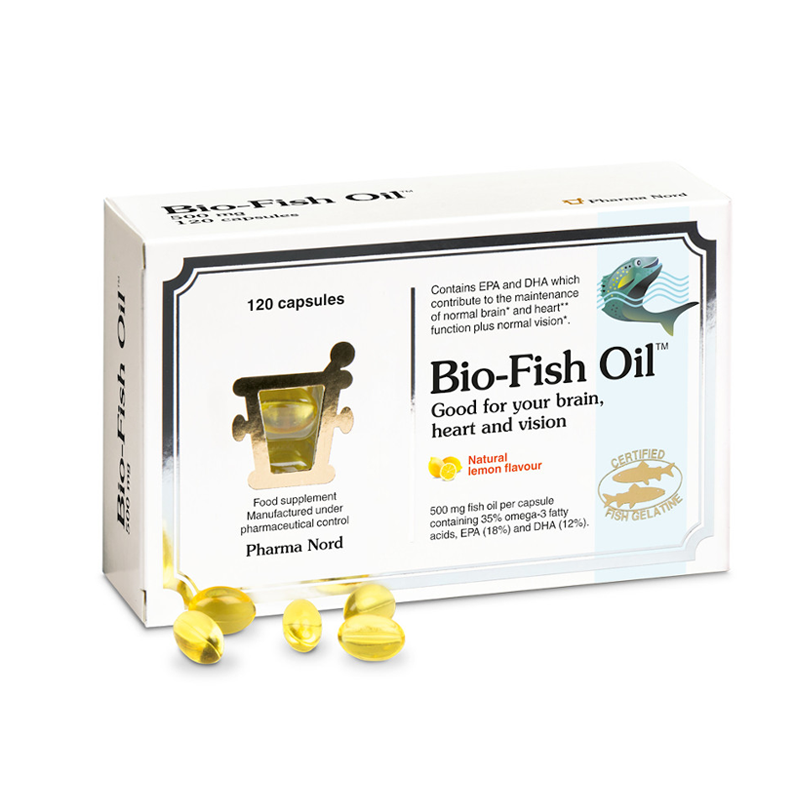
While Vitamin B12 is a foundational nutrient for energy, it works alongside others. B-complex vitamins support energy metabolism, Coenzyme Q10 helps cells produce energy efficiently, and omega-3 fatty acids from fish oil support normal heart and circulation function. However, B12 deficiency is particularly common and frequently overlooked, making it an important place to start when low energy becomes persistent.
Reframing fatigue as a health signal—rather than a personal failing—can be the first step toward better long-term wellbeing. Supporting energy at a nutritional level doesn’t just help you feel more alert day to day; it also supports the systems that keep your heart, brain, and metabolism functioning well.
The Takeaway
Vitamin B12 may not always make the headlines, but it is essential for a vibrant, energetic, and focused life. Whether you’re looking to boost energy, protect long-term health, or simply feel more like yourself, paying attention to B12 could be the missing piece.
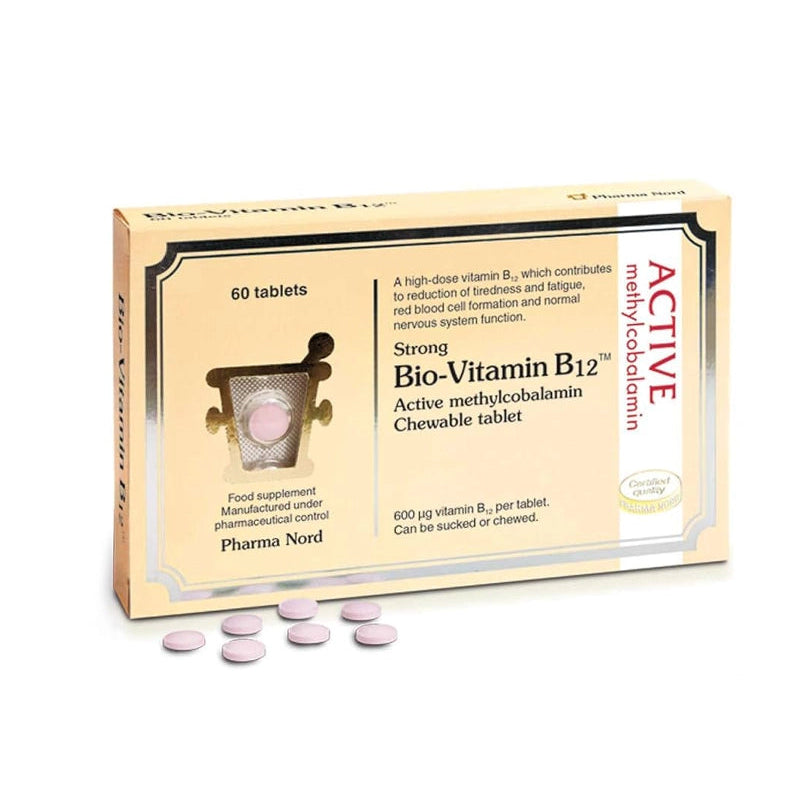
👉 Explore Bio-Vitamin B12 at Dulwich Health - Pharma nord's B12 is formulated to provide a reliable source of vitamin B12 for those looking to support normal energy metabolism and nervous system function as part of a healthy lifestyle.
Supporting energy is not just about feeling less tired – it’s a reflection of how well your heart, blood, and nervous system are being nourished.
If you have symptoms of deficiency, are pregnant, breastfeeding, or taking medication, speak to a healthcare professional before starting supplements. Food supplements should not replace a varied diet and healthy lifestyle.