A deep dive into the biochemical pathways of ATP production, the role of micronutrients, and evidence-based strategies to restore natural vitality.
Updated: 6 March 2026 | Reviewed by Dulwich Health
Persistent fatigue is more than a simple lack of sleep; it is a systemic challenge that can disrupt every facet of daily life, from cognitive focus and emotional regulation to physical endurance. While lifestyle factors like stress and poor sleep hygiene are common contributors, the ultimate foundation of energy is biological. It resides in the microscopic world of the mitochondria—the specialized organelles within our cells responsible for generating the power that fuels human life.
In this comprehensive guide, we examine the nutritional and biochemical requirements for ATP (Adenosine Triphosphate) production. We will explore how modern dietary patterns, environmental stressors, and specific nutrient gaps can lead to "metabolic friction," resulting in chronic tiredness. This educational review has been prepared by Dulwich Health. Based in the UK, we have spent four decades supporting over 30,000 customers with high-quality, pharmaceutical-grade supplements and evidence-informed health guidance. Our mission is to empower you to understand the why behind your symptoms so you can make informed choices for your long-term wellbeing.
Educational Note: The information provided here is for educational purposes and is not intended to diagnose or treat medical conditions. If you are experiencing unexplained, severe, or sudden-onset fatigue, it is essential to seek guidance from a qualified healthcare professional.
The Physiological Basis of Fatigue & Mitochondrial Function
To solve fatigue, we must first understand ATP. Adenosine Triphosphate is often called the "energy currency" of life. Every movement of your muscles, every thought in your brain, and every heartbeat is "paid for" using ATP. The vast majority of this energy is produced within your mitochondria through a process called oxidative phosphorylation.
When our energy levels drop, it is often a sign of Mitochondrial Dysfunction. This occurs when these powerhouses are either under-supplied with raw materials or damaged by external factors. Key impediments to mitochondrial efficiency include:
- Nutrient Depletion: The chemical reactions that produce energy require specific cofactors. If you lack B-vitamins or Magnesium, the "conveyor belt" of energy production slows down.
- Oxidative Stress: Mitochondria are sensitive to damage from free radicals. Chronic inflammation, high-sugar diets, and environmental toxins can degrade the mitochondrial membranes, making them "leaky" and inefficient.
- Hormonal Interplay: Thyroid hormones and cortisol act as the "thermostat" for energy production. If these are out of balance, your mitochondria may not receive the signal to produce energy, even if the raw materials are present.
 The Krebs Cycle: How Nutrients Become Energy
At the heart of energy production is the Citric Acid Cycle (or Krebs Cycle). This is the set of chemical reactions used by all aerobic organisms to generate energy. It is a complex loop where fats, proteins, and carbohydrates are converted into electrons that ultimately power the "Electron Transport Chain."
Every step of this cycle is "enzyme-dependent." These enzymes cannot function without specific vitamins and minerals. For instance, the enzyme alpha-ketoglutarate dehydrogenase requires Vitamin B1 (Thiamine), B2 (Riboflavin), B3 (Niacin), B5 (Pantothenic Acid), and Lipoic Acid to function. If even one of these is low, the entire energy loop stalls.
Essential Nutrients for Energy Metabolism
To restore vitality, we must ensure the body has a consistent supply of "high-bioavailability" nutrients that support these pathways.
1. The B-Vitamin Complex (Focus on B12 and Folate)
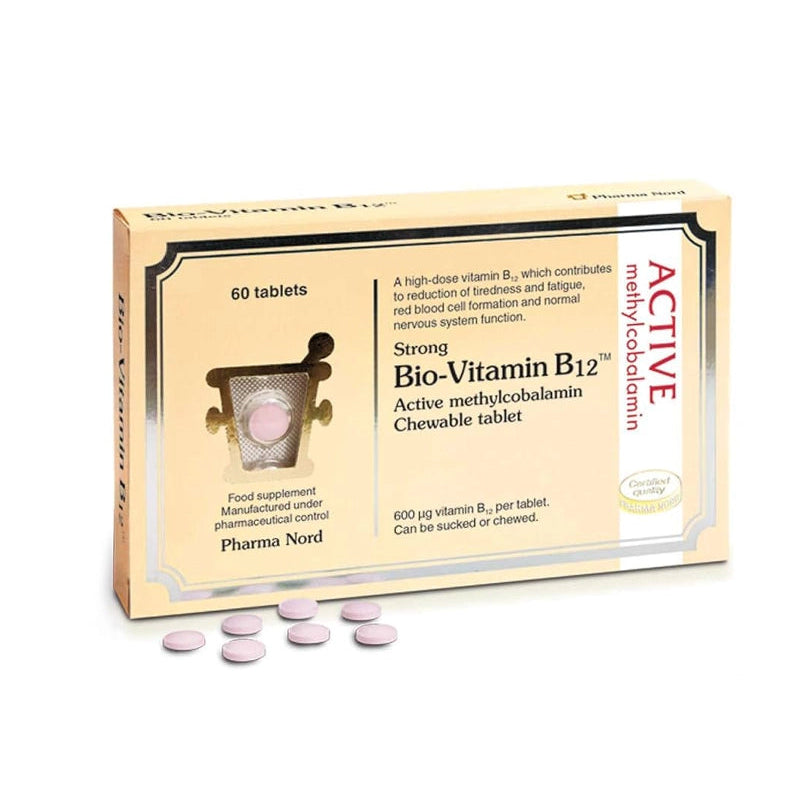
B-vitamins are water-soluble, meaning the body does not store them in large quantities; they must be replenished daily. Vitamin B12 and Folate (B9) are particularly vital for the production of red blood cells, which transport the oxygen needed for energy production.Low B12 levels are notoriously linked to "megaloblastic anemia," where blood cells are too large and inefficient, leading to profound lethargy. For those on plant-based diets or individuals with compromised digestion, B12 supplementation is often essential.View our Vitamin B range →
2. Magnesium: The ATP Anchor
Magnesium is involved in over 300 enzymatic reactions, but its most critical role in energy is its relationship with ATP. In its biological state, ATP is almost always bound to a magnesium ion Mg2. This makes the ATP molecule "stable" and ready to be used.Without sufficient magnesium, the energy your cells produce stays "locked." Chronic stress significantly increases the rate at which the body excretes magnesium, which explains why periods of high stress are almost always followed by periods of deep fatigue.Explore Bio-Magnesium →
3. Coenzyme Q10 (CoQ10): The Electron Carrier
CoQ10 is a fat-soluble molecule found in every cell membrane, but it is most concentrated in high-energy organs like the heart and brain. It acts as a shuttle, carrying electrons through the mitochondrial transport chain.Research suggests that as we age, our natural production of CoQ10 drops significantly. Furthermore, common medications like statins can inhibit the body's synthesis of CoQ10, leading to the "muscle fatigue" often reported by patients. Supplementing with a high-quality CoQ10 can help "grease the wheels" of cellular energy production.
Oxygen Transport: The Role of Iron and Ferritin
You can have the most efficient mitochondria in the world, but if they don't have oxygen, they cannot produce energy effectively. This is where Iron becomes non-negotiable. Iron is the core of the hemoglobin molecule in your red blood cells.Iron deficiency is the most common nutritional deficiency worldwide. It is important to look at Ferritin levels (your iron stores) rather than just a standard hemoglobin test, as "sub-clinical" iron deficiency can cause significant fatigue long before full-blown anemia sets in. Note: Iron should only be supplemented after a blood test, as excessive iron (hemochromatosis) can be toxic.
Evidence-Based Supplementation Strategies
To avoid "expensive urine" and ensure your body actually uses what you take, follow these strategic guidelines:
- Bioavailability is King: Not all supplements are created equal. For example, Magnesium Oxide is poorly absorbed (around 4%), whereas Magnesium Acetate or Hydroxide (as found in Pharma Nord formulations) are designed for rapid dissolution and absorption.
- The Power of Synergy: Nutrients work in teams. Vitamin C helps you absorb iron; Vitamin B6 helps magnesium enter the cells; and Vitamin B12 works in tandem with Folate. Look for "Complex" formulas rather than isolated nutrients.
- Consistency Over Potency: It is better to take a moderate dose consistently for three months than a massive dose sporadically. Your cells need time to rebuild their mitochondrial density.
Supporting Mitochondrial Efficiency Naturally
Supplements provide the raw materials, but lifestyle provides the signal to produce energy.
- Circadian Alignment: Your mitochondria have their own "clocks." Exposure to bright light within 30 minutes of waking triggers the release of cortisol, which sets your energy levels for the day. Conversely, avoiding blue light at night allows for the "deep repair" phase of sleep.
- Hydration & Electrolytes: Even 1% dehydration can slow down metabolic processes. Magnesium, Potassium, and Sodium are the "electricity" of the body; without them, nerve signaling and muscle contraction (which require energy) falter.
- Hormetic Stress: Concepts like cold showers or brief periods of high-intensity exercise trigger a process called mitochondrial biogenesis – literally the creation of new, stronger mitochondria.
Expanded Frequently Asked Questions
Final Thoughts
Restoring energy is about removing "metabolic friction." By ensuring your mitochondria have the oxygen, cofactors, and antioxidants they need, you move from "surviving" to "thriving." Whether it's through the fast-dissolving tri-source formula of Pharma Nord Bio-Magnesium or a high-potency B-Complex, quality and consistency are your two best allies.
Disclaimer: This content is for educational purposes and is not intended to replace professional medical advice. Always consult with a healthcare professional before beginning a new supplement regimen, especially if you are taking medication or have an underlying health condition.