Digestive symptoms such as persistent bloating, abdominal discomfort, excess gas, and irregular bowel movements are increasingly linked to Small Intestinal Bacterial Overgrowth (SIBO). This condition occurs when bacteria that normally reside in the large intestine begin to multiply in the small intestine, disrupting normal digestion and fermentation processes. For many people, SIBO can significantly affect quality of life and may overlap with other gastrointestinal conditions such as irritable bowel syndrome (IBS).
One area of ongoing discussion among researchers and practitioners is the role of probiotics in managing SIBO symptoms. Probiotics are live microorganisms that may help support a balanced gut microbiome. However, their use in SIBO has historically been controversial. Because the condition already involves an overgrowth of microbes in the small intestine, some clinicians have questioned whether adding more microorganisms could potentially worsen symptoms such as bloating or gas.
In recent years, this view has become more nuanced. Emerging research suggests that specific probiotic strains may play a supportive role in certain SIBO management strategies, particularly when used strategically and in combination with other approaches. Some strains may help improve digestive symptoms, support gut motility, or assist in restoring microbial balance after treatment. At the same time, responses to probiotics can vary widely between individuals, and they are not considered a standalone treatment for SIBO.
Understanding which probiotics may be helpful, when they should be used, and when caution is needed is therefore essential for anyone exploring gut health strategies.
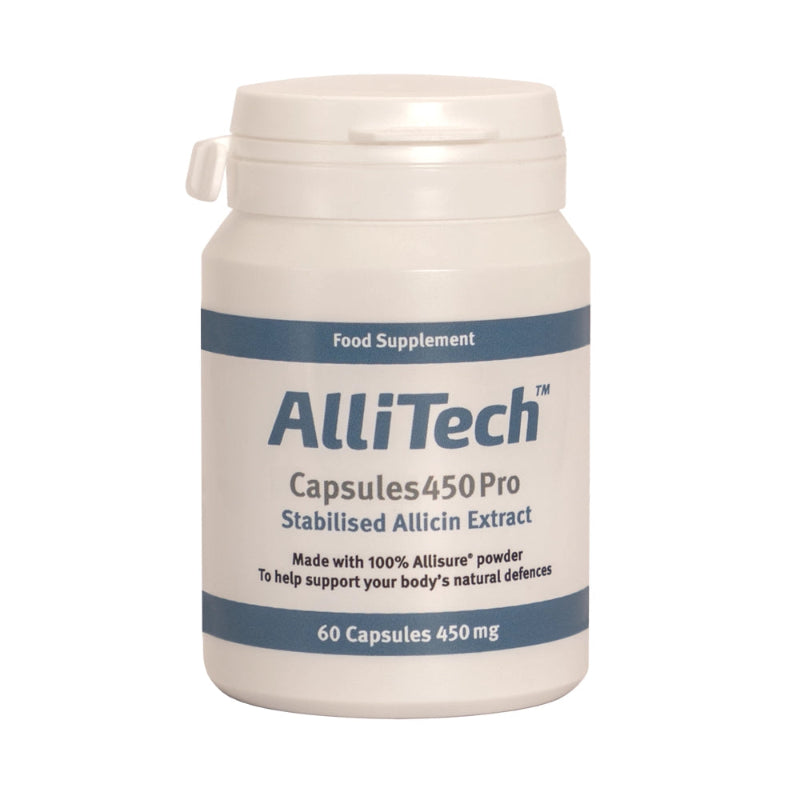
Since 1986, Dulwich Health has supported over 30,000 customers with carefully developed natural health solutions and educational resources focused on digestive wellbeing. Alongside a range of carefully selected supplements from trusted brands, Dulwich Health also offers its own specialist formulations, including AlliTech, which provides stabilised allicin derived from garlic, and OxyTech, an oxygen-based digestive cleanse designed to support a healthy gut environment.
In this article, we take a balanced, evidence-informed look at probiotics and SIBO, examining what current research suggests, which strains may offer supportive benefits, and how probiotics may fit into a broader gut health strategy.
On this page
Table of Contents
Jump straight to the section you want to read.
What Is Small Intestinal Bacterial Overgrowth (SIBO)?

Before exploring the role of probiotics, it is helpful to understand what Small Intestinal Bacterial Overgrowth (SIBO) actually is and why it can cause such disruptive digestive symptoms.
In a healthy digestive system, different parts of the gut contain different levels of bacteria. The large intestine (colon) is naturally home to trillions of microbes that play an important role in digestion, immunity, and nutrient production. The small intestine, however, normally contains far fewer bacteria because food moves through it relatively quickly and stomach acid helps limit microbial growth.
SIBO occurs when excess bacteria begin to colonise the small intestine, leading to abnormal fermentation of food before it has been fully digested and absorbed.
Understanding SIBO
When bacteria multiply in the small intestine, they begin to ferment carbohydrates prematurely. This fermentation process produces gases such as hydrogen, methane, and hydrogen sulphide, which can disrupt normal digestive function.
These gases are often what drive many of the uncomfortable symptoms associated with SIBO. In addition to gas production, bacterial overgrowth can interfere with the digestion and absorption of nutrients, particularly vitamin B12, iron, and fat-soluble vitamins.
SIBO is typically diagnosed using breath testing, which measures hydrogen and methane gases produced after consuming a test sugar solution. Elevated levels may suggest bacterial fermentation occurring in the small intestine.
Common Symptoms of SIBO
Symptoms can vary from person to person, but many individuals experience a combination of digestive and systemic effects. Common symptoms include:
- Persistent bloating, particularly after meals
- Excess gas or belching
- Abdominal pain or cramping
- Diarrhoea, constipation, or alternating bowel habits
- Feeling overly full after eating small amounts of food
- Brain fog or fatigue reported by some individuals
- Nutrient deficiencies in long-standing cases
Because these symptoms overlap with other digestive disorders, SIBO is sometimes misdiagnosed or overlooked.
What Can Contribute to SIBO?
SIBO rarely develops without an underlying cause. In many cases, it occurs when the mechanisms that normally keep bacteria moving through the digestive tract become impaired.
Several factors are commonly associated with increased risk, including:
- Impaired gut motility, where food and bacteria move too slowly through the small intestine
- Previous gastrointestinal infections that disrupt normal digestive signalling
- Low stomach acid, which normally helps limit bacterial survival
- Structural abnormalities, such as adhesions or diverticula in the small intestine
- Irritable bowel syndrome (IBS), which frequently overlaps with SIBO
Understanding these underlying factors is important, because managing SIBO often requires addressing the broader digestive environment rather than focusing on a single intervention.
With this background in mind, it becomes easier to understand why the role of probiotics in SIBO has been debated for many years. In the next section, we look at why probiotics were once considered controversial in SIBO management and how research perspectives have evolved.
Why Probiotics in SIBO Have Been Controversial
At first glance, using probiotics to support people with Small Intestinal Bacterial Overgrowth can seem counterintuitive. Since SIBO already involves an excessive concentration of microbes in the small intestine, some practitioners historically questioned whether introducing additional microorganisms might worsen the problem.
For many years, this concern shaped clinical thinking. The traditional approach to SIBO management focused primarily on reducing bacterial overgrowth, often through antibiotics, dietary interventions, or strategies designed to improve gut motility. Within this framework, probiotics were sometimes avoided out of concern that they could contribute to further microbial fermentation in the small intestine.
The Concern: “Adding More Bacteria”
One of the main reasons probiotics were considered controversial is the assumption that they simply introduce more bacteria into an already overgrown environment. Some individuals with SIBO report increased symptoms such as:
- Increased bloating
- More gas or abdominal discomfort
- Brain fog in certain cases
These experiences have reinforced the perception that probiotics may aggravate symptoms for some people. However, this response does not occur universally and may depend on factors such as the type of probiotic strain used, the timing of supplementation, and the individual’s existing gut microbiome.
Strain-Specific Effects Matter
Modern research has gradually shifted the conversation from “probiotics versus no probiotics” to a more nuanced question: which strains may be beneficial and under what circumstances?
Not all probiotics behave in the same way within the digestive system. Different microorganisms can have very different effects, including:
- Competing with unwanted bacteria for nutrients and space
- Supporting normal gut motility
- Producing compounds that influence microbial balance
- Helping restore microbiome diversity after antibiotic treatment
In addition, some probiotics are not bacteria at all. For example, Saccharomyces boulardii is a probiotic yeast that functions differently from bacterial strains and does not contribute to bacterial overgrowth.
A Shift Towards More Targeted Use
As research into the gut microbiome has expanded, some studies have begun to explore whether specific probiotic strains may support symptom management in certain SIBO cases, particularly when used strategically rather than indiscriminately.
For example, probiotics may sometimes be introduced:
- Alongside antibiotic therapy, to help maintain microbial balance
- After treatment, to support microbiome recovery
- As part of a broader gut health strategy, combined with dietary and lifestyle adjustments
While the scientific evidence is still evolving and results remain mixed, this strain-specific and context-dependent approach has led many practitioners to reconsider the potential role of probiotics in SIBO management.
What the Research Says About Probiotics and SIBO
Research into the relationship between probiotics and Small Intestinal Bacterial Overgrowth (SIBO) has grown significantly in recent years. While early clinical thinking often discouraged probiotic use in SIBO, more recent studies suggest that certain strains may support symptom management or microbial balance in some individuals. However, the scientific picture remains complex and results are not always consistent.
Evidence From Clinical Studies
Several clinical studies and systematic reviews have explored whether probiotics may help reduce symptoms associated with SIBO. Some findings suggest that specific probiotic strains may:
- Support reductions in bloating and abdominal discomfort
- Help improve stool consistency and digestive symptoms
- Assist in restoring microbial balance after antibiotic treatment
- Potentially reduce bacterial overgrowth in some cases
For example, some clinical investigations have reported that probiotics used alone or alongside antibiotics may contribute to improved breath test results and symptom relief in certain patient groups. In one study, the probiotic yeast Saccharomyces boulardii showed measurable improvements in SIBO eradication rates when used in combination with the antibiotic metronidazole compared with antibiotic treatment alone.
Other research has explored spore-forming probiotic strains such as Bacillus coagulans, which may survive stomach acid and reach the intestines more effectively. In one clinical study, a formulation containing Bacillus coagulans Unique IS-2 used alongside antibiotic therapy was associated with significant improvements in symptoms and breath test results.
These findings have encouraged further research into strain-specific probiotic protocols rather than broad probiotic use.
Why Results Vary Between Individuals
Despite these promising findings, probiotics do not produce the same results for everyone with SIBO. Several factors can influence how an individual responds, including:
- The type of SIBO involved (hydrogen, methane, or hydrogen sulphide dominant)
- The specific probiotic strain used
- The timing of supplementation, such as during or after treatment
- The overall balance of the gut microbiome
- Underlying conditions affecting gut motility or digestion
Because of these variables, probiotics are generally viewed as a supportive tool rather than a primary treatment for SIBO.
Current Perspective in Gut Health Research
The current scientific perspective is increasingly moving toward a targeted, personalised approach. Rather than recommending probiotics universally for all SIBO cases, many researchers suggest that specific strains may provide benefits when used appropriately and under professional guidance.
Importantly, probiotics are rarely considered a standalone strategy. Instead, they are often discussed as part of a broader digestive health approach that may include dietary adjustments, medical treatment, and measures designed to support the gut’s natural motility and microbial balance.
Probiotic Strains That May Support SIBO Management

As research into the gut microbiome has developed, scientists have increasingly recognised that not all probiotics behave the same way in the digestive system. Different strains can produce very different effects, which is particularly important in the context of SIBO.
Rather than introducing large numbers of general probiotic bacteria, some SIBO protocols focus on carefully selected strains that may support microbial balance, improve gut motility, or compete with unwanted microbes. Below are several probiotic strains that have been explored in clinical research related to digestive health and SIBO.
Saccharomyces boulardii
One of the most frequently discussed probiotics in SIBO management is Saccharomyces boulardii. Unlike most probiotics, this organism is a beneficial yeast rather than a bacterium.
This distinction is important because S. boulardii does not contribute to bacterial overgrowth and is naturally resistant to many antibiotics. As a result, it can sometimes be used during antibiotic treatment without being destroyed by the medication.
Research has suggested that S. boulardii may support digestive health in several ways:
- Helping maintain microbial balance in the gut
- Supporting the intestinal barrier
- Reducing the risk of certain antibiotic-related digestive disturbances
Some clinical studies examining SIBO protocols have found that S. boulardii may contribute to improved outcomes when used alongside antibiotics, though results vary between individuals.
Soil-Based (Spore-Forming) Probiotics
Another category that has received attention in SIBO discussions is soil-based or spore-forming probiotics. These probiotics form protective spores that allow them to survive harsh environments such as stomach acid.
Common strains studied in this category include:
- Bacillus coagulans
- Bacillus clausii
- Bacillus subtilis
Because these organisms are able to pass through the stomach in a dormant state, they may reach the intestines intact before becoming active. Some researchers believe this may allow them to support microbial balance without significantly increasing fermentation in the small intestine.
Certain strains of Bacillus coagulans, such as Unique IS-2, have been investigated in combination with antibiotic treatments in SIBO studies, with some trials reporting improvements in both symptoms and breath test markers.
Targeted Lactobacillus and Bifidobacterium Strains
Although traditional probiotic groups such as Lactobacillus and Bifidobacterium were once avoided in SIBO, more recent research suggests that specific strains within these families may still offer digestive benefits when used appropriately.
Some examples that have been explored in gut health research include:
Lactobacillus reuteri DSM 17938
This strain has been studied for its potential effects on gut motility and methane production. Because methane-producing microbes are often associated with constipation-dominant SIBO, improving intestinal movement may help reduce symptoms in certain cases.
Lactobacillus plantarum 299v
This well-researched strain has been examined for its ability to support digestive comfort, including reducing bloating and abdominal discomfort in some individuals with functional gastrointestinal symptoms.
Bifidobacterium infantis 35624
Known for its anti-inflammatory properties, this strain has been investigated for its potential to support gut barrier function and reduce digestive discomfort such as bloating and irregular bowel movements.
Why Strain Selection Matters
The key takeaway from current research is that probiotic strain selection is critical. While some strains may support digestive balance, others may aggravate symptoms if used incorrectly or introduced at the wrong stage of treatment.
For this reason, probiotic use in SIBO is often discussed as part of a targeted and personalised approach, rather than a one-size-fits-all solution.
When Is the Best Time to Use Probiotics for SIBO?
In addition to choosing the right probiotic strain, timing can play an important role in how probiotics affect SIBO symptoms. Introducing probiotics at the wrong stage of treatment may increase fermentation and discomfort for some individuals, while strategic use may help support microbial balance and recovery.
For this reason, many gut health practitioners consider probiotics as part of a structured digestive health protocol, rather than introducing them at random.
During Antibiotic Treatment
Antibiotics are commonly used in SIBO management to reduce bacterial overgrowth in the small intestine. During this phase, some probiotics may still be used, particularly strains that are not destroyed by antibiotics.
Two commonly discussed options include:
- Saccharomyces boulardii, a probiotic yeast that is naturally resistant to many antibiotics
- Spore-forming probiotics, such as certain Bacillus strains that can survive harsh digestive conditions
These probiotics may help support microbial balance during treatment and are sometimes used to reduce digestive side effects associated with antibiotics, although responses vary between individuals.
After Treatment
Many practitioners consider the period after antimicrobial or antibiotic treatment to be one of the most appropriate times to introduce a broader range of probiotics.
During this stage, the goal is often to help restore a more balanced gut microbiome and reduce the likelihood of bacterial overgrowth returning. Probiotics introduced at this point may help support:
- Microbial diversity in the gut
- Digestive comfort
- Recovery of beneficial bacteria that may have been reduced during treatment
Because the gut environment may still be sensitive during this period, probiotic strains are often introduced gradually while monitoring digestive symptoms.
Why Timing Matters
The digestive environment can change significantly throughout different stages of SIBO management. Introducing probiotics too early in an active overgrowth phase may sometimes increase fermentation, while introducing them after treatment may support a more balanced microbial environment.
For this reason, probiotic strategies are often tailored to the individual and may be adjusted based on symptoms, treatment stage, and overall gut health.
When Probiotics May Make SIBO Symptoms Worse
Although some probiotic strains may support digestive health, probiotics are not universally beneficial for people with SIBO. In certain situations, introducing probiotics may actually worsen symptoms, particularly if the wrong strains are used or they are introduced at an inappropriate stage of treatment.
Understanding these potential drawbacks is important for anyone considering probiotics as part of a gut health strategy.
Increased Fermentation and Bloating
One of the most common reasons probiotics can aggravate SIBO symptoms is increased fermentation in the small intestine.
Many probiotic bacteria are capable of fermenting carbohydrates, which can lead to the production of gases such as hydrogen and methane. In individuals who already have excessive microbial activity in the small intestine, this additional fermentation may contribute to symptoms including:
- Increased bloating
- More gas and abdominal pressure
- Abdominal discomfort or cramping
For this reason, some practitioners recommend avoiding broad-spectrum probiotics during active SIBO overgrowth and instead focusing on strain-specific approaches.
Methane-Dominant SIBO Considerations
SIBO can present in different forms depending on the gases produced by microbes in the digestive tract. In methane-dominant SIBO, which is often associated with constipation, certain probiotics may unintentionally encourage methane production in susceptible individuals.
Although research in this area is still evolving, this possibility highlights the importance of selecting strains carefully and monitoring symptoms after starting any probiotic supplement.
Individual Microbiome Differences
Each person’s gut microbiome is unique. The balance of bacteria already present in the digestive system can influence how probiotics behave once they are introduced.
A probiotic that supports digestive comfort in one person may cause increased fermentation or discomfort in another. This variability is one reason why probiotic responses can appear inconsistent across different studies and individuals.
When to Seek Professional Guidance
If symptoms worsen after starting a probiotic, it may indicate that the strain being used is not suitable for the individual’s current gut environment.
Anyone experiencing significant digestive symptoms should consider seeking guidance from a qualified healthcare professional experienced in gastrointestinal health, who can help assess symptoms and recommend an appropriate strategy.
Who Should Be Cautious With Probiotics?
For most healthy individuals, probiotics are generally considered safe when used appropriately. However, there are certain situations where extra caution is recommended, particularly when underlying health conditions are present.
Because probiotics contain live microorganisms, they may not be suitable for everyone. Understanding these circumstances helps ensure that probiotic use remains both safe and appropriate.
Individuals With Compromised Immune Systems
People with severely weakened immune systems should approach probiotic use carefully. In rare cases, live microorganisms from probiotic supplements have been associated with infections in individuals whose immune defences are significantly impaired.
This may include people undergoing certain medical treatments, those with serious chronic illnesses, or individuals recovering from major surgery. In these situations, probiotic use should always be discussed with a qualified healthcare professional.
People With Central Venous Catheters
Individuals who have a central venous catheter or other long-term intravenous access devices are sometimes advised to avoid probiotics. Although rare, there have been documented cases where microorganisms from probiotic supplements have entered the bloodstream through catheter-related contamination.
While these events are uncommon, they highlight why probiotics should be used cautiously in medically vulnerable populations.
Severe Illness or Hospitalisation
People who are critically ill or hospitalised may also need to avoid probiotic supplementation unless it has been specifically recommended by a medical professional. In clinical settings, patient safety considerations often require a more cautious approach to live microbial supplements.
Monitoring Digestive Responses
Even in otherwise healthy individuals, probiotics should ideally be introduced gradually while observing digestive responses. If symptoms such as bloating, discomfort, or unusual reactions appear after starting a probiotic, it may indicate that the strain is not well suited to the individual’s digestive environment.
In these cases, discontinuing the product and seeking professional guidance may help determine a more appropriate strategy.
Supporting Gut Balance Beyond Probiotics
While probiotics can play a role in supporting digestive health, they are only one component of a broader strategy for managing SIBO-related symptoms. Because Small Intestinal Bacterial Overgrowth often develops due to underlying issues such as impaired gut motility, disrupted microbial balance, or changes in the digestive environment, many practitioners recommend a more comprehensive approach.
Focusing on the overall gut ecosystem may help support long-term digestive comfort and reduce the likelihood of symptoms returning.
Addressing the Gut Environment
A key goal in many digestive health protocols is to improve the internal environment of the gastrointestinal tract. When the gut environment supports healthy digestion and normal bacterial balance, it becomes more difficult for unwanted microbial overgrowth to occur.
Approaches that may support a healthier digestive environment include:
- Dietary adjustments, particularly reducing foods that trigger excessive fermentation in sensitive individuals
- Supporting normal digestive motility, which helps move food and bacteria through the small intestine efficiently
- Maintaining a balanced gut microbiome, including beneficial bacteria that compete with less desirable microbes
- Supporting the digestive tract’s natural cleansing processes
These strategies aim to improve the conditions that allow the gut microbiome to maintain balance over time.
The Importance of a Multi-Faceted Approach
Because SIBO can have multiple contributing factors, many practitioners recommend combining different supportive strategies rather than relying on a single solution.
For example, some individuals may focus on:
- Medical treatment where appropriate
- Targeted dietary strategies
- Carefully selected probiotics
- Nutritional and digestive support
This type of comprehensive approach recognises that digestive health is influenced by multiple interacting factors, including gut motility, microbial balance, immune function, and overall digestive physiology.
Natural Gut Support Strategies Used in SIBO Protocols
Alongside dietary strategies, medical treatments, and carefully selected probiotics, some individuals explore natural digestive support approaches aimed at improving the overall gut environment. These strategies typically focus on supporting microbial balance, digestive hygiene, and the natural processes that help maintain a healthy intestinal ecosystem.
At Dulwich Health, digestive wellbeing has been a central focus for decades. Since 1986, the company has supported more than 30,000 customers by providing educational resources and carefully developed natural health solutions designed to complement a wider approach to gut health.
Two of the formulations developed by Dulwich Health are AlliTech and OxyTech, both designed to support a balanced digestive environment.
AlliTech – Stabilised Allicin Support
AlliTech delivers stabilised allicin, a bioactive compound derived from garlic. Allicin has long been studied for its broad antimicrobial properties and has traditionally been used to help support microbial balance in the body.
Unlike raw garlic, stabilised allicin supplements are designed to deliver consistent and controlled levels of the active compound, which may help support the body’s natural microbial ecosystem.
Within digestive health protocols, allicin-containing supplements are sometimes used as part of strategies aimed at supporting gut microbial balance and digestive comfort. As with any supplement, individual responses can vary and it is advisable to seek guidance from a qualified healthcare professional when exploring digestive health options.
OxyTech – Oxygen-Based Digestive Cleanse Support
OxyTech is formulated as an oxygen-based digestive cleanse designed to support the natural cleansing processes of the digestive tract.
Oxygen-based formulations are intended to help create an intestinal environment that is less favourable to excessive fermentation. By supporting digestive tract cleansing and regularity, these products may help maintain a digestive environment that encourages microbial balance.
OxyTech is often used by individuals seeking gentle digestive support as part of a broader gut health routine.
A Complementary Approach to Gut Health
It is important to emphasise that supplements such as AlliTech and OxyTech are not intended to replace medical care or act as standalone treatments for digestive disorders. Instead, they are designed to complement a broader strategy aimed at supporting digestive balance and comfort.
For individuals experiencing persistent digestive symptoms, working with a qualified healthcare professional can help ensure that any gut health strategy is appropriate for their individual needs and circumstances.
Key Takeaways: Do Probiotics Help Manage SIBO Symptoms?
Research into probiotics and Small Intestinal Bacterial Overgrowth (SIBO) continues to evolve. While probiotics were once widely discouraged in SIBO management, a growing body of research suggests that certain strains may provide supportive benefits in specific situations. However, the effectiveness of probiotics can vary widely depending on the individual, the strain used, and the stage of treatment.
Below are some of the most important points to consider.
Key insights from current research include:
- Not all probiotics behave the same way. Different strains can have very different effects on the digestive system, which is why strain selection is important.
- Some strains may support symptom management. Probiotics such as Saccharomyces boulardii, certain Bacillus species, and specific Lactobacillus or Bifidobacterium strains have been studied for their potential role in digestive support.
- Timing can influence outcomes. Some probiotics may be used alongside antibiotics, while others may be introduced after treatment to support microbiome recovery.
- Responses vary between individuals. Because every gut microbiome is unique, probiotics that help one person may worsen symptoms for another.
- Probiotics are rarely used alone. Most digestive health strategies involve a broader approach that may include diet, medical guidance, and support for gut motility and microbial balance.
Understanding these factors can help individuals make more informed decisions when considering probiotics as part of their digestive health strategy.
Final Thoughts
Probiotics remain an area of active research in the management of SIBO. While certain strains show promise in supporting digestive comfort and microbial balance, they are not a universal solution and should be used thoughtfully.
A balanced approach that considers the type of SIBO, underlying digestive factors, and overall gut environment is often more effective than relying on a single intervention. In many cases, working with a qualified healthcare professional can help ensure that any treatment or supplementation strategy is tailored appropriately.
For those seeking additional digestive support, natural health solutions designed to complement broader gut health strategies may also play a role. Dulwich Health has supported customers since 1986, helping more than 30,000 people explore evidence-informed approaches to digestive wellbeing through educational resources and carefully developed formulations such as AlliTech and OxyTech.
As research into the gut microbiome continues to expand, our understanding of probiotics and digestive health will likely continue to evolve. Taking a balanced, informed approach remains the most effective way to support long-term gut health.
SIBO & Probiotics FAQ
Frequently Asked Questions
Explore common questions about probiotics and Small Intestinal Bacterial Overgrowth (SIBO), including where they may fit into a broader digestive health approach.
Can probiotics help manage SIBO symptoms?
Some research suggests that certain probiotic strains may help support people with SIBO by improving symptoms such as bloating, abdominal discomfort, or bowel irregularity. However, results can vary significantly depending on the strain used, the individual, and the stage of treatment. Probiotics are generally best viewed as one part of a broader gut health strategy rather than a standalone solution.
Why have probiotics been considered controversial for SIBO?
SIBO involves an overgrowth of microbes in the small intestine, so some practitioners have historically been concerned that adding probiotics could worsen fermentation and symptoms. More recent evidence suggests the issue is more nuanced, with certain strains appearing more suitable than others. This is why strain selection and timing matter.
Which probiotic strains are most often discussed in relation to SIBO?
Commonly discussed options include Saccharomyces boulardii, certain spore-forming probiotics such as Bacillus coagulans, and selected strains of Lactobacillus and Bifidobacterium. Not all probiotics behave the same way, so it is important not to treat them as interchangeable.
When is the best time to use probiotics for SIBO?
Timing depends on the individual and the wider protocol being followed. Some strains, such as Saccharomyces boulardii, may be used during antibiotic treatment, while other probiotics may be introduced after treatment to help support microbial balance. A gradual, monitored approach is often sensible.
Can probiotics make SIBO symptoms worse?
In some cases, yes. Certain people may notice increased bloating, gas, or abdominal discomfort after starting a probiotic. This may happen if the strain is not well suited to their current digestive environment. If symptoms worsen noticeably, it is sensible to stop and seek advice from a qualified healthcare professional.
Are probiotics enough on their own for SIBO?
Probiotics are not usually considered enough on their own. SIBO management often involves a broader approach that may include medical assessment, dietary changes, support for gut motility, and attention to the overall digestive environment.
How do AlliTech and OxyTech fit into digestive support?
Dulwich Health’s AlliTech and OxyTech are designed to complement a wider digestive wellness approach. AlliTech provides stabilised allicin derived from garlic, while OxyTech is formulated as an oxygen-based digestive cleanse to support a healthy gut environment. They are intended as supportive products and not as substitutes for medical diagnosis or treatment.
Who should be cautious with probiotics?
People who are severely immunocompromised, critically ill, or who have a central venous catheter should seek medical advice before using probiotics. Even for otherwise healthy individuals, it is wise to introduce new supplements carefully and monitor how the body responds.
Evidence & Further Reading
Sources and supporting references
The article draws on a combination of official health information and peer-reviewed research. The resources below offer useful background on SIBO, probiotics, digestive symptoms, and selected probiotic evidence.