Constipation is one of those uncomfortable issues many people try to solve quickly, often by reaching for the first magnesium supplement they see on the shelf. Magnesium has a long-standing reputation for supporting bowel regularity, but what is far less widely understood is that the form of magnesium matters just as much as the amount.
Magnesium is not a single substance. It is bound to different compounds, and those compounds determine how magnesium behaves in the body, how quickly it works, and how it is absorbed. This is why two products labelled simply as “magnesium” can produce very different results, particularly when used for constipation.
Two of the most commonly used forms for digestive support are magnesium hydroxide and magnesium citrate. Both are classed as osmotic laxatives, meaning they help draw water into the intestines to soften stool and encourage bowel movement. However, they differ significantly in how fast they act, how intense their effects can feel, and how the body handles them.
Understanding these differences can help you make a more informed, safer choice, especially if constipation is something you experience occasionally or are looking to manage more gently. In this article, we explore how magnesium hydroxide and magnesium citrate work, how they compare in terms of speed and comfort, and what to consider before choosing one over the other.
Why the Form of Magnesium Matters
Magnesium plays a role in hundreds of processes in the human body, but when it comes to digestion and bowel regularity, the way magnesium is delivered is crucial. The compound that magnesium is bound to determines where it acts, how efficiently it is absorbed, and whether its effects are mainly local to the digestive tract or more widespread throughout the body.
Some forms of magnesium are designed to be easily absorbed into the bloodstream and are often used to support muscle function, sleep, or nervous system health. Others are less readily absorbed and remain largely within the gut, where they influence stool consistency and bowel movement through their interaction with water in the intestines.
This distinction is particularly important for people using magnesium specifically for constipation. A form that is absorbed too efficiently may have less impact on stool movement, while a form that stays in the digestive tract can be more effective at softening stool and encouraging regularity.
Magnesium hydroxide and magnesium citrate sit at different points along this spectrum. One is known for its more localised, predictable action in the gut, while the other is recognised for its faster onset and higher bioavailability. Understanding these differences helps explain why one person may find relief with one form, while another may experience discomfort or overly rapid effects with the other.
How Magnesium Helps With Constipation (Osmosis Explained)

Both magnesium hydroxide and magnesium citrate are commonly used for constipation because they work through a process known as osmosis. Put simply, osmosis involves drawing water into the intestines, which helps soften stool and makes it easier to pass.
When more water is present in the bowel, stool tends to become less hard and dry. This increased moisture can stimulate bowel movement without relying on irritation or forced contractions, which is why osmotic laxatives are often considered gentler than stimulant-based alternatives when used appropriately.
Although both forms of magnesium rely on this same basic principle, they differ in how strongly and how quickly this osmotic effect occurs.
Magnesium Hydroxide (Milk of Magnesia)
Magnesium hydroxide is less soluble, meaning it is absorbed only to a limited extent and remains largely within the digestive tract. Because of this, it draws water into the bowel more gradually and tends to stay active in the gut for longer.
This slower action is why magnesium hydroxide has traditionally been used as a dependable option for occasional constipation, often taken in the evening with the expectation of a bowel movement the following morning. Many people find its effects more predictable and easier to manage, particularly if they are sensitive to sudden changes in bowel activity.
Magnesium Citrate
Magnesium citrate is magnesium bound to citric acid, which makes it much more soluble. This higher solubility allows it to pull water into the intestines more rapidly, resulting in a stronger and faster osmotic effect.
Because of this, magnesium citrate is often used when quicker bowel evacuation is required. However, this increased intensity can feel abrupt for some individuals, especially if taken without adequate hydration or by those unaccustomed to osmotic laxatives.
Speed vs Comfort: Which One Fits Your Situation?
When choosing between magnesium hydroxide and magnesium citrate, the biggest difference most people notice is not if they work, but how they work. Speed, intensity, and overall comfort can vary significantly, and which matters most often depends on the situation and individual sensitivity.
The “Sprint” Option: Magnesium Citrate
Magnesium citrate is known for its fast onset. Because it is highly soluble, it draws water into the intestines quickly, which is why it is sometimes used in clinical settings where rapid bowel emptying is required.
For many people, its effects are felt within 30 minutes to three hours. This can make it appealing when constipation feels urgent. However, the rapid increase in water within the bowel can also feel sudden or intense, particularly for those with sensitive digestion or who are not well hydrated.
The “Marathon” Option: Magnesium Hydroxide
Magnesium hydroxide tends to work more slowly and steadily. Its lower solubility means it stays in the digestive tract longer, drawing water into the bowel at a gentler pace.
Bowel movement typically occurs within six to twelve hours, which is why it is often taken before bed. Many people prefer this slower approach, as it can feel more predictable and less disruptive to daily routines.
Magnesium Hydroxide vs Magnesium Citrate at a Glance
When comparing magnesium hydroxide and magnesium citrate, it helps to see the key differences side by side. While both are used to support bowel movement through osmotic action, they vary in form, intensity, and typical use.
Magnesium Hydroxide vs Magnesium Citrate at a Glance
A quick side-by-side overview of the key differences, in clear, practical terms.
| Feature | Magnesium Hydroxide | Magnesium Citrate |
|---|---|---|
| Common form | Liquid suspension or chewable tablets | Liquid (clear) or capsules |
| Solubility | Lower solubility | High solubility |
| Intensity | Mild to moderate | Moderate to strong |
| Typical onset | 6 to 12 hours | 30 minutes to 3 hours |
| Primary use | Occasional constipation or indigestion | Rapid bowel evacuation |
| Systemic absorption | Minimal (primarily acts in the gut) | Higher (more readily absorbed) |
This overview highlights why individual experience can differ so much between the two forms. A slower, more localised option may suit some people better, while others may prefer faster action in specific situations.
Absorption and Side Effects: A Subtle but Important Difference
One of the most overlooked differences between magnesium hydroxide and magnesium citrate is what happens beyond the digestive tract.
Magnesium Citrate: More Systemic Absorption
Magnesium citrate is generally more soluble, which means a greater portion of it can be absorbed into the bloodstream. For some people, this can be a helpful “two-in-one” effect: while it draws water into the intestines to encourage bowel movement, it may also contribute to overall magnesium intake.
Because magnesium supports normal muscle function and the nervous system, some people associate adequate magnesium levels with benefits such as feeling more relaxed, sleeping better, or experiencing fewer muscle cramps. That said, these effects vary from person to person and depend on diet, baseline magnesium status, and the amount taken. It is best to treat any systemic benefits as a possible side effect rather than the main purpose of using magnesium citrate for constipation.
Magnesium Hydroxide: More Local Action in the Gut
Magnesium hydroxide is absorbed to a much smaller extent. In practical terms, it is more of a “local action” option. It stays largely in the digestive tract, where it works mainly by drawing water into the bowel.
For readers who want something targeted and predictable, this can be a plus. It also means magnesium hydroxide is less likely to meaningfully affect overall magnesium status, which is worth knowing if someone is taking magnesium specifically for broader wellness reasons rather than digestive support.
Why This Matters for Comfort
Absorption can influence how a product feels. A form that works quickly and is absorbed more readily may be more likely to cause urgency or looser stools in sensitive individuals, especially if taken at higher doses or without enough water. A slower, more locally acting option may feel easier to manage.
As always, individual response varies and starting low, staying well-hydrated, and adjusting cautiously is generally the most sensible approach.
Safety, Hydration and Important Precautions
While magnesium hydroxide and magnesium citrate are widely used, they are still active supplements and should be approached with a degree of care. Understanding a few basic safety considerations can help reduce unwanted side effects and support more comfortable use.
Hydration Is Non-Negotiable
Both forms of magnesium used for constipation rely on drawing water into the intestines. Without adequate fluid intake, this process can leave the body short of water elsewhere, potentially leading to dehydration, headaches, or increased digestive discomfort.
Anyone using osmotic laxatives should make a conscious effort to drink extra water, particularly on the day and evening the supplement is taken. This is especially important for older adults and those who already struggle to stay well hydrated.
Kidney Health and Magnesium Use
Magnesium is normally regulated by the kidneys. People with impaired kidney function may not be able to clear excess magnesium efficiently, which can lead to accumulation in the body.
For this reason, individuals with kidney disease, reduced kidney function, or those advised to limit mineral intake should seek guidance from a healthcare professional before using magnesium supplements of any kind.
Not for Continuous, Long-Term Use Without Guidance
Magnesium-based laxatives are generally intended for occasional or short-term use. Regular reliance on any laxative may mask underlying causes of constipation, such as diet, hydration, gut motility, or medication side effects.
If constipation is persistent, recurrent, or worsening, it is important to explore broader lifestyle factors and seek professional advice rather than increasing dose or frequency.
Is There a Gentler, Oxygen-Based Alternative?
For some people, traditional magnesium-based laxatives, even when used carefully, can feel too abrupt or uncomfortable. This is particularly true for those with sensitive digestion or for anyone looking for a more supportive, long-term approach to bowel regularity rather than a quick intervention.
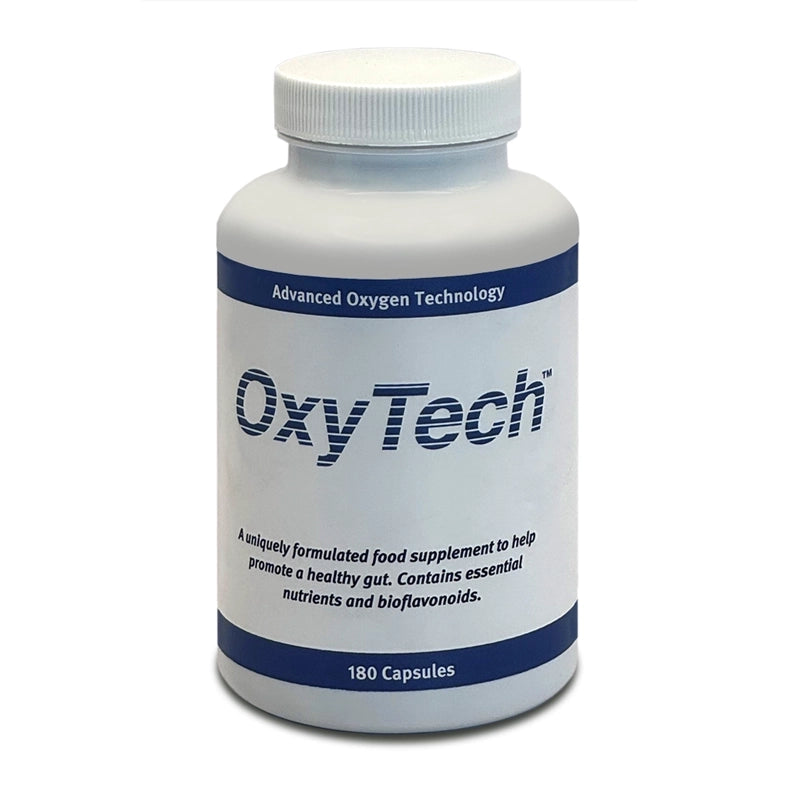
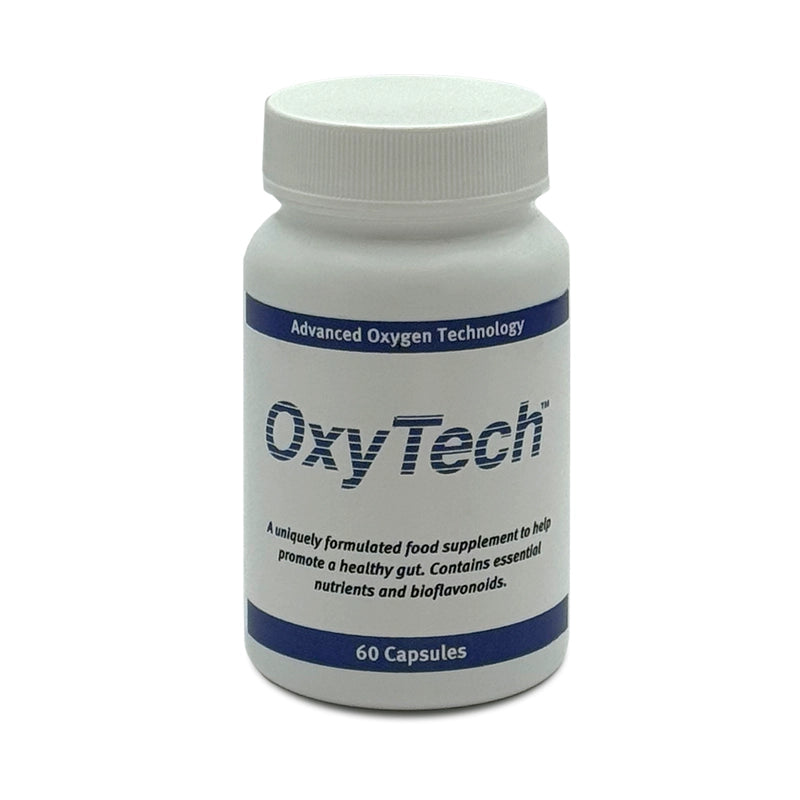
As a result, some individuals explore alternatives that focus on creating a healthier gut environment rather than simply stimulating bowel movement. One example is OxyTech, an oxygen-based colon cleanse supplement formulated to support a healthy gut environment as part of a balanced lifestyle.
Rather than relying on fibre bulking or stimulant action, OxyTech is designed to work gently within the digestive tract and is often chosen by people who want a more gradual and manageable approach. It contains magnesium as part of a broader formulation and is typically used alongside good hydration and dietary awareness.
Importantly, products like OxyTech are intended to complement, not replace, wider lifestyle measures or conventional medical advice. Individual response varies, and what feels comfortable and effective for one person may not suit another. The key is finding an approach that supports regularity without creating urgency or discomfort.
Final Thoughts: Choosing What’s Right for You
Magnesium hydroxide and magnesium citrate can both play a role in supporting bowel movement, but they are not interchangeable. The form of magnesium, how quickly it acts, and how the body responds all influence whether an option feels helpful or uncomfortable.
For those seeking a slower, more predictable approach, magnesium hydroxide is often preferred for occasional use. Magnesium citrate, on the other hand, is typically chosen when faster action is needed, though its intensity may not suit everyone. Sensitivity, hydration, overall health, and personal experience all matter when deciding between the two.
For individuals who find conventional magnesium laxatives too strong, or who are thinking more broadly about digestive support, gentler approaches that focus on the gut environment may be worth exploring. Whatever route is chosen, it is important to use supplements responsibly, stay well hydrated, and seek professional guidance if constipation is ongoing or difficult to manage.
Understanding how different forms of magnesium work allows you to make a more informed choice and supports a calmer, more sustainable approach to digestive health.